First VCR: The Birth of Video Recording Technology
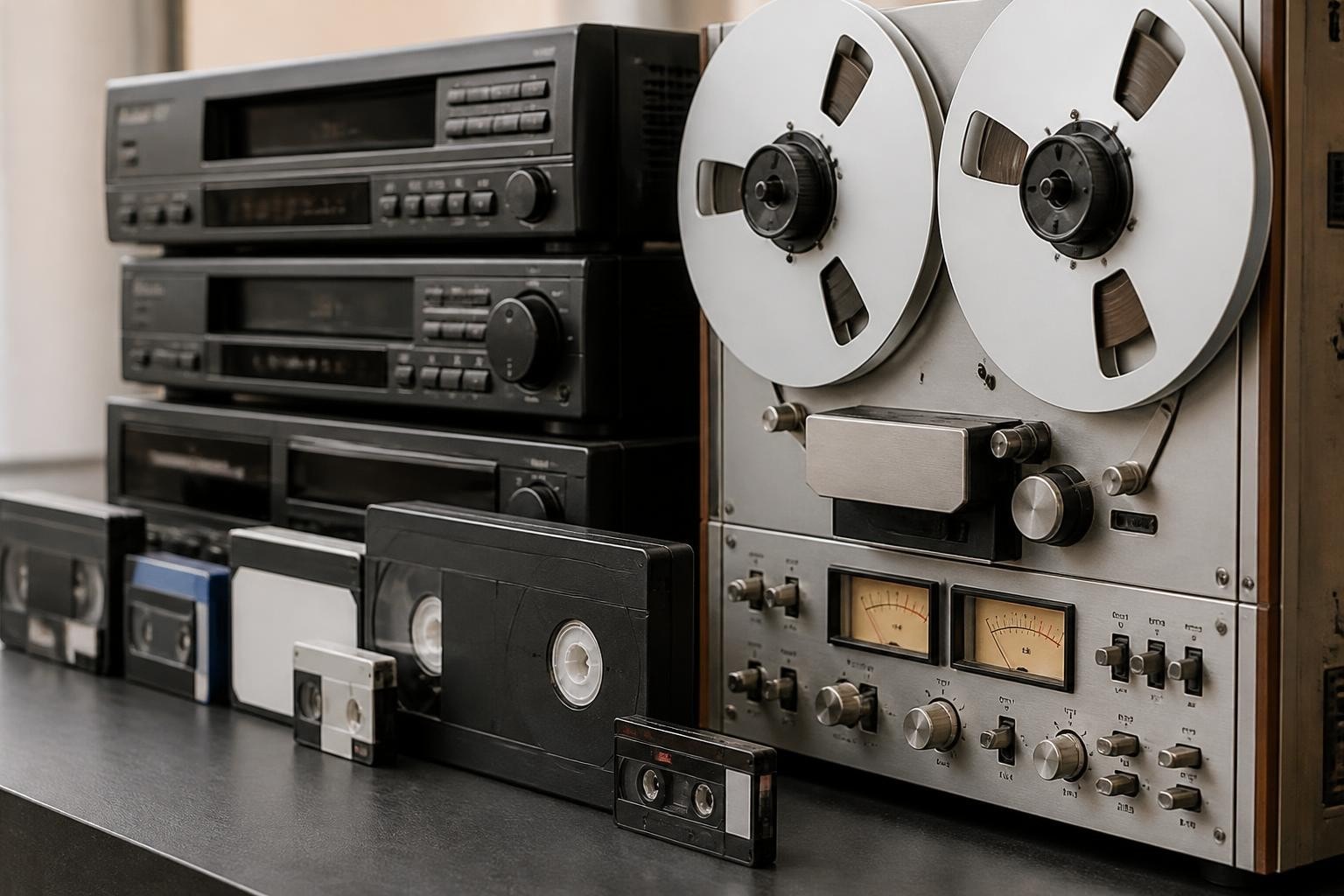
The history of video recording represents one of the most transformative technological achievements of the twentieth century. When we discuss the first vcr, we must distinguish between professional videotape recorders and consumer video cassette recorders, as these two categories emerged at different times with distinct purposes. The professional broadcast industry received the first practical videotape recorder in 1956, while consumers waited until the 1970s for affordable cassette-based systems. Understanding this evolution helps digitization professionals appreciate the legacy equipment they work with today and why certain formats remain essential for preservation work.
The Ampex VRX-1000: Broadcasting's Game Changer
Ampex Corporation unveiled the first commercially successful videotape recorder on April 14, 1956, at the National Association of Radio and Television Broadcasters convention in Chicago. The VRX-1000, later redesignated the Mark IV, used two-inch-wide magnetic tape and a rotating head system that revolutionized broadcast storage technology. This machine represented a quantum leap from kinescope film recordings, which were the only method available for time-delayed television broadcasts.
Technical Innovation Behind the First Professional VTR
The breakthrough came from solving a fundamental engineering problem. Recording video required capturing much higher frequencies than audio, demanding tape speeds that would have been impractical with stationary heads. Charles Ginsburg and his team at Ampex developed the quadruplex (or transverse) scanning system, where four recording heads mounted on a spinning drum wrote information across the width of the tape as it moved longitudinally.
Key specifications of the first vcr for broadcast use:
- Recording medium: 2-inch magnetic tape
- Head configuration: Four-head rotating assembly
- Writing speed: 1,500 inches per second (head-to-tape)
- Tape speed: 15 inches per second (longitudinal)
- Video bandwidth: 4 MHz for monochrome
- Unit cost: $50,000 (approximately $550,000 in 2026 dollars)
The detailed engineering history documented by Ampex shows how this system allowed practical video recording without requiring impossibly high tape speeds. Instead of running tape at hundreds of inches per second past a stationary head, the rotating heads achieved the necessary writing speed while the tape moved at a manageable pace.

From Broadcast Decks to Consumer Cassettes
The gap between professional and consumer video recording spanned nearly two decades. While broadcast studios adopted videotape immediately, the size, complexity, and cost of early machines made them unsuitable for home use. The evolution from open-reel to cassette formats required miniaturization, standardization, and dramatic cost reduction.
The U-Matic Transition
Sony introduced U-matic in 1971 as the first video cassette format, though it initially targeted institutional and industrial markets rather than consumers. This three-quarter-inch tape format enclosed the tape in a protective cassette, eliminating threading complexity and making operation accessible to non-technical users. U-matic decks found homes in schools, corporations, and video production houses, creating a bridge between professional and consumer applications.
Many digitization facilities still encounter U-matic tapes requiring professional playback equipment for transfer projects. The format's longevity in institutional settings means substantial archives remain on this medium, making working U-matic decks valuable for preservation work even fifty years after the format's introduction.
| Format | Introduction Year | Tape Width | Market Segment | Typical Application |
|---|---|---|---|---|
| Quadruplex | 1956 | 2 inches | Professional broadcast | Network television recording |
| U-matic | 1971 | ¾ inch | Industrial/institutional | Corporate video, education |
| Betamax | 1975 | ½ inch | Consumer | Home recording |
| VHS | 1976 | ½ inch | Consumer | Home recording |
Betamax: Sony's Consumer Entry
Sony launched Betamax in 1975, bringing videotape recording to the consumer market with the SL-6300 deck. This system used half-inch tape in a compact cassette and sold for under $2,000, making it the first vcr accessible to typical households. Betamax offered superior video quality compared to its competitor VHS, with better resolution and color reproduction, yet ultimately lost the format war due to recording-time limitations and licensing strategies.
The technical excellence of Betamax lives on in professional formats like Betacam SP, which remained an industry standard for broadcast production well into the digital era. Digitization specialists frequently work with Betamax tapes requiring properly maintained playback equipment to extract irreplaceable family memories and historical content.
The VHS Revolution and Format Standardization
JVC's Video Home System (VHS), introduced in 1976, became the dominant consumer format through a combination of longer recording times, aggressive licensing, and manufacturing partnerships. The first vcr using VHS technology, the Victor HR-3300, offered two-hour recording capacity-double Betamax's initial one-hour limit. This advantage proved decisive for consumers who wanted to record feature films and sporting events without tape changes.
Technical Architecture of VHS
VHS employed helical scan recording, where the tape wraps partially around a rotating drum containing two video heads. As the drum spins and the tape advances, the heads lay down diagonal tracks containing video and audio information. This approach differed from the quadruplex transverse scanning of the first professional videotape recorders but descended from the same fundamental rotating-head principle that made practical video recording possible.
VHS recording specifications:
- Standard tape speed: 33.35 mm/s (SP mode)
- Video heads: Two in 180-degree opposition
- Track angle: Approximately 5.96 degrees from horizontal
- Horizontal resolution: 240 lines (standard play)
- Audio tracks: Longitudinal edge tracks (standard models)
The broader context of VCR development and standardization involved complex patent negotiations and international agreements. These legal frameworks enabled manufacturers worldwide to produce compatible equipment, creating the ecosystem that made home video recording ubiquitous.

Professional Videotape Evolution Parallel to Consumer Formats
While consumers debated Betamax versus VHS, professional users required formats offering superior quality, reliability, and editing capabilities. The broadcast and production industries developed their own progression of videotape standards, many of which digitization facilities still support today.
S-VHS and Enhanced Consumer Formats
Super VHS, introduced in 1987, doubled the horizontal resolution of standard VHS to approximately 400 lines by using higher-quality tape formulation and modified recording electronics. This improvement made S-VHS suitable for prosumer video production and created an intermediate tier between consumer and professional equipment. Many training videos, wedding recordings, and small-scale productions from the late 1980s and 1990s exist on S-VHS tapes requiring specialized playback equipment for proper digitization.
Component and Digital Formats
The evolution continued with component recording systems like Betacam SP (1986) and digital formats including MiniDV (1995) and Digital8 (1999). Each generation addressed specific limitations in previous technologies:
- Betacam SP: Component recording separated luminance and chrominance signals for superior color quality and editing stability
- MiniDV: Digital recording eliminated generation loss and tape degradation while reducing deck size
- Digital8: Applied DV codec to Hi8-sized cassettes, offering digital quality with compact media
Digitization professionals regularly encounter all these formats in archival and preservation work. The technical specifications documented by preservation organizations provide essential guidance for properly transferring content from aging tapes before magnetic degradation makes recovery impossible.
Engineering Principles That Enabled the First VCR
Understanding what made the first vcr possible requires examining the core technologies that overcame fundamental physical limitations. Magnetic recording of video presented challenges an order of magnitude more difficult than audio recording due to the much higher frequencies involved in video signals.
The Rotating Head Solution
Stationary-head video recording would have required tape speeds exceeding 200 inches per second to capture the necessary bandwidth. Such speeds would consume enormous amounts of tape, create mechanical stress leading to rapid wear, and make editing virtually impossible. The rotating head assembly solved this by creating high relative head-to-tape velocity while maintaining moderate tape transport speeds.
The IEEE retrospective on VCR origins details how different companies explored alternative approaches-including rotating heads, multiple stationary heads, and even approaches that didn't use tape at all-before Ampex's quadruplex system demonstrated clear superiority for broadcast applications.
Magnetic Tape Formulation Advances
Early magnetic tape development focused on audio recording, using relatively thick coatings of magnetic particles. Video recording demanded thinner, more uniform coatings with higher coercivity to capture short-wavelength signals. Tape manufacturers continually improved formulations, progressing from gamma ferric oxide to cobalt-doped particles and eventually metal particle and metal evaporated tapes in professional formats.
These improvements directly impacted what digitization facilities can recover from aging tapes today. Higher-quality tape formulations have proven more stable over decades, while economy-grade tapes from the 1980s often suffer from binder hydrolysis and magnetic particle shedding that complicate playback.
Maintenance and Preservation of Historic VCR Technology
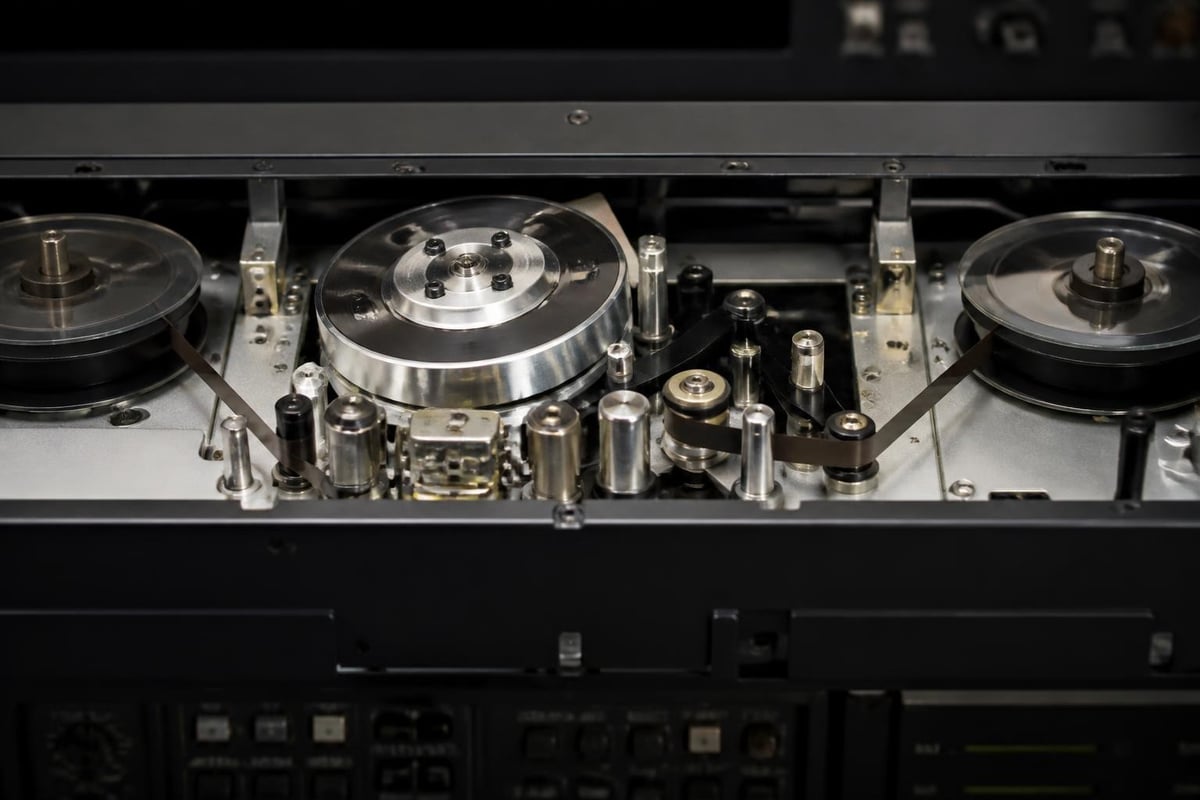
The equipment that represents the first vcr era and its descendants now requires specialized maintenance to remain operational. As manufacturers discontinued production of videotape decks, the supply of replacement parts and qualified technicians has diminished, making proper maintenance essential for facilities that depend on these machines.
Common Failure Modes in Aging Decks
Professional videotape decks contain numerous mechanical and electronic components subject to wear and degradation:
- Head drum assemblies: Upper drums wear unevenly, video heads accumulate deposits, and bearings develop play
- Drive belts: Rubber compounds harden and lose elasticity, causing speed instabilities
- Capacitors: Electrolytic capacitors dry out after decades, affecting power supplies and signal processing
- Mechanical alignments: Tape guide positions drift as mounting hardware loosens
Regular preventive maintenance and professional repair services extend equipment life and ensure reliable playback for critical transfers. Facilities engaged in digitization work must choose between maintaining their own equipment inventory or partnering with suppliers who can provide properly serviced decks when needed.
Rental Versus Ownership for Digitization Work
The declining reliability of aging videotape equipment has shifted the economics for many digitization facilities. Rather than maintaining extensive equipment inventories that sit idle between projects, many operators now utilize rental services for specific format requirements. This approach provides access to professionally maintained equipment without the burden of keeping rarely-used decks in working order.
| Consideration | Equipment Ownership | Equipment Rental |
|---|---|---|
| Upfront cost | High capital investment | Low initial cost |
| Maintenance responsibility | In-house or contracted | Included in rental |
| Format flexibility | Limited to owned equipment | Access to multiple formats |
| Utilization efficiency | Poor for occasional formats | Pay only when needed |
| Emergency backup | Requires spare units | Alternative units available |
Format-Specific Considerations for Professional Digitization
Different videotape formats present unique challenges when digitizing content, and understanding the characteristics inherited from the first vcr technologies helps troubleshoot playback issues. Each format's recording method, tape composition, and mechanical design creates specific failure patterns that experienced technicians recognize.
Tracking and Alignment Sensitivities
Consumer formats like VHS and Betamax used automatic tracking systems that adjusted head position to follow tracks recorded by other machines. However, tapes recorded on poorly aligned decks or degraded tapes with dimensional instability may play back poorly even on well-maintained equipment. Professional formats like Betacam used more precise mechanical tolerances and manual tracking adjustments, allowing better recovery from marginal tapes but requiring greater operator skill.
Time-Base Correction Requirements
Early consumer VCRs produced video with significant timing instabilities unsuitable for professional applications. Time-base correctors became essential for using consumer-format video in broadcast environments, and digitization work benefits from similar technology when transferring unstable source material. Modern capture cards incorporate digital time-base correction, but severely unstable signals may still produce artifacts requiring careful deck adjustment and tape cleaning.
Audio Format Variations
The first vcr systems recorded audio using simple longitudinal tracks along the tape edges, but later formats added sophisticated audio options:
- Hi-Fi audio: Frequency-modulated audio recorded in the same helical tracks as video, providing wide dynamic range
- Linear stereo: Improved edge tracks with noise reduction
- PCM digital audio: Digital audio recording in video track areas (professional formats)
Proper digitization requires understanding which audio systems the source tape uses and configuring playback equipment and capture settings appropriately. Professional VCR repair services verify that all audio and video systems function correctly before equipment enters service for critical transfers.
The Legacy of the First VCR in Modern Digitization
Seven decades after the first commercially viable videotape recorder transformed broadcasting, the industry faces the challenge of preserving content recorded across multiple generations of obsolete formats. The equipment designed in the analog era remains essential for accessing this content, creating specialized demand for maintenance, repair, and rental services that keep historic decks operational.
The Digitization Imperative
Magnetic tape degradation creates urgency around digitization projects. Binder hydrolysis affects tapes stored in humid conditions, causing the magnetic coating to become sticky and shed from the base film. Even properly stored tapes experience gradual magnetic signal decay over decades. The window for recovering content from tapes recorded in the 1970s through 1990s continues to narrow, making access to reliable playback equipment critical.
Facilities specializing in tape transfer must maintain or access equipment spanning multiple format families. A single archive might contain:
- Broadcast masters on various professional formats
- Industrial and educational content on U-matic
- Consumer recordings on Betamax, VHS, and Video8
- Prosumer productions on S-VHS and Hi8
- Digital consumer formats like MiniDV and Digital8
Supporting this range requires either substantial equipment inventory or relationships with specialized rental providers who maintain decks across format generations.
Quality Standards for Archival Transfer
Professional digitization goes beyond simply capturing whatever signal a deck produces. Proper workflow includes:
- Tape assessment: Inspecting physical condition before playback
- Deck preparation: Cleaning heads, verifying alignments, optimizing tracking
- Signal optimization: Adjusting deck controls for best signal quality
- Format-appropriate capture: Using settings matched to source characteristics
- Quality verification: Confirming successful transfer without dropouts or artifacts
These steps require not just functioning equipment but properly maintained decks with verified specifications. The difference between a marginal deck and an optimally adjusted machine can mean the difference between successful recovery and permanent content loss on fragile tapes.
Equipment Sourcing Strategies for Digitization Businesses
As the videotape era recedes further into history, businesses built around digitization services must make strategic decisions about equipment acquisition and maintenance. The supply of working decks continues to shrink while demand for transfers persists from consumers, archivists, and institutions seeking to preserve analog content.
Building an Equipment Inventory
Facilities committed to long-term digitization operations face decisions about which formats to support internally and which to outsource or rent. High-volume formats like VHS and MiniDV may justify ownership of multiple backup units, while rare formats like Betacam SP or U-matic might be better served through rental arrangements for occasional projects.
Purchasing decisions must account for:
- Availability: Broadcast-quality decks are increasingly scarce
- Condition: Used equipment requires thorough evaluation and often immediate service
- Parts support: Many models have exhausted replacement part supplies
- Technical documentation: Service manuals and alignment procedures are essential
- Operator expertise: Professional formats require trained personnel
The Rental Alternative
Equipment rental provides flexibility for facilities handling varied format mixes without maintaining large inventories. Starting at accessible monthly rates, rental arrangements shift maintenance responsibility to the supplier and provide access to backup units when primary equipment fails. This model works particularly well for:
- Startup operations building client bases
- Facilities handling sporadic demand for specific formats
- Businesses wanting to minimize capital investment
- Operations requiring backup units for critical projects
Technical Support Infrastructure for Legacy Equipment
The ecosystem supporting videotape equipment has contracted dramatically as manufacturers discontinued products and technicians retired. Facilities depending on these machines must cultivate relationships with the remaining service providers or develop in-house expertise for routine maintenance.
Diagnostic and Repair Capabilities
Professional video equipment repair requires specialized knowledge combining mechanical, electronic, and signal-processing expertise. Proper diagnosis identifies whether problems originate in tape path mechanics, head assemblies, servo systems, or signal electronics. Many issues require oscilloscopes and specialized test equipment to isolate.
Facilities choosing to maintain their own equipment must invest in test equipment, technical documentation, and training. Alternatively, working with specialized repair services provides access to experienced technicians with proper diagnostic tools and parts inventories. Initial diagnostic fees typically cover evaluation time, with repair costs depending on parts and labor requirements.
Preventive Maintenance Programs
Regular maintenance prevents failures during critical projects and extends equipment life. Comprehensive programs include:
- Head cleaning and inspection on regular schedules
- Belt replacement at specified intervals
- Capacitor replacement in aging power supplies
- Mechanical alignment verification
- Performance testing with calibrated signals
Facilities processing significant tape volumes benefit from maintenance contracts that provide scheduled service and priority support when issues arise. These programs reduce unexpected downtime and ensure equipment remains within specification for quality transfers.
The evolution from the first vcr through generations of professional and consumer formats created the rich video heritage now requiring urgent preservation. Understanding this history helps digitization professionals appreciate the equipment they work with and the importance of maintaining these machines while they remain operational. Whether your facility handles occasional tape transfers or runs high-volume digitization operations, access to properly maintained playback equipment is essential for recovering irreplaceable content from aging magnetic media. VCR Supply supports digitization facilities with professional videotape deck rentals starting at $99 monthly, expert repair services with $45 diagnostic fees, and maintenance contracts designed to minimize equipment downtime and ensure reliable performance for your critical preservation projects.