Rent VHS Decks for Professional Digitization Projects
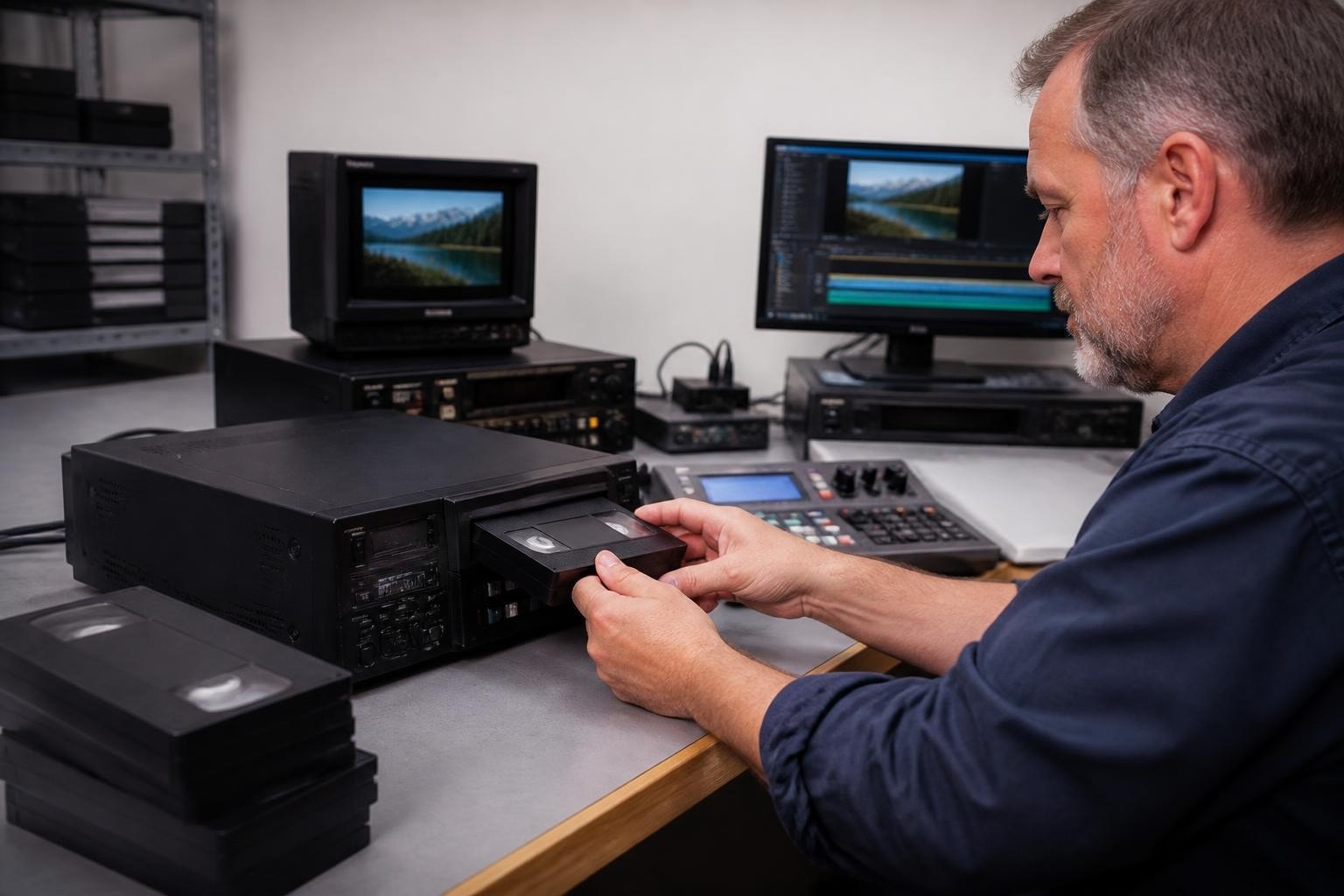
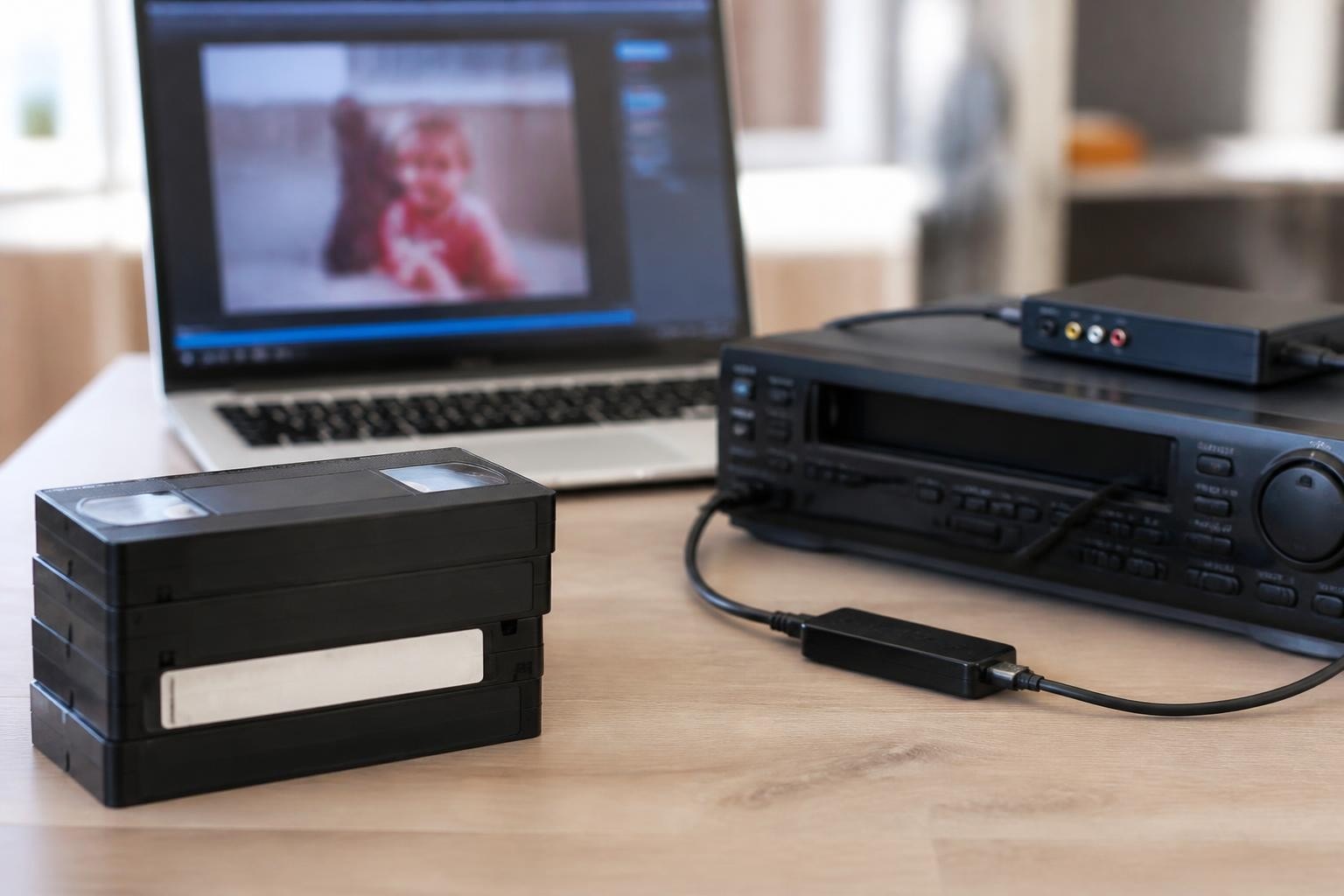
The videotape preservation industry continues to rely on functional playback equipment even as consumer VHS machines disappear from retail shelves. For digitization shops, archives, and media preservation studios handling client collections throughout 2026, the decision to rent VHS equipment rather than purchase aging technology has become a strategic business choice. Professional-grade decks deliver the signal quality and reliability required for archival digitization, yet the declining availability of replacement parts and technicians makes outright ownership increasingly risky. Rental models provide access to maintained equipment, technical support, and format flexibility without the long-term liability of obsolete hardware.
The Business Case for VHS Deck Rentals
Digitization businesses face unique challenges when building their equipment inventory. Consumer VHS players lack the broadcast-quality outputs, time-base correction, and manual tracking controls necessary for professional work. Purchasing professional S-VHS or broadcast VHS decks represents significant capital investment in equipment that may require specialized repair services within months of acquisition.
Rental arrangements solve multiple operational problems simultaneously:
- Capital preservation: Monthly rental fees preserve working capital for marketing, staffing, and facility costs rather than tying up cash in depreciating hardware
- Maintenance coverage: Rental agreements typically include repair services or equipment replacement when failures occur
- Format scalability: Projects requiring multiple tape formats can add specialized decks temporarily without permanent inventory expansion
- Technology obsolescence protection: When equipment becomes unrepairable, rental providers absorb the replacement cost
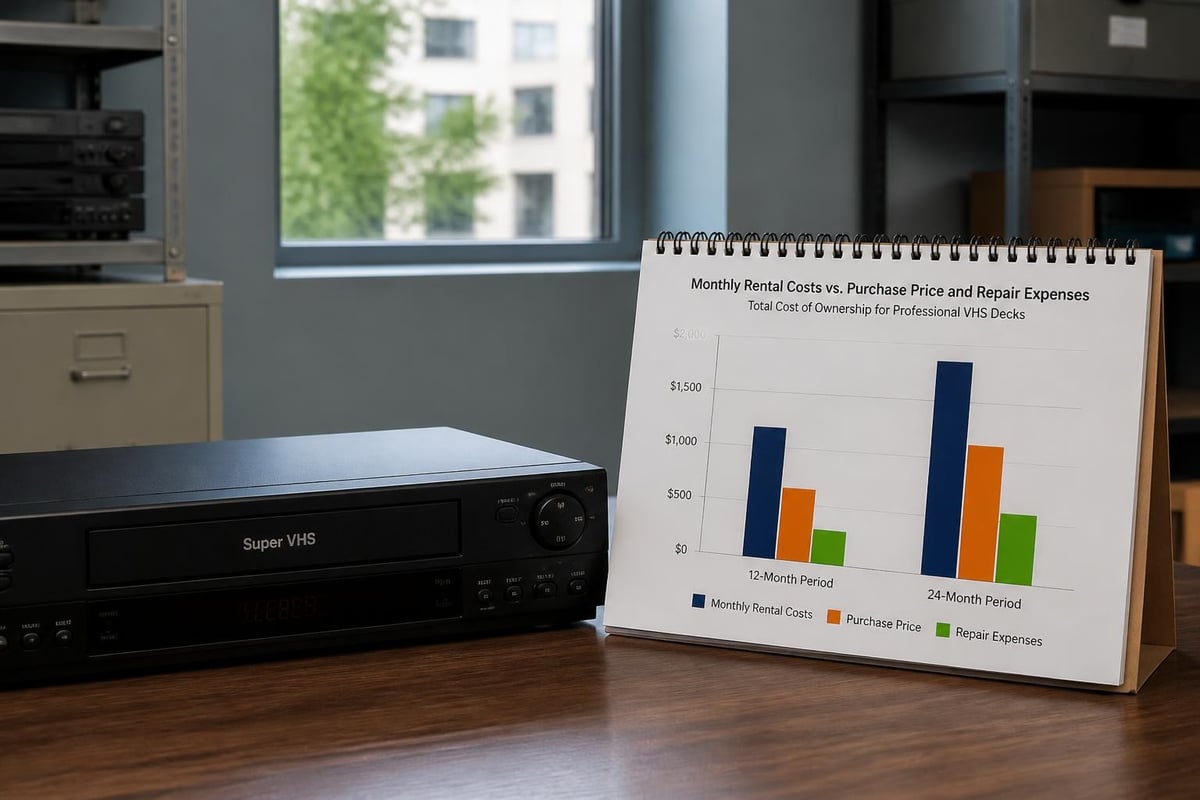
The economics favor rental particularly for shops processing variable volumes. A studio handling 50 VHS tapes one month and 300 the next can scale equipment availability to match demand. When you rent VHS decks on flexible terms, capacity adjusts without the fixed costs of owned equipment sitting idle between projects.
Equipment Quality and Reliability Standards
Professional digitization requires equipment that meets archival capture standards. The Federal Agencies Digital Guidelines Initiative provides detailed specifications for significant properties that must be preserved when converting analog video to digital formats. These technical requirements eliminate consumer-grade VCRs from consideration for serious preservation work.
When digitization shops rent VHS equipment, they should verify that rental inventory includes:
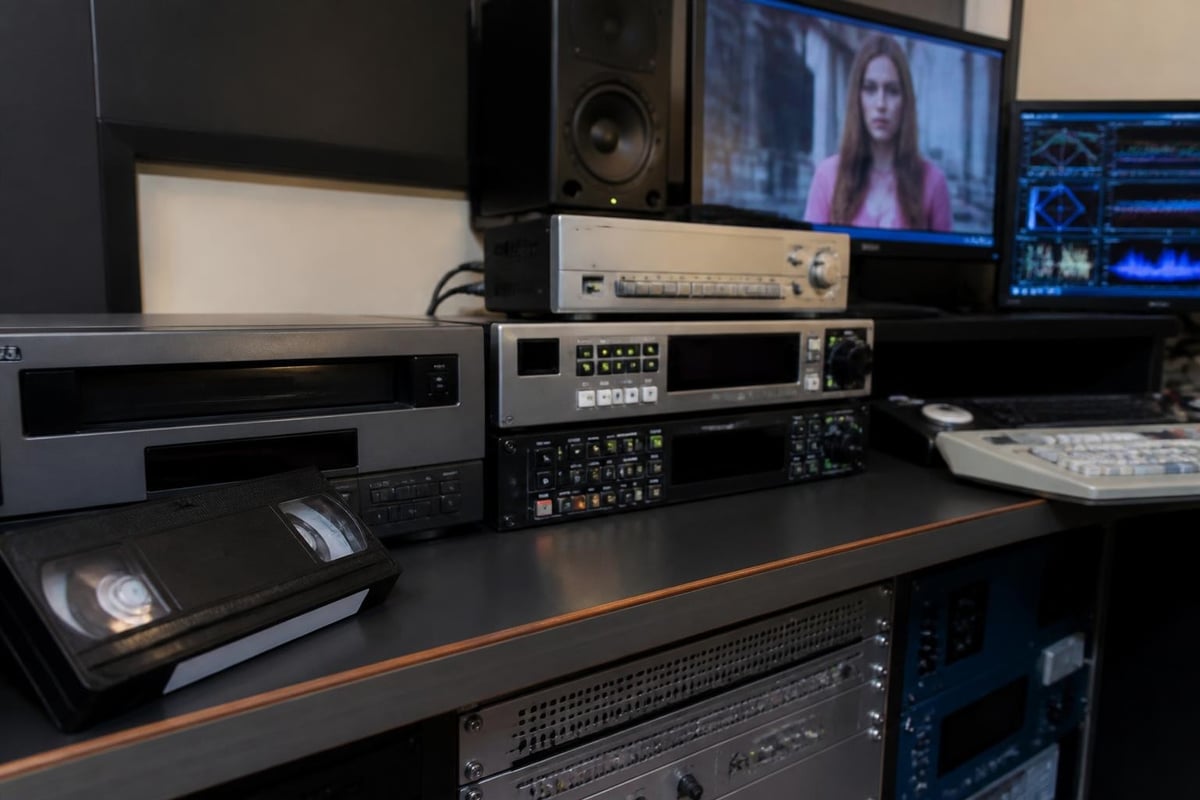
- Time-base correctors (TBC) to stabilize playback signals from aging tapes
- Manual tracking controls for tapes with tracking errors or non-standard recordings
- Professional outputs including component video, S-video, and balanced audio connections
- Variable playback speed for inspection and quality control review
- Frame-accurate shuttling for identifying content boundaries and damage
The S-VHS format particularly demands professional-grade playback equipment because consumer machines often cannot properly reproduce the format's higher resolution and broader luminance bandwidth. Studios working with broadcast archives or high-value personal recordings cannot compromise on playback quality.
Format Compatibility and Multi-Format Operations
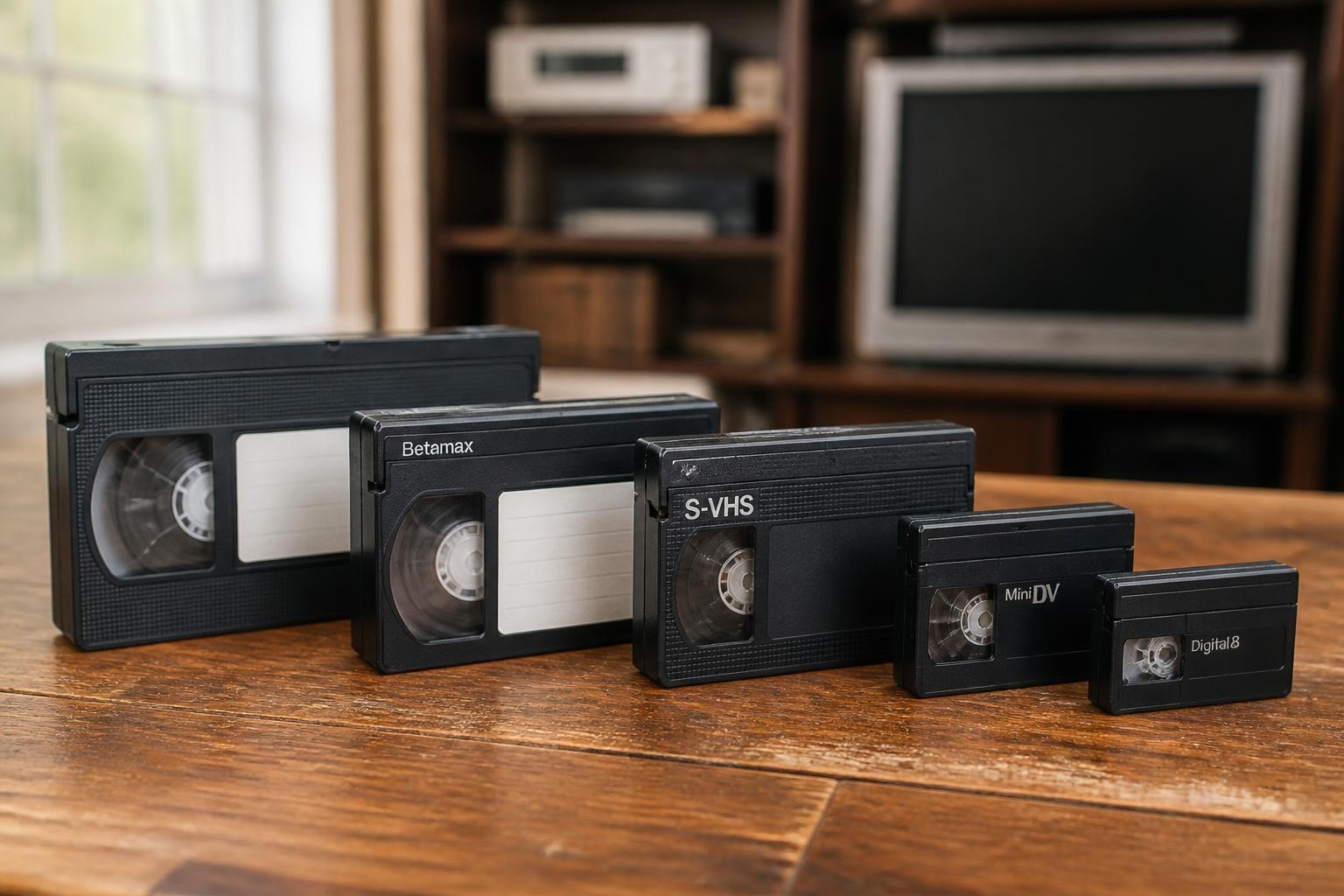
Archives and digitization services rarely encounter only one videotape format. Client collections typically include VHS alongside Hi8, MiniDV, Digital8, Betamax, and professional formats like Betacam SP. The challenge of maintaining playback capability across multiple formats makes rental arrangements particularly attractive.
| Format | Typical Deck Lifespan | Parts Availability | Rental Advantage |
|---|---|---|---|
| VHS/S-VHS | 15-25 years | Limited, declining | High - avoid ownership risk |
| MiniDV | 10-20 years | Very limited | Critical - specialized repairs scarce |
| Digital8 | 10-15 years | Extremely limited | Essential - combination format playback |
| Betamax | 20-30 years | Nearly none | Maximum - irreplaceable when broken |
Studios can rent MiniDV deck equipment for specific projects requiring that format while maintaining VHS format capability as their baseline service. This approach avoids inventory investment in formats that appear infrequently while ensuring capability when client needs demand it.
Managing Tape Degradation Challenges
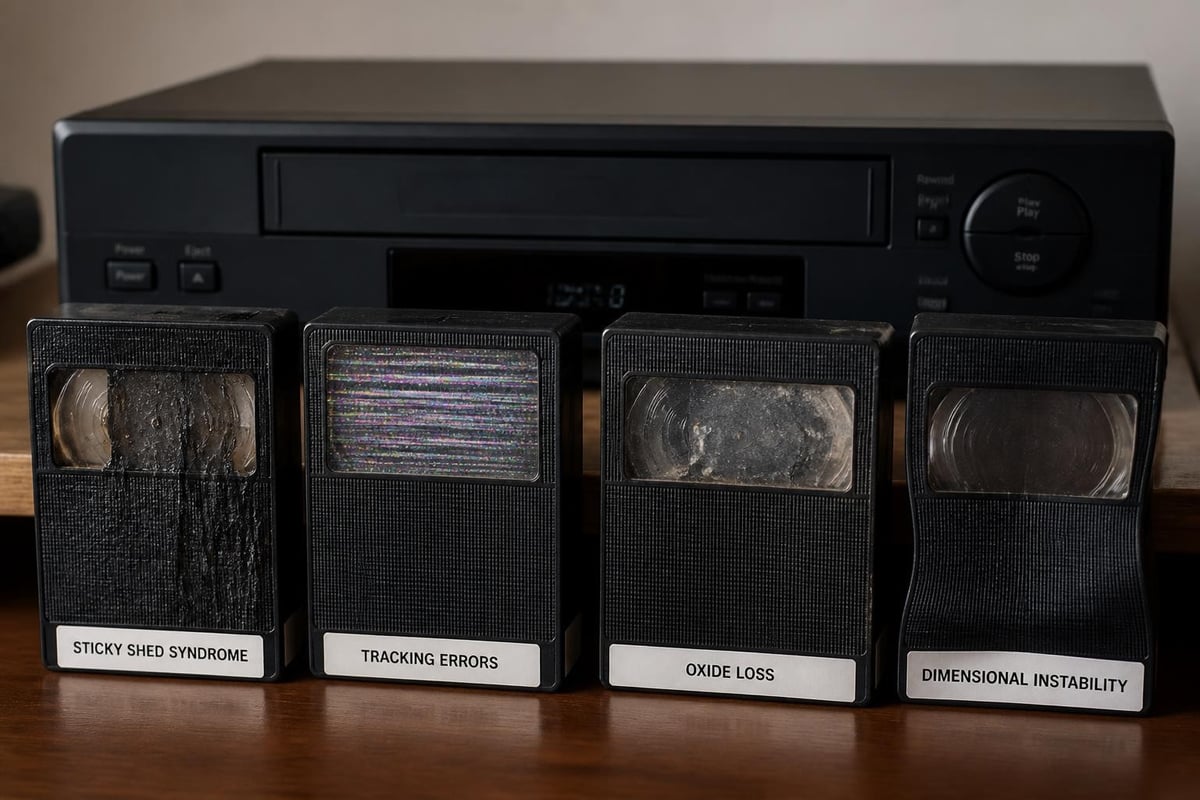
VHS tapes deteriorate over time, creating playback challenges that require professional equipment to overcome. Rental decks maintained by experienced technicians deliver better results with problematic tapes than consumer machines or poorly maintained professional equipment.
Common VHS tape problems requiring professional playback equipment include:
- Oxide shedding and sticky tape syndrome requiring specialized cleaning protocols
- Tracking errors from dimensional instability in aging cassette shells
- Dropouts and signal loss from magnetic particle degradation
- Speed variations from take-up reel tension problems
- Audio desynchronization from stretching or previous poor-quality playback
The NARA guidance on video storage and handling emphasizes proper playback equipment as critical to preservation outcomes. When digitization shops rent VHS decks that receive regular maintenance, they minimize the risk of equipment-induced damage to irreplaceable client materials.
Rental Terms and Service Agreements
Professional equipment rental for digitization operations differs substantially from consumer rental models. Businesses require predictable monthly costs, rapid replacement when equipment fails, and technical support from providers who understand preservation workflows.
Key contract terms to evaluate when choosing VHS rental providers:
- Monthly rental rates: Typical professional deck rentals range from $99 to $299 monthly depending on format and features
- Minimum rental periods: Most providers require 3-month to 12-month minimum commitments with monthly renewal options afterward
- Maintenance and repair coverage: Clarify whether routine maintenance, cleaning, and failure repairs are included or billed separately
- Equipment replacement timing: Understand response time when rented equipment fails and whether backup units are available
- Insurance and liability: Determine responsibility for equipment damage, theft, and client tape damage during playback
The VCR repair service infrastructure has contracted significantly since 2020, making maintenance coverage particularly valuable. A rental agreement that includes repair services protects against both the direct cost of repairs and the business interruption cost of equipment downtime.
Maintenance Contracts and Uptime Guarantees
Digitization shops operating on project deadlines cannot tolerate extended equipment downtime. When client deliverables depend on functional playback equipment, rental agreements should address reliability and support response times.
Professional rental providers offering VCR maintenance services typically structure agreements around:
- Preventive maintenance schedules: Quarterly or semi-annual cleaning, head replacement, and calibration
- Priority repair response: 24-48 hour diagnosis and repair initiation for rental equipment failures
- Loaner equipment: Temporary replacement units provided while primary rentals undergo repair
- Parts inventory: Pre-positioned components for common failure modes to minimize repair delays
- Remote technical support: Phone or video consultation for troubleshooting and optimization
These service elements transform equipment rental from a simple transaction into an operational partnership. Studios can focus on client service and project execution rather than equipment maintenance and repair coordination.
Integration with Digitization Workflows
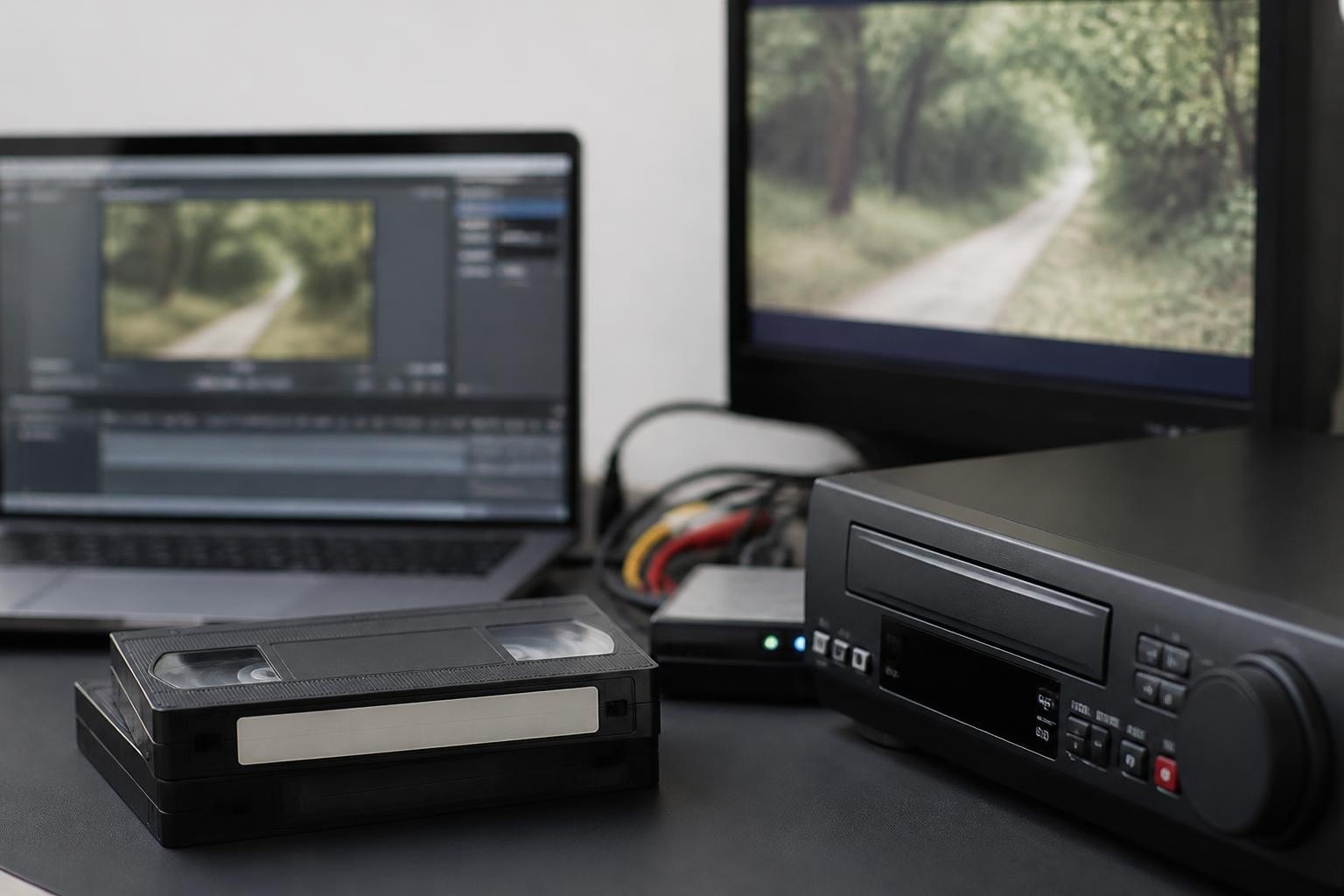
When you rent VHS playback equipment, integration with existing capture infrastructure determines operational efficiency. Professional decks must connect reliably to analog-to-digital converters, video processing equipment, and digital storage systems while maintaining signal quality throughout the chain.
Workflow considerations for rental VHS equipment:
- Signal routing flexibility: Professional decks with multiple output types (composite, S-video, component) accommodate various capture device inputs
- Audio configuration: Separate stereo audio outputs enable independent audio processing and monitoring
- Control interfaces: RS-422 or serial control connections allow automated capture systems to control playback remotely
- Rack mounting: Standard 19-inch rack-mount equipment integrates with existing studio infrastructure more easily than tabletop units
- Power requirements: Verify electrical specifications match facility capacity, particularly for older equipment with high power consumption
The Society of Motion Picture and Television Engineers maintains technical specifications that define signal standards and interconnection practices for professional video equipment. Rental equipment should conform to these standards to ensure compatibility with professional digitization systems.
Quality Control and Archival Standards Compliance
Institutional archives and commercial digitization shops increasingly must demonstrate compliance with preservation standards when delivering digitized collections. The Library of Congress preservation specifications establish benchmarks for capture quality, metadata creation, and file format selection.
Rental VHS equipment must support these quality requirements through:
| Quality Factor | Equipment Requirement | Verification Method |
|---|---|---|
| Signal-to-noise ratio | >46 dB for S-VHS, >42 dB for VHS | Waveform monitor measurement |
| Horizontal resolution | >400 lines for S-VHS, >240 lines for VHS | Test pattern capture |
| Time-base stability | <5 microseconds error | Vectorscope display stability |
| Audio frequency response | 20Hz-20kHz ±3dB | Audio spectrum analyzer |
| Dropout compensation | <10 dropouts per minute | Automated detection software |
Professional rental providers should be able to supply equipment calibration documentation and performance verification reports. This documentation becomes part of the provenance chain demonstrating that digitization work met professional standards.
Alternative Equipment Access Models
Beyond traditional monthly rental agreements, digitization businesses have several alternative approaches to accessing VHS playback equipment. Each model offers distinct advantages depending on project volume, budget constraints, and long-term business strategy.
Short-Term Project Rentals
Studios handling occasional VHS digitization projects may find short-term rentals more economical than monthly commitments. Week-long or project-based rentals allow shops to:
- Accept specialized VHS projects without maintaining permanent inventory
- Test equipment before committing to longer rental periods
- Handle seasonal volume fluctuations in tape format distribution
- Provide services for formats outside core competencies
However, short-term rental rates typically cost 30-50% more on a monthly-equivalent basis compared to annual agreements. The flexibility premium makes sense only for truly intermittent VHS work.
Purchase with Maintenance Contracts
Some digitization operations prefer equipment ownership combined with service agreements that provide repair and maintenance support. This hybrid approach offers:
- Asset ownership: Equipment appears on balance sheets and provides collateral value
- Depreciation benefits: Capital equipment purchases generate tax advantages for some business structures
- Unlimited usage: No per-project or volume-based rental fees
- Customization freedom: Owned equipment can be modified or upgraded as needed
The risk remains that when equipment becomes unrepairable, the business absorbs the full replacement cost. Given declining parts availability for VHS and related formats, this risk increases yearly throughout 2026 and beyond.
Equipment Sharing and Cooperative Models
Regional digitization networks and archive consortia sometimes establish equipment pools where multiple organizations share rental costs and access. These cooperative arrangements work best when:
- Geographic proximity allows practical equipment transport between facilities
- Scheduling coordination prevents conflicts during peak demand periods
- Technical standardization ensures all participants can operate shared equipment effectively
- Maintenance cost sharing distributes repair expenses equitably across members
The recent resurgence of community video initiatives demonstrates renewed interest in collaborative media preservation models. Equipment cooperatives extend this community approach to professional digitization infrastructure.
Environmental and End-of-Life Considerations
The videotape equipment industry faces significant sustainability challenges as functional machines become scarce and unrepairable units accumulate. When digitization businesses rent VHS equipment, environmental responsibility extends beyond the rental relationship to end-of-life disposal considerations.
Electronic waste management for videotape equipment involves:
- Identifying components containing hazardous materials like lead solder and cadmium plating
- Locating certified e-waste recyclers capable of handling complex electronic assemblies
- Salvaging reusable components like motors, power supplies, and mechanical parts
- Documenting disposal in accordance with local environmental regulations
The EPA guidance on electronics disposal addresses VCRs and videotape players specifically. Rental agreements should clarify responsibility for environmental compliance when equipment reaches end-of-life status.
Parts Harvesting and Equipment Cannibalization
As VHS deck manufacturing ceased years ago, the remaining equipment pool becomes increasingly precious. Professional rental providers often maintain non-functional units specifically as parts donors to keep working inventory operational.
This parts harvesting approach raises interesting questions about equipment rental sustainability:
- How long can the existing equipment pool remain viable through cannibalization and repair?
- At what point does parts scarcity make certain formats effectively unplayable?
- Should digitization priorities shift toward formats with the shortest remaining equipment viability windows?
These strategic questions affect how digitization shops allocate resources and market their services. Businesses that rent VHS equipment rather than own it delegate these long-term sustainability concerns to rental providers with greater scale and parts inventory.
Technical Support and Knowledge Transfer
One of the most valuable yet underappreciated aspects of professional equipment rental involves access to technical expertise. As the generation of technicians who repaired VCRs professionally retires, institutional knowledge about optimal playback settings, troubleshooting techniques, and format-specific quirks disappears.
Professional rental relationships should include knowledge transfer through:
- Equipment operation training covering advanced features and optimal settings
- Troubleshooting guidance for common tape and playback problems
- Format-specific best practices for different VHS variants and recording standards
- Documentation of successful approaches to challenging playback scenarios
- Access to technical resources and reference materials
When digitization technicians understand equipment capabilities deeply, they achieve better results with difficult tapes and can make informed decisions about when specialized equipment or techniques might rescue failing source material.
Training Resources and Professional Development
The NARA reformatting guidance emphasizes that equipment alone does not ensure quality digitization outcomes. Operator skill, format knowledge, and quality control discipline determine whether preserved content meets archival standards.
Rental providers who invest in customer training and technical documentation add substantial value beyond simple equipment access. This educational component becomes particularly important as formal training programs for analog video technology disappear from technical schools and the available workforce ages.
Cost Management and Budget Planning
Digitization businesses evaluating whether to rent VHS equipment must project costs across realistic time horizons that account for equipment reliability trends, parts availability decline, and project volume variability.
Monthly cost comparison framework:
| Cost Category | Rental Model | Purchase Model |
|---|---|---|
| Initial outlay | First month rental ($99-299) | Purchase price ($800-3,500) |
| Monthly ongoing | Rental fee ($99-299) | Maintenance reserve ($50-150) |
| Repair events | Included or fixed fee | Variable ($150-800 per incident) |
| Equipment replacement | Provider responsibility | Full replacement cost |
| Obsolescence risk | Minimal - provider absorbs | Complete - owner absorbs |
Over 24 months, rental costs typically total $2,400-$7,200 while ownership costs including purchase, maintenance, and likely repairs range from $2,000-$6,000. However, ownership costs accelerate in years three through five as parts become scarcer and major component failures occur more frequently.
Volume-Based Decision Points
The rent-versus-buy decision shifts at different project volume levels. Studios processing fewer than 100 VHS tapes monthly generally find rental arrangements more economical when accounting for equipment risk and maintenance complexity. High-volume operations exceeding 500 tapes monthly may justify ownership despite risks, particularly if they can negotiate professional maintenance contracts that limit repair cost exposure.
Mid-volume operations between these extremes face the most complex decisions. The optimal approach often involves:
- Renting primary playback equipment to minimize capital investment and risk
- Purchasing backup consumer-grade equipment for preview and quality control
- Establishing relationships with rental providers for format-specific equipment as needed
- Planning equipment refresh cycles that assume 18-24 month useful rental life
These hybrid strategies balance cost control with operational reliability and risk management.
Regional Availability and Logistics
Equipment rental markets vary significantly by geography, affecting both availability and pricing. Digitization businesses in major metropolitan areas typically access multiple rental providers with competitive pricing and rapid delivery. Rural and small-market operations face limited choices and higher logistics costs.
Geographic factors influencing VHS rental decisions:
- Shipping costs and timing: Cross-country equipment shipment adds 15-25% to effective monthly rental costs and requires 3-5 day lead times
- Local pickup options: Direct pickup eliminates shipping expense and enables same-day equipment access
- Regional technical support: Local providers can dispatch technicians for on-site service while distant providers require equipment return for repair
- Sales tax implications: Equipment rental tax treatment varies by state and can add 6-10% to monthly costs
Studios should evaluate total delivered cost rather than base rental rates when comparing providers. A slightly higher monthly rate from a local provider often proves more economical than distant providers once shipping, tax, and support access are factored.
Insurance and Liability Considerations
Rental equipment represents both an asset risk and a liability exposure for digitization businesses. Comprehensive insurance coverage should address:
- Equipment damage or theft: Rental agreements typically require renters to maintain insurance covering replacement value
- Client tape damage: Professional liability coverage protects against claims from tapes damaged during playback
- Business interruption: Coverage for revenue loss when equipment failures prevent project completion
- Professional errors and omissions: Protection against claims that digitization work failed to meet professional standards
Insurance requirements add 5-8% to total equipment costs but provide essential protection against concentrated risk. Rental agreements should clearly specify insurance obligations and coverage limits to prevent disputes.
Professional videotape digitization depends on reliable access to specialized playback equipment whose availability continues declining throughout 2026. The strategic decision to rent VHS equipment rather than purchase aging technology protects digitization businesses from obsolescence risk, maintenance complexity, and capital inefficiency while ensuring consistent service delivery capability. Whether your operation handles occasional archival projects or runs continuous production workflows, VCR Supply provides professional-grade equipment rentals starting at $99 monthly, comprehensive repair services with transparent diagnostics, and maintenance contracts designed to minimize downtime and maximize the productive lifespan of increasingly scarce videotape playback technology.