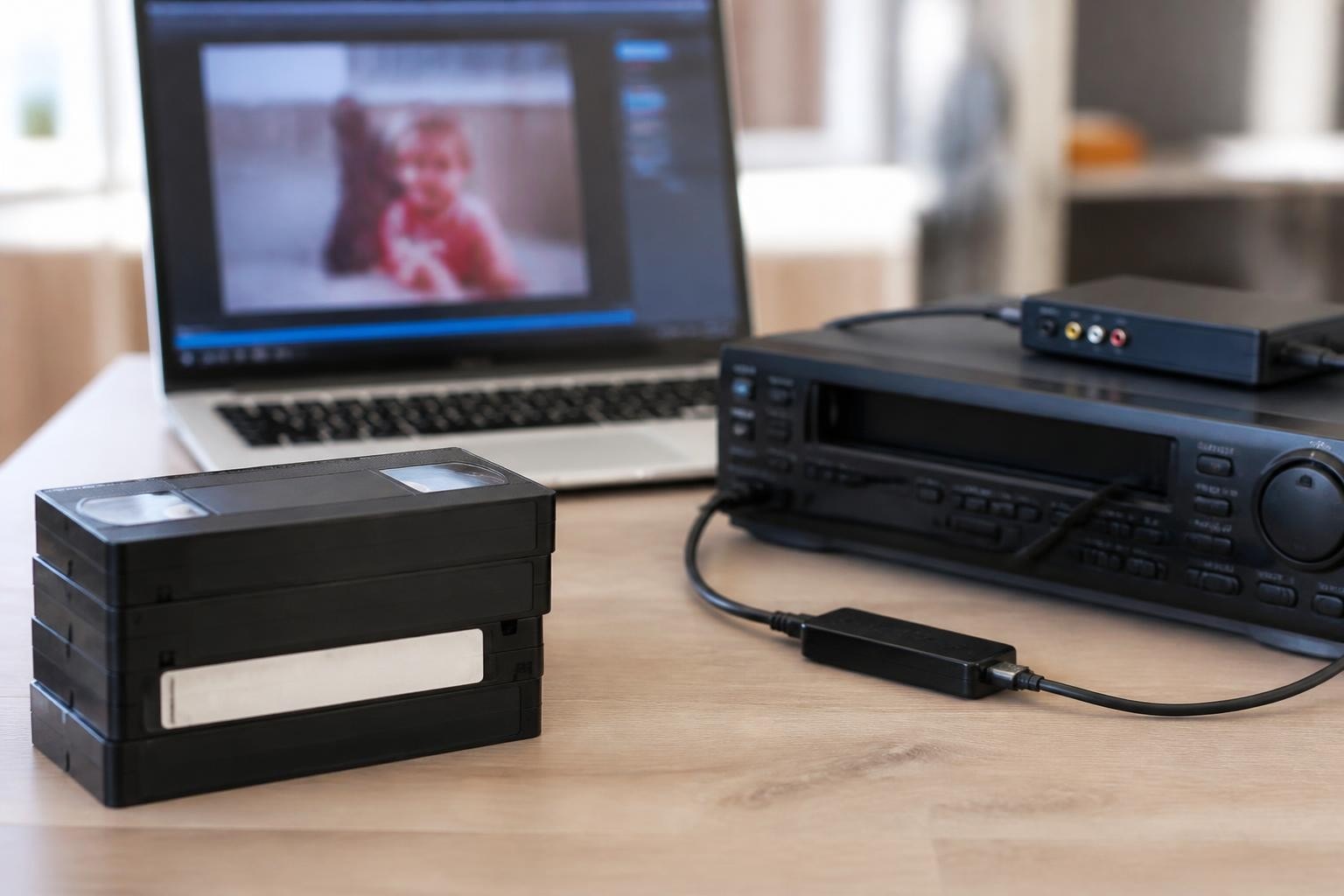
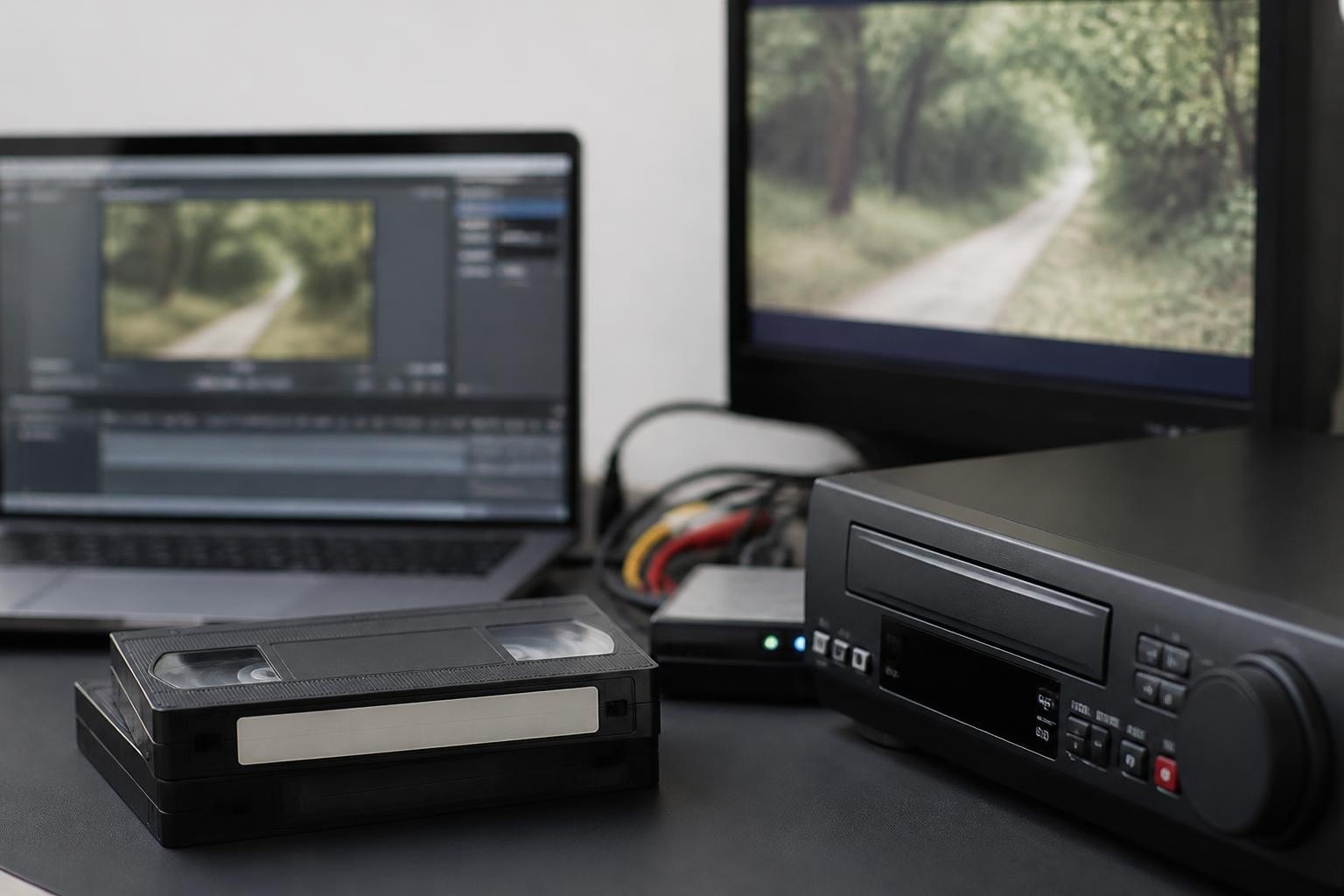
VCR Tape: Complete Guide for Digitization Professionals
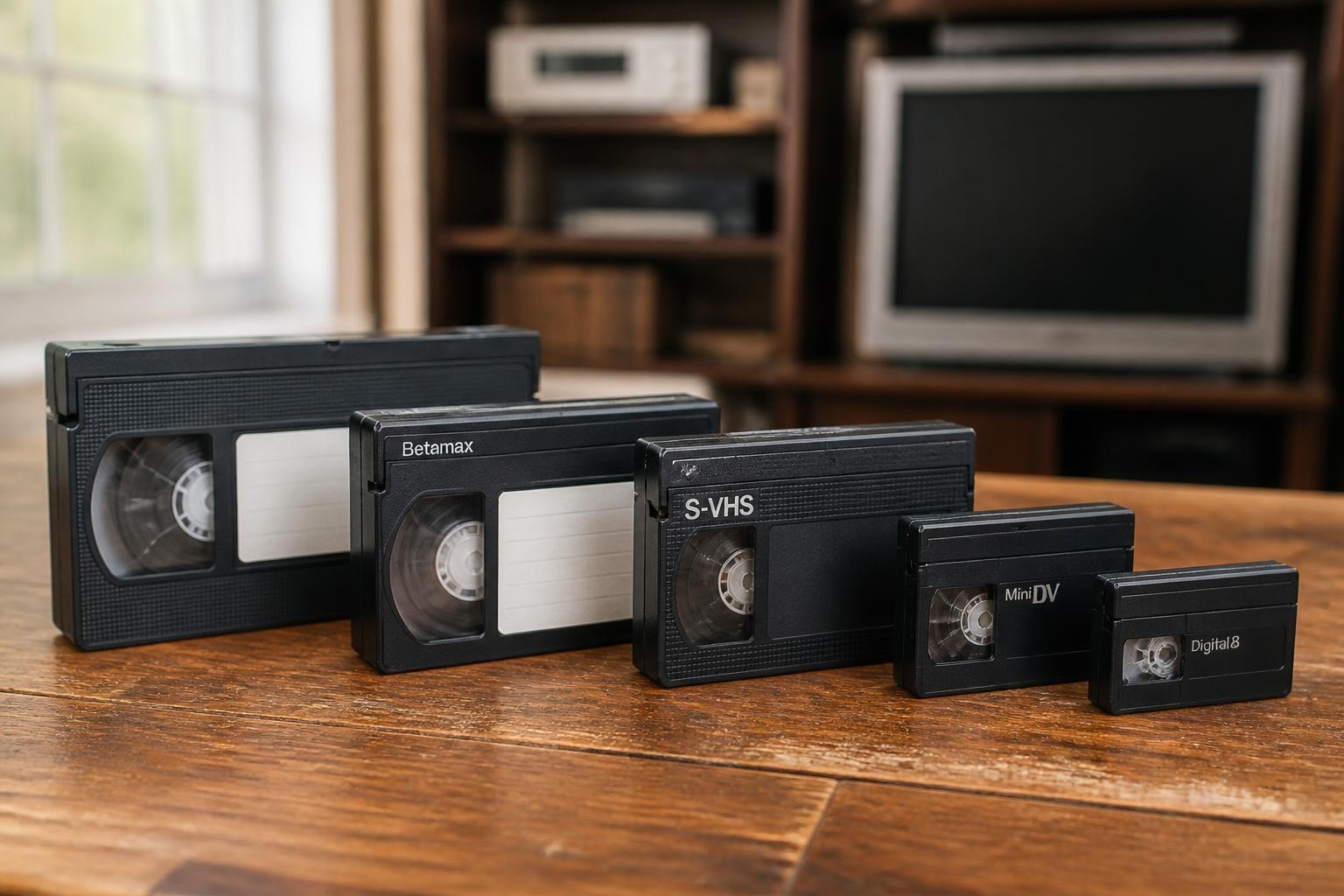
The magnetic vcr tape revolutionized how people consumed and preserved video content for nearly four decades. From professional broadcast studios to home entertainment systems, these magnetic media formats captured countless hours of irreplaceable footage. Today, digitization professionals face the critical challenge of preserving these materials before they deteriorate beyond recovery. Understanding the technical specifications, preservation requirements, and playback equipment nuances of various vcr tape formats is essential for anyone operating a successful video transfer business in 2026.
Understanding VCR Tape Technology and Formats
The term "vcr tape" encompasses a wide range of magnetic videotape formats developed between the 1970s and early 2000s. Each format utilized different tape widths, recording methods, and magnetic formulations to achieve varying levels of video quality and recording duration.
Core Magnetic Recording Principles
All vcr tape formats share fundamental magnetic recording principles. The tape consists of a polyester base coated with magnetic particles, typically iron oxide or metal particles, suspended in a polymer binder. During recording, video heads in the playback deck magnetize these particles in patterns corresponding to the video and audio signals.
The quality and longevity of any vcr tape depends on three primary factors:
- Magnetic particle quality and density - determines resolution and signal strength
- Binder stability - affects tape longevity and susceptibility to sticky shed syndrome
- Base film thickness - influences mechanical stability and storage capacity
Professional formats like Betacam SP and S-VHS typically used superior magnetic formulations compared to consumer formats, resulting in better image quality and longer archival life.

Consumer Format Specifications
Consumer vcr tape formats dominated the home video market and represent the majority of tapes requiring digitization today. The VHS format achieved market dominance despite technical inferiority to Betamax, largely due to longer recording times and more aggressive licensing strategies.
| Format | Tape Width | Video Resolution | Recording Time (SP) | Common Applications |
|---|---|---|---|---|
| VHS | 1/2 inch | 240 lines | 120-180 min | Home video, rental movies |
| Betamax | 1/2 inch | 250-280 lines | 60-90 min | Home video, early broadcast |
| VHS-C | 1/2 inch | 240 lines | 30-45 min | Camcorders |
| Video8 | 8mm | 240 lines | 120 min | Compact camcorders |
| Hi8 | 8mm | 400 lines | 120 min | Advanced camcorders |
The introduction of Digital8 in 1999 marked a transitional format that recorded digital DV video onto Hi8 cassette shells, offering superior quality while maintaining compatibility with analog 8mm equipment.
Professional Format Specifications
Professional vcr tape formats were engineered for broadcast quality and reliability. These formats command premium pricing in the digitization market due to their superior technical specifications and the value of content they typically contain.
MiniDV became the professional standard for field acquisition in the late 1990s and early 2000s, offering exceptional quality in a compact cassette. The format's 500-line resolution and minimal compression made it ideal for wedding videographers, documentary filmmakers, and event coverage professionals.
Other professional formats requiring specialized playback equipment include:
- U-matic - 3/4 inch broadcast format from 1971-1990s
- Betacam SP - Industry standard broadcast format with metal particle tape
- DVCAM - Professional DV variant with wider track pitch
- S-VHS - Enhanced VHS offering 400-line resolution
According to the Federal Agencies Digitization Guidelines Initiative, professional formats generally require more sophisticated transfer equipment and expertise to achieve optimal digitization results.
VCR Tape Deterioration and Preservation Challenges
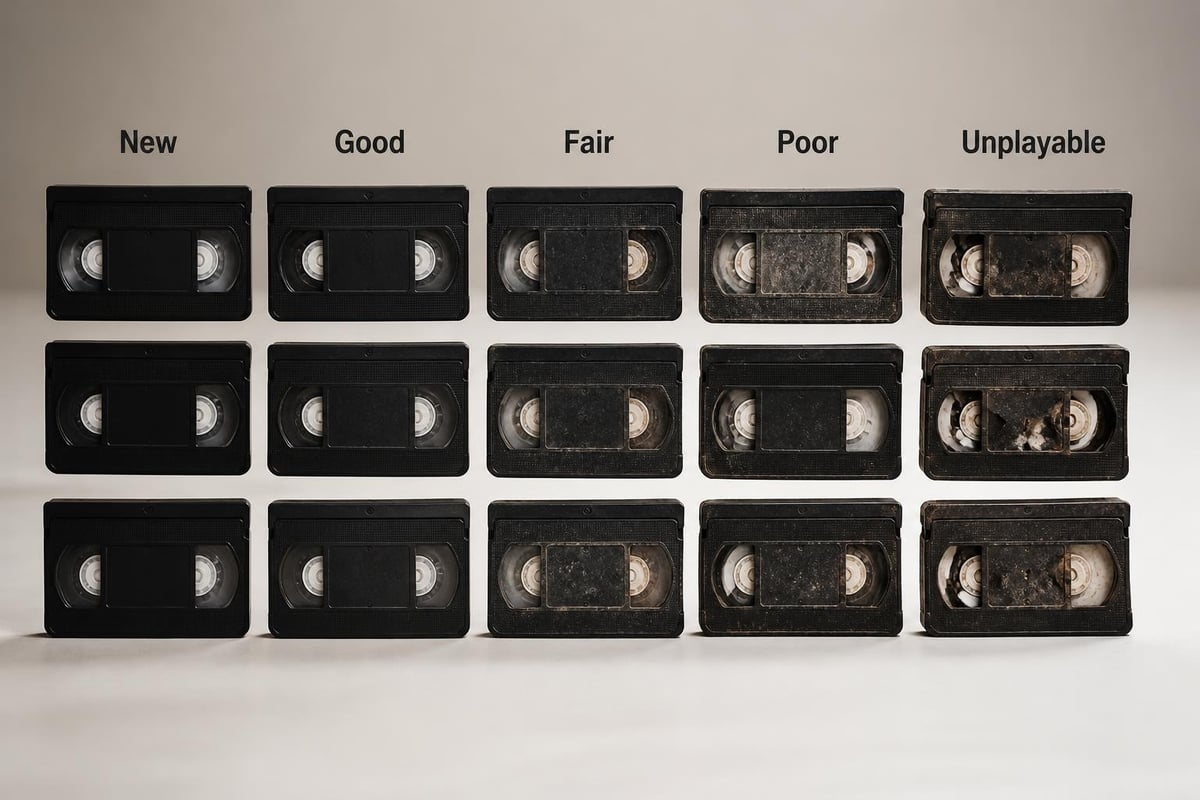
Every vcr tape is deteriorating, regardless of storage conditions. The question facing digitization professionals is not whether tapes will fail, but when and how quickly. Understanding deterioration mechanisms helps prioritize transfer projects and set realistic client expectations.
Chemical and Physical Degradation
The polymer binder holding magnetic particles to the tape base undergoes hydrolysis over time, a chemical reaction accelerated by heat and humidity. This process manifests as sticky shed syndrome, where the binder becomes tacky and causes the tape to stick to itself and drum heads during playback.
The National Archives guidance on magnetic media preservation identifies several deterioration patterns:
- Binder breakdown - results in magnetic particle loss and dropout
- Base film degradation - causes brittleness and mechanical failure
- Lubricant separation - creates squealing and increased friction
- Magnetic signal decay - gradual weakening of recorded information
Temperature and humidity fluctuations cause expansion and contraction cycles that stress the tape structure. Each thermal cycle slightly degrades the physical integrity of the vcr tape, making it more susceptible to damage during playback.
Environmental Storage Requirements
Proper storage significantly extends vcr tape life, though it cannot prevent eventual deterioration. The U.S. National Archives recommends specific environmental controls for videotape preservation:
Optimal Storage Conditions:
- Temperature: 65-70°F (18-21°C)
- Relative humidity: 30-40%
- Darkness (no UV exposure)
- Vertical orientation with full rewind
- Clean, dust-free environment
Prohibited Storage Conditions:
- Attics and basements with temperature extremes
- Direct sunlight or fluorescent lighting
- Near heating/cooling vents
- Horizontal stacking creating case pressure
- Proximity to magnetic fields
Many clients present tapes stored in conditions far outside these parameters. Setting appropriate expectations about potential playback issues helps maintain professional relationships when problem tapes arrive for digitization.
Common Playback Problems
Digitization professionals encounter predictable vcr tape problems based on age, format, and storage history. Recognizing these issues quickly prevents damage to both tapes and playback equipment.
Mechanical Issues:
- Broken or stretched tape requiring splicing
- Warped cassette shells preventing proper threading
- Seized supply or take-up reels
- Damaged or missing tape guides
- Broken cassette springs or pressure pads
Magnetic/Chemical Issues:
- Sticky shed requiring baking or chemical treatment
- Print-through causing ghost images
- Signal dropout from particle loss
- Edge damage from improper winding tension
- Mold growth requiring specialized cleaning
Professional vcr repair services become essential when dealing with tapes exhibiting multiple deterioration symptoms. Attempting playback on compromised equipment risks damaging both the tape and the deck.
Professional Playback Equipment Requirements
Successfully digitizing vcr tape requires reliable, properly maintained playback equipment. The consumer market abandonment of these formats means professional-grade decks command premium prices and require specialized maintenance knowledge.
Deck Selection Criteria
Choosing appropriate playback equipment depends on the tape formats your digitization business handles and the quality expectations of your client base. Professional decks offer superior time base correction, enhanced tracking capabilities, and more durable transport mechanisms compared to consumer models.
Essential Deck Features:
- Time base correction (TBC) - stabilizes playback timing and reduces jitter
- Digital noise reduction - minimizes tape noise and dropout artifacts
- Multiple playback speeds - accommodates various recording modes
- Professional connectivity - S-Video, component, and balanced audio outputs
- Manual tracking control - optimizes playback of damaged or misaligned recordings
The Sony GV-D200 represents an excellent MiniDV option, offering both playback and portable recording capabilities. For S-VHS transfer work, the JVC SR-VS30U provides professional features at reasonable acquisition costs.
Rental vs. Purchase Economics
Many digitization businesses face difficult equipment acquisition decisions. Purchasing used professional decks carries significant risk due to age-related failures, while new equipment is completely unavailable for most vcr tape formats.
| Option | Upfront Cost | Monthly Cost | Risk Level | Best For |
|---|---|---|---|---|
| Purchase used deck | $300-2,000 | Maintenance only | High (age/condition) | High-volume, single format |
| Purchase refurbished | $500-3,000 | Maintenance only | Medium | Established businesses |
| Monthly rental | None | $99-299 | Low (provider maintains) | Variable volume, multiple formats |
| Per-project rental | None | $150-400/week | Low | Occasional projects |
VCR deck rental services eliminate the capital expense and maintenance burden while providing access to properly functioning equipment. This model proves particularly valuable for businesses handling multiple formats or experiencing seasonal demand fluctuations.
Maintenance and Reliability Considerations
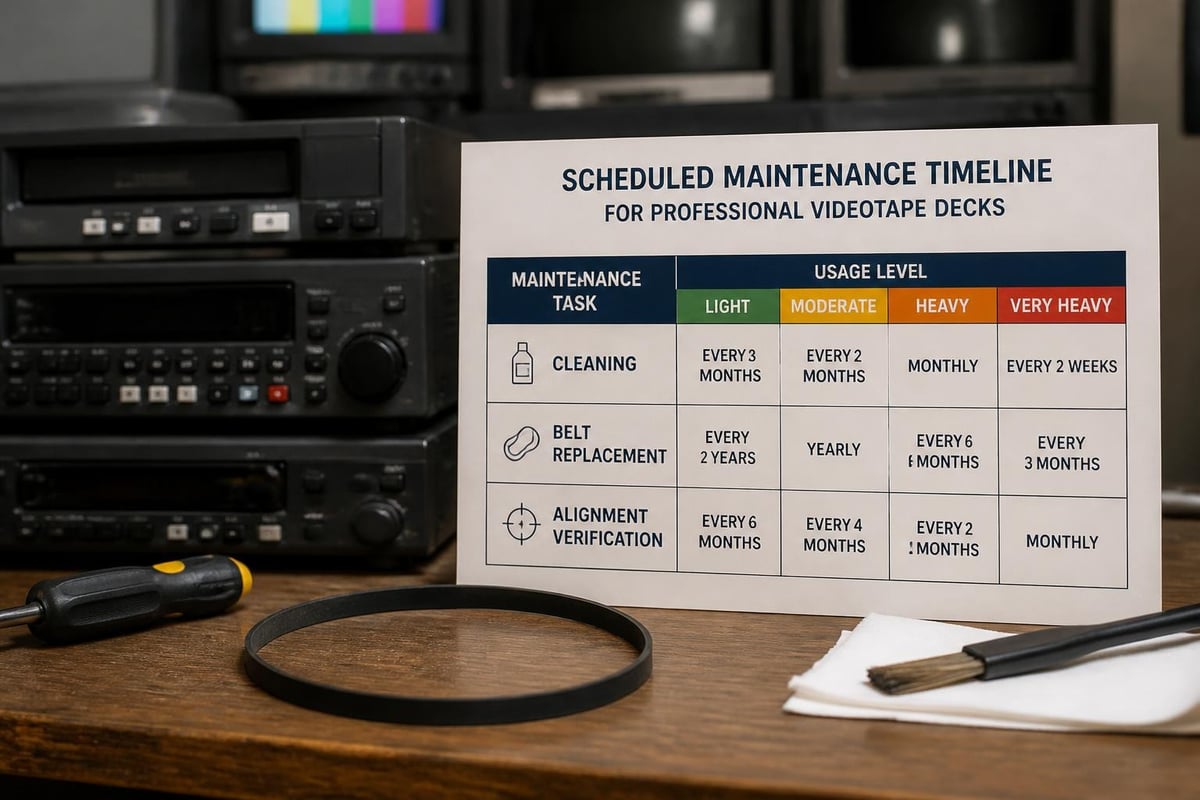
Professional vcr tape playback equipment requires regular maintenance to ensure optimal performance and prevent tape damage. Neglected decks develop tracking problems, poor head contact, and transport irregularities that compromise digitization quality.
Critical maintenance tasks include:
- Video head cleaning every 20-40 hours of playback
- Capstan and pinch roller cleaning to prevent speed variations
- Belt replacement based on operating hours or visible deterioration
- Idler tire inspection for hardening or glazing
- Mechanical alignment verification using test tapes
According to SMPTE technical standards, professional maintenance extends deck life and ensures consistent playback quality across multiple tape formats. Establishing relationships with qualified repair technicians or securing maintenance contracts protects your equipment investment.
Digitization Workflow Best Practices
Efficient vcr tape digitization requires systematic workflows that balance quality, throughput, and cost management. Professional operations develop standardized procedures that ensure consistent results while minimizing equipment wear and operator fatigue.
Intake and Assessment Procedures
Every vcr tape digitization project begins with thorough intake documentation and condition assessment. This critical step prevents disputes, identifies problem tapes requiring special handling, and establishes realistic timelines.
Standard Intake Protocol:
- Document cassette identification marks and labels
- Photograph cassette condition (shell damage, mold, etc.)
- Test play first 30 seconds to verify format and condition
- Note any playback anomalies or quality issues
- Classify tapes by priority, format, and condition
- Provide written condition report and timeline estimate
Clients appreciate transparency about vcr tape condition and potential playback limitations. Some tapes stored in adverse conditions may be unplayable or require restoration efforts exceeding standard digitization costs.
Technical Capture Specifications
Professional digitization standards balance file size management with preservation quality requirements. The CLIR magnetic tape storage guide provides authoritative guidance on appropriate digitization targets for various preservation scenarios.
Recommended Capture Settings:
| Source Format | Resolution | Codec | Bitrate | Container |
|---|---|---|---|---|
| VHS, Betamax | 720x480 | ProRes 422 | 50 Mbps | MOV |
| S-VHS, Hi8 | 720x480 | ProRes 422 HQ | 75 Mbps | MOV |
| MiniDV, Digital8 | 720x480 | Passthrough DV | 25 Mbps | MOV/AVI |
| Betacam SP | 720x486 | ProRes 422 HQ | 75 Mbps | MOV |
Digital formats like Digital8 should be captured via FireWire connection to preserve the original digital data without unnecessary re-compression. This approach maintains maximum quality while reducing processing time.
Quality Control and Delivery
Systematic quality control prevents client dissatisfaction and costly re-work. Professional digitization operations implement multi-stage verification procedures before releasing completed projects.
QC Checkpoint Process:
- Verify complete tape capture with no missing segments
- Check audio sync throughout entire duration
- Confirm proper aspect ratio and field order
- Assess color balance and video levels
- Test playback on multiple devices/platforms
- Generate backup copies per client agreement
Most clients requesting vcr tape digitization want their content preserved in modern, accessible formats while maintaining the best possible quality given the source material limitations. Managing expectations about inherent analog format limitations prevents dissatisfaction with results.
Business Considerations for Digitization Services
Operating a profitable vcr tape digitization business requires balancing equipment costs, labor efficiency, and competitive pricing while delivering quality results. The declining availability of playback equipment creates both challenges and opportunities for established operators.
Equipment Portfolio Strategy
Successful digitization businesses maintain equipment inventories matching their market demand patterns. Rather than attempting to service every format, many operators focus on high-volume consumer formats while partnering with specialists for unusual or rare tape types.
High-Priority Formats (2026 Market):
- MiniDV (wedding videos, events)
- VHS (family memories, home movies)
- Digital8 (late 1990s/early 2000s camcorder footage)
- Hi8 (1990s camcorder content)
Specialty Formats (Lower Volume):
- Betamax (early home video)
- U-matic (institutional/broadcast)
- Betacam SP (professional broadcast)
- Video8 (1980s camcorder footage)
Many businesses find renting specialized decks for occasional projects more economical than maintaining rarely-used equipment. Monthly rental costs of $99-$299 often prove cheaper than repair bills when aging equipment fails.
Pricing Models and Market Positioning
Vcr tape digitization pricing varies dramatically based on service level, turnaround time, and included deliverables. Understanding your cost structure and competitive positioning determines long-term profitability.
Common Pricing Approaches:
- Per-tape flat rate - $15-40 per tape regardless of length
- Per-hour pricing - $25-60 per recorded hour
- Tiered service levels - economy, standard, premium options
- Volume discounts - reduces per-unit cost for large projects
- Rush fees - 50-100% premium for expedited service
Equipment reliability directly impacts profitability. Unexpected deck failures during high-volume periods create costly delays and disappointed customers. Maintaining backup equipment or having guaranteed access to rental decks protects against these disruptions.
Marketing to Target Audiences
Vcr tape digitization services appeal to multiple customer segments with different motivations and price sensitivities. Effective marketing addresses specific pain points and decision factors for each audience.
Primary Market Segments:
- Consumers with family archives - emotionally motivated, moderate budgets
- Estate executors - time-sensitive, varying budgets
- Video production companies - quality-focused, professional expectations
- Institutional archives - preservation-focused, specification-driven
- Legal discovery firms - deadline-driven, quality documentation required
Content marketing addressing specific concerns like understanding vcr tape formats or preventing tape damage builds trust and demonstrates expertise. Educational approaches convert better than purely promotional messaging in this technical service category.
Format-Specific Transfer Considerations
Different vcr tape formats present unique technical challenges requiring specialized knowledge and equipment adjustments. Understanding these format-specific issues improves capture quality and reduces equipment wear.
VHS and S-VHS Special Issues
Standard VHS remains the most common vcr tape format requiring digitization in 2026. Despite its technical limitations, VHS captured irreplaceable family memories and historical footage requiring preservation.
Common VHS-specific problems include:
- Tracking instability requiring manual adjustment
- LP/EP mode playback needing speed-matched deck capabilities
- Generational quality loss on dubbed copies
- Edge curl from improper storage causing tracking problems
- Cassette shell damage preventing proper tape path
S-VHS decks can typically play standard VHS tapes, but dedicated equipment provides better results for high-quality S-VHS recordings requiring the format's full 400-line resolution capability.
MiniDV and Digital8 Capture
Digital vcr tape formats like MiniDV require different transfer approaches than analog formats. These digital recordings should be captured via FireWire (IEEE 1394) connection to preserve the original DV codec without re-compression.
Digital Format Best Practices:
- Use FireWire/i.Link connection for bit-perfect transfer
- Capture to DV codec preserving original quality
- Verify timecode continuity for edited footage
- Check for dropout errors during transfer
- Save both DV master and transcoded delivery files
MiniDV deck rental provides access to reliable playback equipment without the maintenance burden of aging digital mechanisms prone to transport failures.
Betamax and Other Legacy Formats
Early consumer formats like Betamax present availability challenges as working playback equipment becomes increasingly scarce. These formats often contain historically significant content from the late 1970s and early 1980s.
Professional Betamax variants like Betacam and Betacam SP require completely different playback equipment despite superficial cassette similarities. Attempting to play professional tapes in consumer decks causes damage to both tape and equipment.
Legacy format transfer often commands premium pricing due to equipment scarcity and specialized expertise requirements. Clients with these formats understand their rarity and typically accept higher service costs for successful digitization.
Understanding vcr tape technology, preservation challenges, and professional digitization requirements positions your business for success in the video transfer market. As playback equipment ages and becomes scarcer, reliable access to properly maintained decks becomes the critical limiting factor for digitization businesses. Whether you need occasional access to specialized formats or consistent availability of high-volume equipment, VCR Supply provides professional-grade deck rentals starting at $99 per month, expert repair services, and maintenance contracts that keep your digitization operation running smoothly without the capital expense and downtime risks of equipment ownership.