VCR Repairs Near Me: Professional Service Guide 2026
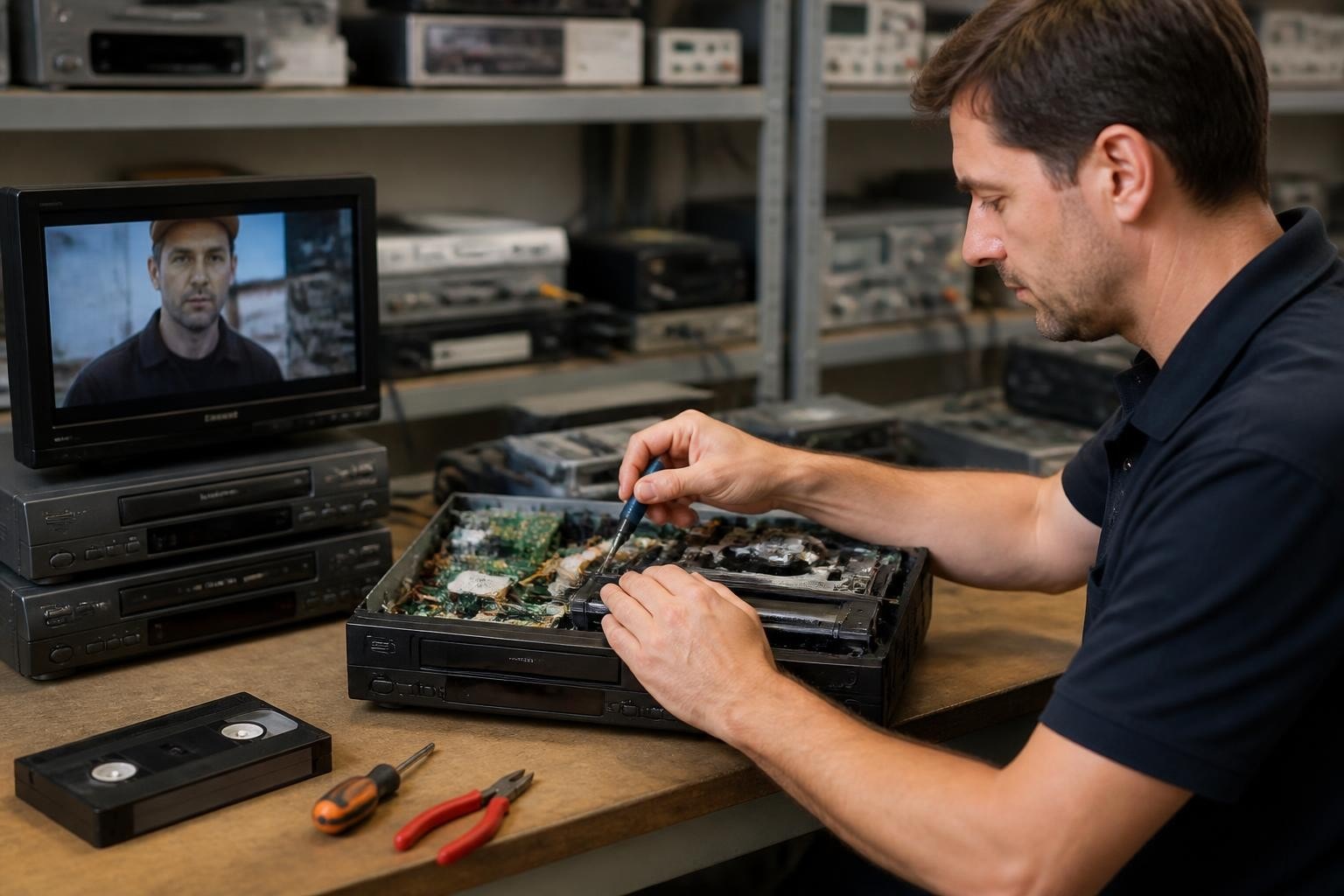
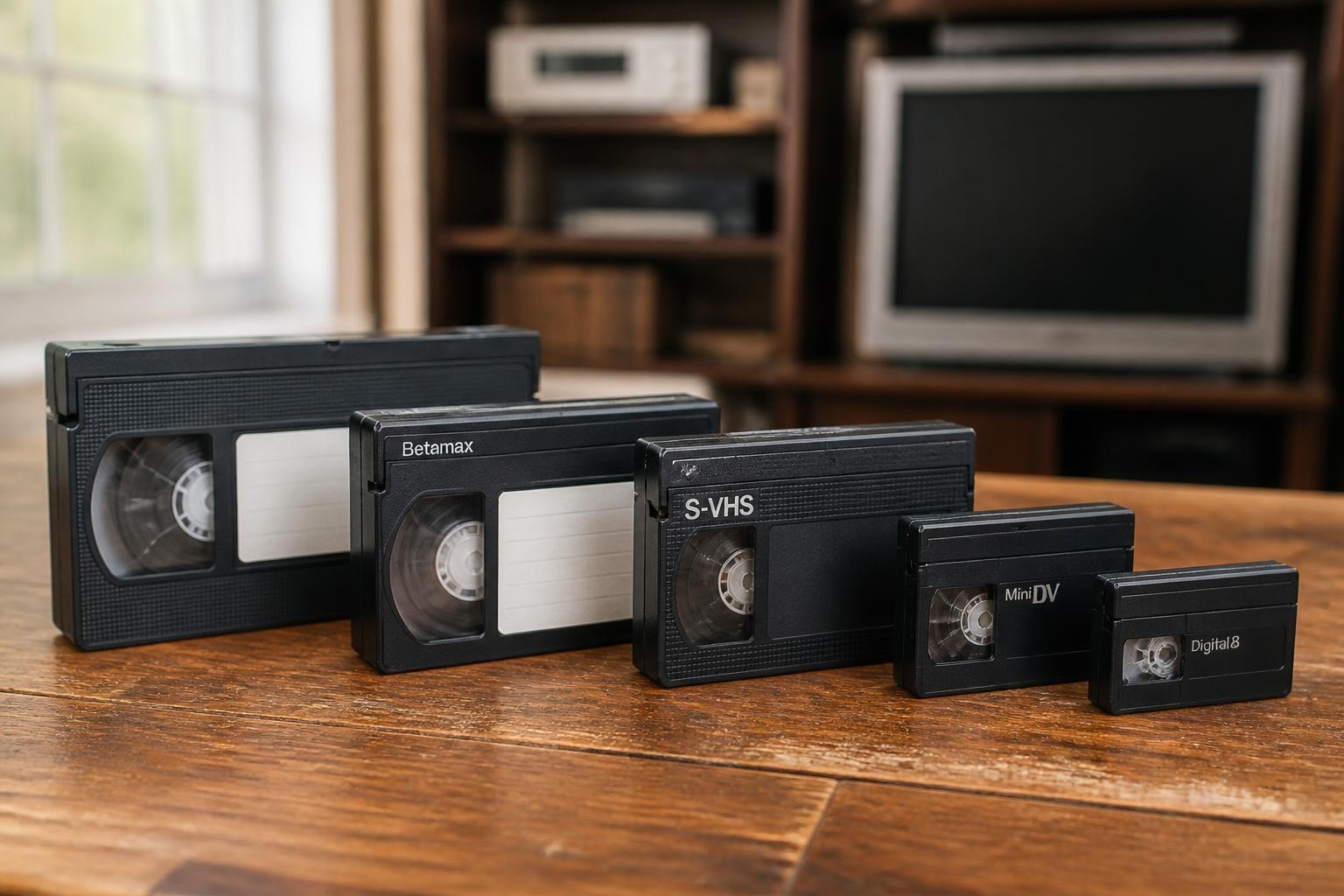
Finding reliable vcr repairs near me has become increasingly challenging as consumer electronics stores phase out support for legacy video equipment. However, for digitization businesses, archival facilities, and video production companies, maintaining professional videotape decks remains essential. The demand for preserving content stored on MiniDV, S-VHS, Digital8, and Betamax tapes continues, making specialized repair services critical to business operations. Understanding where to find qualified technicians, what repairs cost, and how to maintain equipment can significantly impact your bottom line and service quality.
Understanding Professional VCR Repair Needs
Professional videotape decks differ substantially from consumer models in construction quality, precision alignment requirements, and complexity. When searching for vcr repairs near me, recognizing these differences helps you find technicians with appropriate expertise.
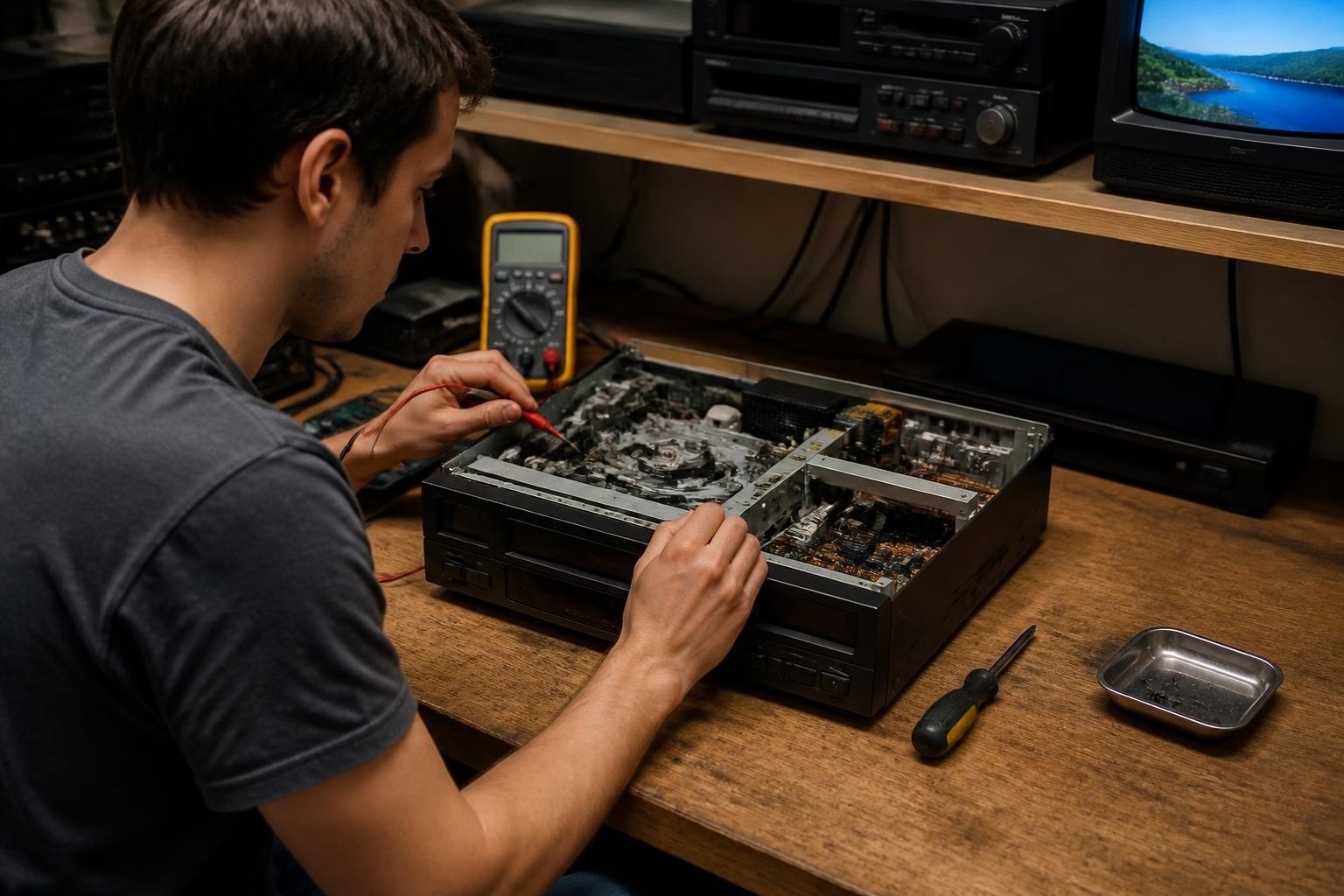
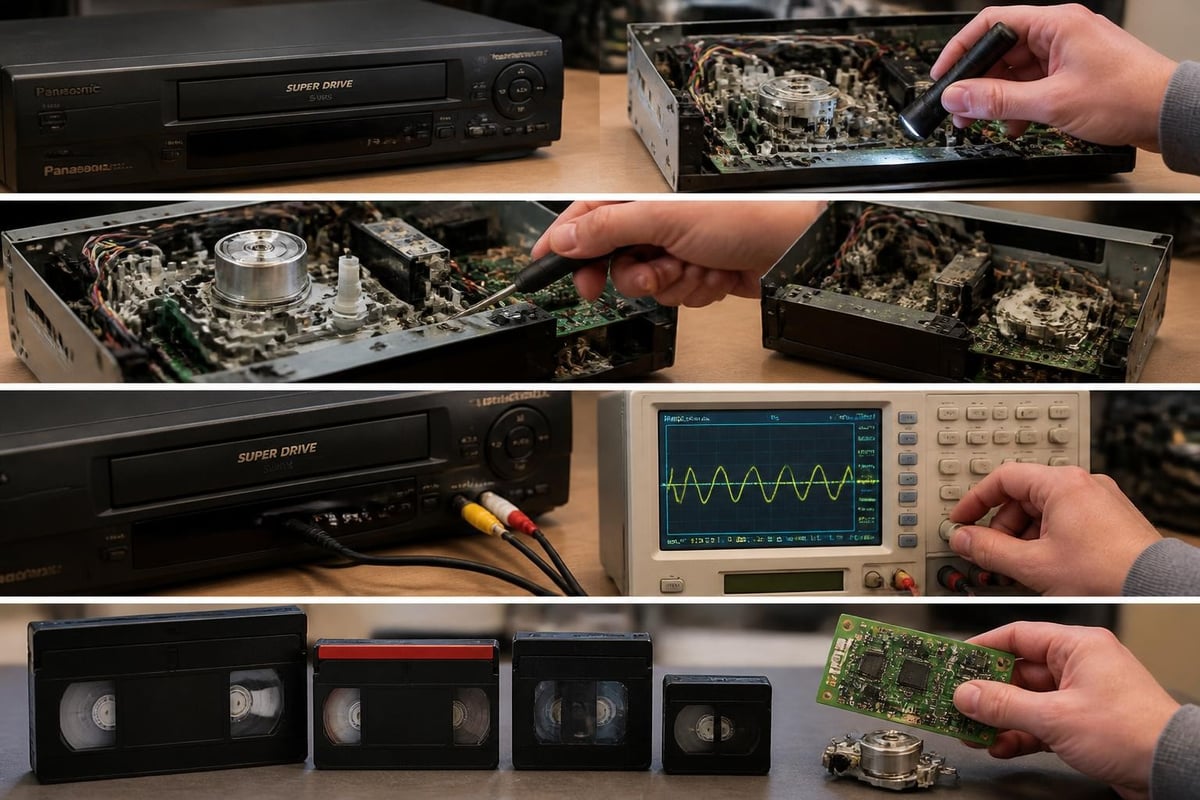
Professional decks feature broadcast-grade components designed for continuous operation and precise playback. They typically include professional-grade video heads, time-base correctors, advanced servo systems, and modular construction that facilitates component-level repair. Understanding how VCRs work provides valuable context for common failure points.
Common Professional Deck Failures
Digitization businesses encounter specific failure patterns that require specialized knowledge:
- Video head wear and contamination affecting playback quality
- Capstan and pinch roller deterioration causing speed inconsistencies
- Loading mechanism failures in motorized tape transport systems
- Servo circuit malfunctions creating tracking and stability issues
- Power supply degradation from continuous operation cycles
- Belt stretching or breakage in mechanical assemblies
Most repair shops charging a diagnostic fee between $40-50 can identify these issues within 24-48 hours. The diagnostic process typically involves visual inspection, mechanical testing, and signal quality measurement using specialized equipment.
Finding Qualified VCR Repair Services
The consolidation of electronics repair businesses has reduced options for vcr repairs near me, but several pathways exist for locating qualified technicians.
Specialized video equipment repair facilities often maintain expertise in professional videotape technology. These businesses typically serve broadcast stations, production companies, and archival institutions. They invest in service manuals, alignment tools, and replacement parts inventories that general electronics shops lack.
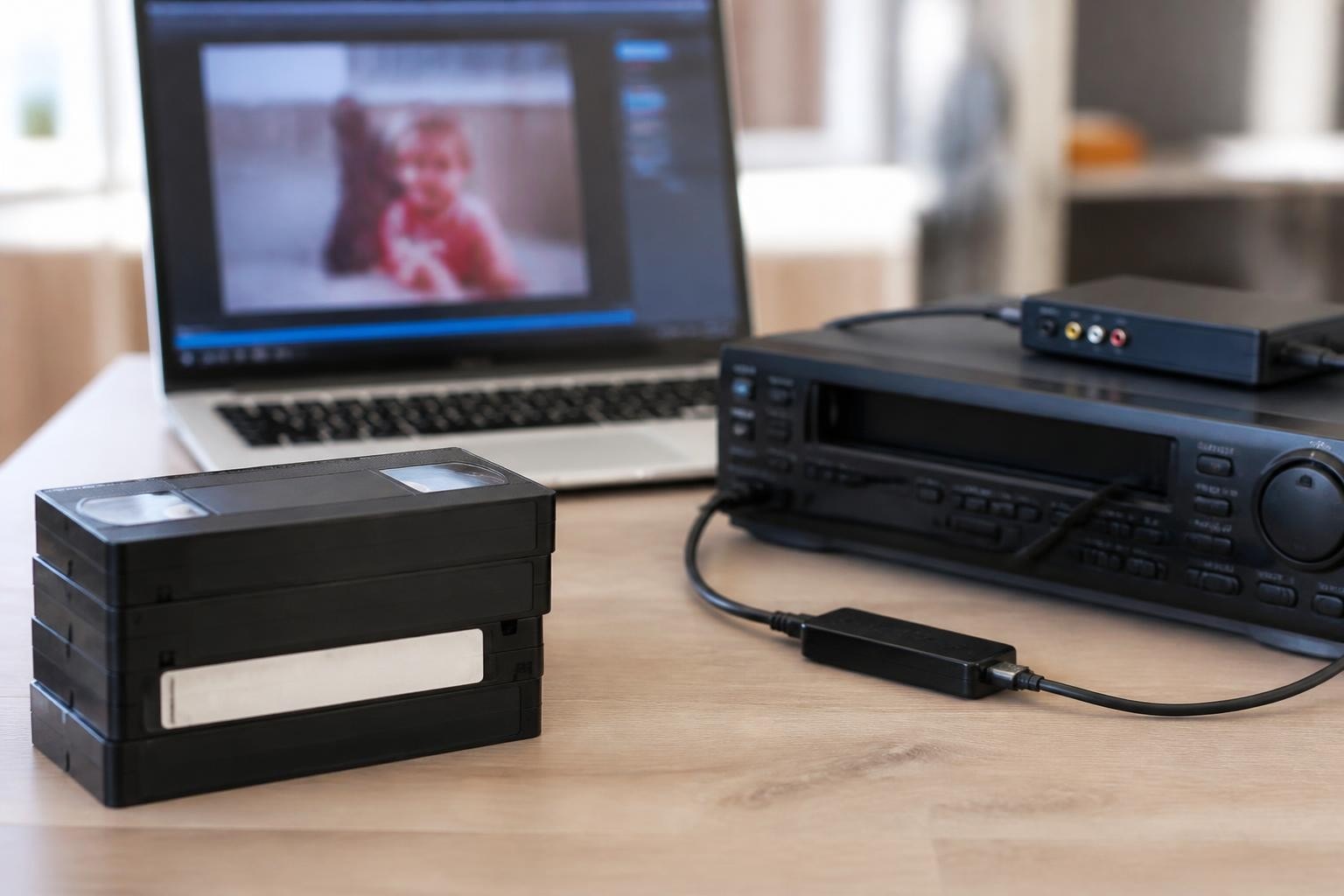
Digitization service bureaus frequently maintain in-house repair capabilities or relationships with trusted technicians. Their business model depends on functional playback equipment, creating strong incentives to maintain repair expertise.
| Service Type | Typical Diagnostic Fee | Turnaround Time | Parts Availability |
|---|---|---|---|
| Specialized Video Repair | $45-75 | 5-10 days | Good |
| General Electronics Shop | $35-50 | 7-14 days | Limited |
| Manufacturer Service Centers | $75-125 | 10-20 days | Excellent |
| Independent Technicians | $40-60 | Variable | Variable |
Online communities and professional associations provide valuable resources. The SMPTE technical specifications offer standards documentation that serious repair facilities reference, while iFixit VCR repair guides provide community-driven troubleshooting assistance.
Evaluating Repair Shop Credentials
When researching vcr repairs near me, evaluate potential service providers using these criteria:
- Format-specific experience with your equipment types
- Access to service documentation and alignment procedures
- Test equipment inventory including waveform monitors and oscilloscopes
- Parts sourcing capabilities for discontinued components
- Warranty policies on completed repairs
- Turnaround time commitments with service-level agreements
Request references from other digitization businesses or archival facilities. Technical competence matters more than proximity, especially for specialized professional formats.
Repair Costs and Budget Planning
Understanding typical repair expenses helps digitization businesses budget appropriately and make informed decisions about repair versus replacement.
Standard Repair Pricing Structure
Most professional vcr repairs near me follow consistent pricing models. Diagnostic fees typically range from $40-75, applied toward repair costs if you proceed with service. This fee covers technician time for troubleshooting, testing, and generating a detailed estimate.
Common repair costs include:
- Head replacement: $150-400 depending on format and head type
- Capstan/pinch roller service: $75-150 including parts
- Belt replacement: $50-100 for complete belt set
- Loading mechanism rebuild: $125-275 depending on complexity
- Servo circuit repair: $100-250 for board-level component replacement
- Power supply rebuild: $75-175 including capacitor replacement
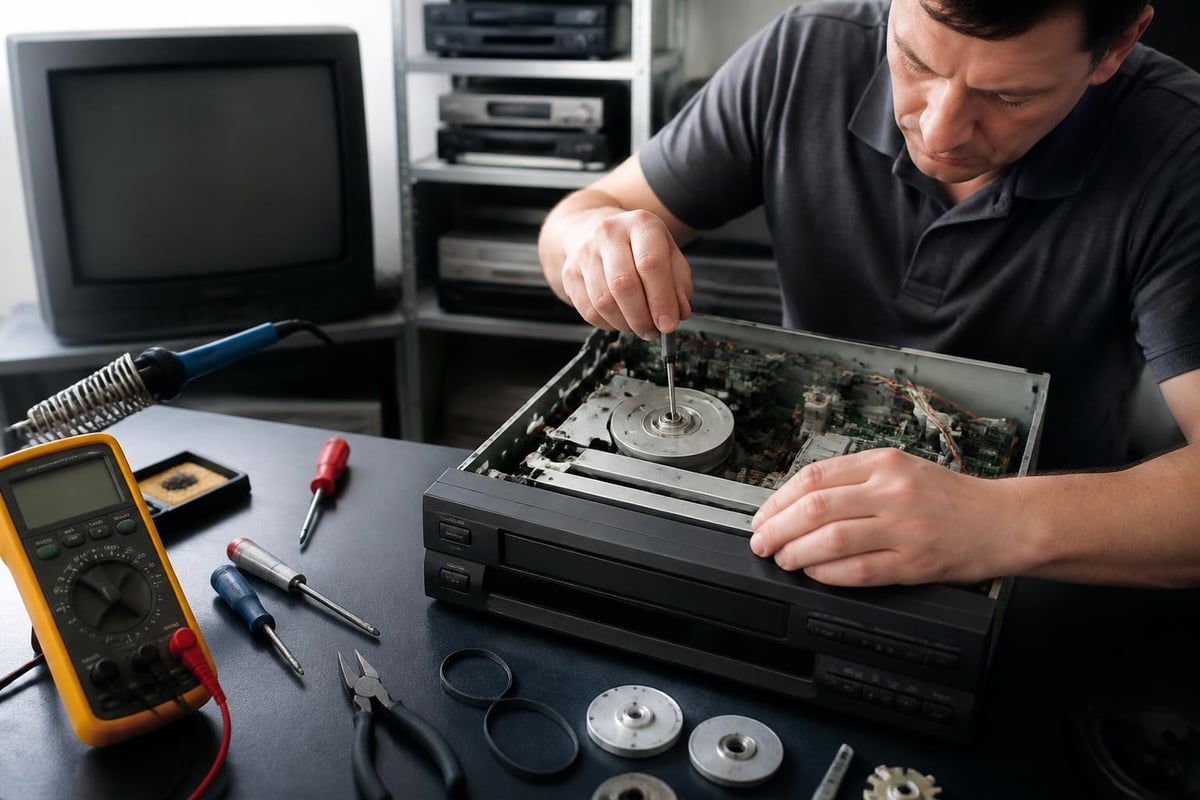
Labor rates for qualified technicians typically fall between $75-125 per hour. Complex repairs may require 2-4 hours of skilled work beyond initial diagnostics.
Repair vs. Replacement Decision Framework
Digitization businesses face regular decisions about repairing existing equipment versus acquiring replacement units. Several factors influence this analysis:
Equipment value considerations should account for replacement cost, current functionality percentage, and expected remaining service life. Professional S-VHS decks selling for $800-1,500 on secondary markets justify repair investments up to 40-50% of replacement cost. Obsolete formats with limited replacement availability often warrant higher repair investment percentages.
Business continuity requirements significantly impact decisions. Equipment downtime directly affects revenue for digitization operations. Maintaining backup units or utilizing rental equipment during repairs preserves customer commitments and revenue streams.
| Decision Factor | Favor Repair | Favor Replacement |
|---|---|---|
| Equipment Age | Under 15 years | Over 20 years |
| Repair Cost | Under 50% replacement | Over 70% replacement |
| Parts Availability | Components in stock | Discontinued/scarce |
| Downtime Tolerance | 1-2 weeks acceptable | Immediate need |
| Format Criticality | High demand format | Declining format |
Preventive Maintenance Strategies
Proactive maintenance reduces emergency repair frequency and extends equipment lifespan. Digitization businesses processing high tape volumes benefit substantially from structured maintenance programs.
Regular Cleaning Protocols
Tape path cleanliness directly impacts playback quality and head longevity. Professional operations should implement scheduled cleaning intervals based on usage hours.
Weekly cleaning tasks include:
- Video head cleaning using appropriate solvents and techniques
- Capstan and pinch roller surface cleaning
- Tape guide inspection and debris removal
- Control panel and ventilation cleaning
Following proper head cleaning procedures prevents damage while removing oxide buildup. Monthly deep cleaning should address internal mechanisms, circuit board dust accumulation, and cooling system maintenance.
Usage Monitoring and Documentation
Tracking equipment performance helps predict maintenance needs before failures occur. Digitization businesses should maintain logs recording operating hours, tape counts processed, and quality metrics.
Key performance indicators worth monitoring include:
- Tracking error frequency during playback
- Audio signal strength variations
- Mechanical noise or vibration changes
- Temperature readings during extended operation
- Time-code accuracy and stability
Documentation supports warranty claims, helps repair technicians diagnose intermittent issues, and provides data for replacement planning. Digital logging systems can automate much of this tracking.
Maintenance Contract Advantages
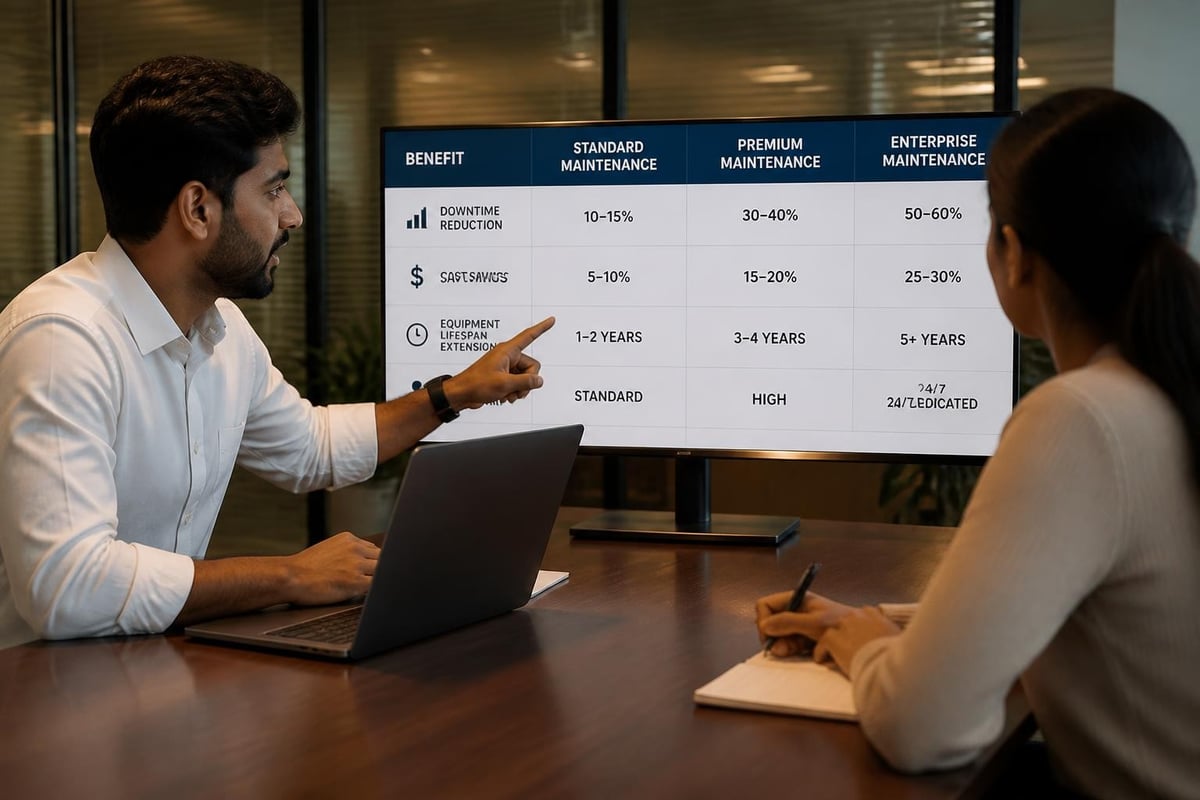
Businesses with multiple decks or critical uptime requirements benefit from structured maintenance agreements. When evaluating vcr repairs near me, inquire about preventive maintenance contracts alongside reactive repair services.
Contract Structure Options
Comprehensive maintenance programs typically include scheduled preventive service, priority repair response, discounted parts pricing, and extended warranty coverage. Monthly costs generally range from $150-350 per deck depending on service frequency and coverage scope.
Basic maintenance contracts provide scheduled cleaning and inspection at quarterly or semi-annual intervals, with standard pricing for repairs as needed. These programs cost $75-150 per visit, reducing total maintenance expenses compared to emergency-only service calls.
Service providers offering maintenance contracts maintain detailed equipment histories, stock commonly needed parts, and develop familiarity with specific equipment quirks. This knowledge accelerates troubleshooting and reduces downtime during failures.
| Contract Type | Monthly Cost/Deck | Services Included | Repair Discount |
|---|---|---|---|
| Comprehensive | $225-350 | Quarterly PM, priority repair, parts discount | 20-30% |
| Standard | $125-200 | Semi-annual PM, standard repair priority | 10-15% |
| Basic | $75-125 | Annual PM, equipment assessment | 5-10% |
| Pay-per-incident | Variable | Repair only, no preventive service | None |
Equipment Rental as Repair Alternative
During repair periods or when evaluating new format support, equipment rental provides operational continuity without capital investment. Many businesses searching for vcr repairs near me overlook rental options that solve immediate needs.
Short-term rental applications include:
- Backup coverage during repair turnaround periods
- Testing format viability before purchasing equipment
- Handling overflow work during peak demand periods
- Evaluating different deck models and manufacturers
- Supporting temporary project requirements
Professional videotape deck rentals typically start around $99 per month for formats like MiniDV and Digital8, with higher costs for professional S-VHS and Betamax equipment. Rental agreements often include basic maintenance, technical support, and replacement units if failures occur.
Rental Program Evaluation Criteria
When considering rental versus repair investment, assess total cost of ownership over expected usage periods. A deck requiring $400 in repairs with questionable remaining lifespan may justify rental instead, particularly for declining formats.
Financial break-even analysis should compare repair cost plus potential additional failures against rental expenses over 6-12 months. Equipment with ongoing reliability issues often proves more cost-effective to rent, transferring maintenance burden to rental providers.
Rental programs provide flexibility for capacity management. Seasonal digitization demand fluctuations become easier to accommodate when adding or removing rental units matches workload changes.
Archival and Preservation Considerations
Digitization businesses serve an important preservation function, making equipment reliability critical to cultural and historical record-keeping. Understanding archival standards informs repair and maintenance priorities.
The National Archives guidance on machine-readable media emphasizes proper playback equipment maintenance for successful content migration. Poorly maintained decks introduce errors, dropouts, and quality degradation that compromise preservation objectives.
Professional organizations including the International Association of Sound and Audiovisual Archives publish guidelines emphasizing equipment calibration and maintenance. These standards recognize that optimal playback quality requires properly aligned, well-maintained equipment.
Quality Standards for Archival Work
Archival digitization demands higher equipment performance standards than consumer playback. When seeking vcr repairs near me for archival applications, specify alignment to manufacturer specifications rather than "acceptable playback" standards.
Professional repair shops should provide:
- Signal quality measurements with test tapes
- Alignment documentation showing specifications met
- Head wear assessment and replacement recommendations
- Tracking stability verification across tape lengths
- Audio channel separation and frequency response testing
Many archives require certification that equipment meets specific performance thresholds before accepting digitization work. Maintaining this certification requires both skilled repair services and ongoing calibration verification.
Industry Trends and Future Outlook
Magnetic tape technology continues evolving in data storage applications, but consumer and professional videotape formats face inevitable obsolescence. Understanding these trends helps businesses plan equipment investments and repair strategies.
Parts Availability Challenges
Component scarcity increasingly complicates vcr repairs near me. Manufacturers discontinued most videotape deck production between 2008-2016, depleting new parts inventories. Repair facilities now rely on:
- New-old-stock components from defunct dealer inventories
- Salvaged parts from non-repairable donor units
- Generic replacement components adapted for specific applications
- Custom-fabricated mechanical parts for unique assemblies
Critical components like video heads, specialized integrated circuits, and format-specific mechanical assemblies face the greatest scarcity. Repair shops maintaining parts inventories for common professional formats provide competitive advantages over general electronics repair facilities.
Service Specialization Advantages
As general repair expertise declines, specialized knowledge becomes increasingly valuable. Technicians familiar with professional formats, alignment procedures, and troubleshooting techniques command premium pricing and customer loyalty.
Digitization businesses benefit from developing relationships with specialized repair providers before emergency needs arise. Establishing these connections ensures priority service access, better pricing, and technical consultation availability.
Professional videotape equipment repair requires specialized knowledge, appropriate test equipment, and access to increasingly scarce replacement parts. Whether you need immediate repair services, preventive maintenance programs, or temporary rental equipment during repair periods, VCR Supply provides comprehensive support for digitization businesses. With diagnostic services starting at $45, rental programs from $99 monthly, and maintenance contracts designed to minimize downtime, VCR Supply helps you maintain operational continuity while preserving valuable content stored on legacy video formats.