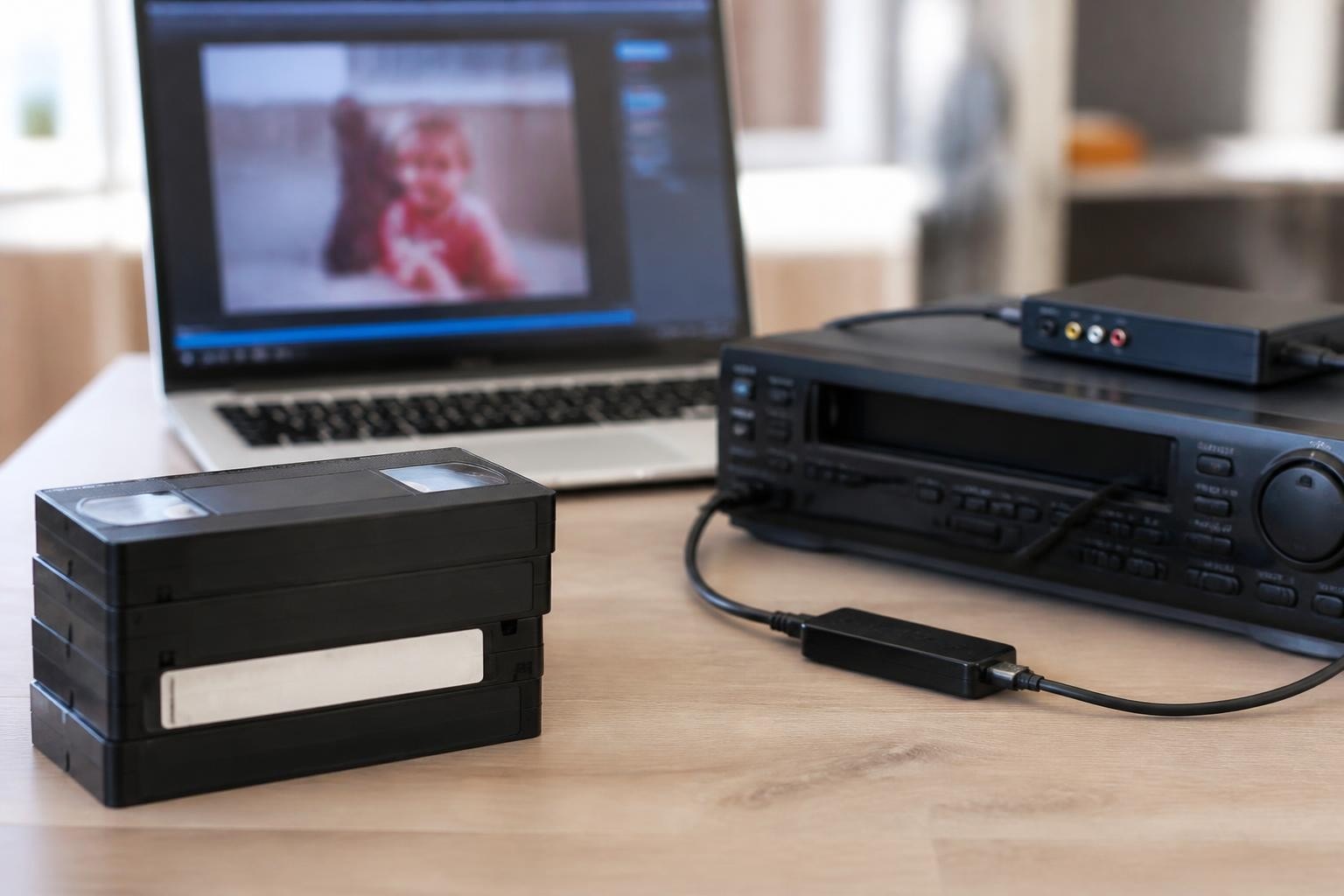
VHS Cassette Recorder: Essential Guide for 2026
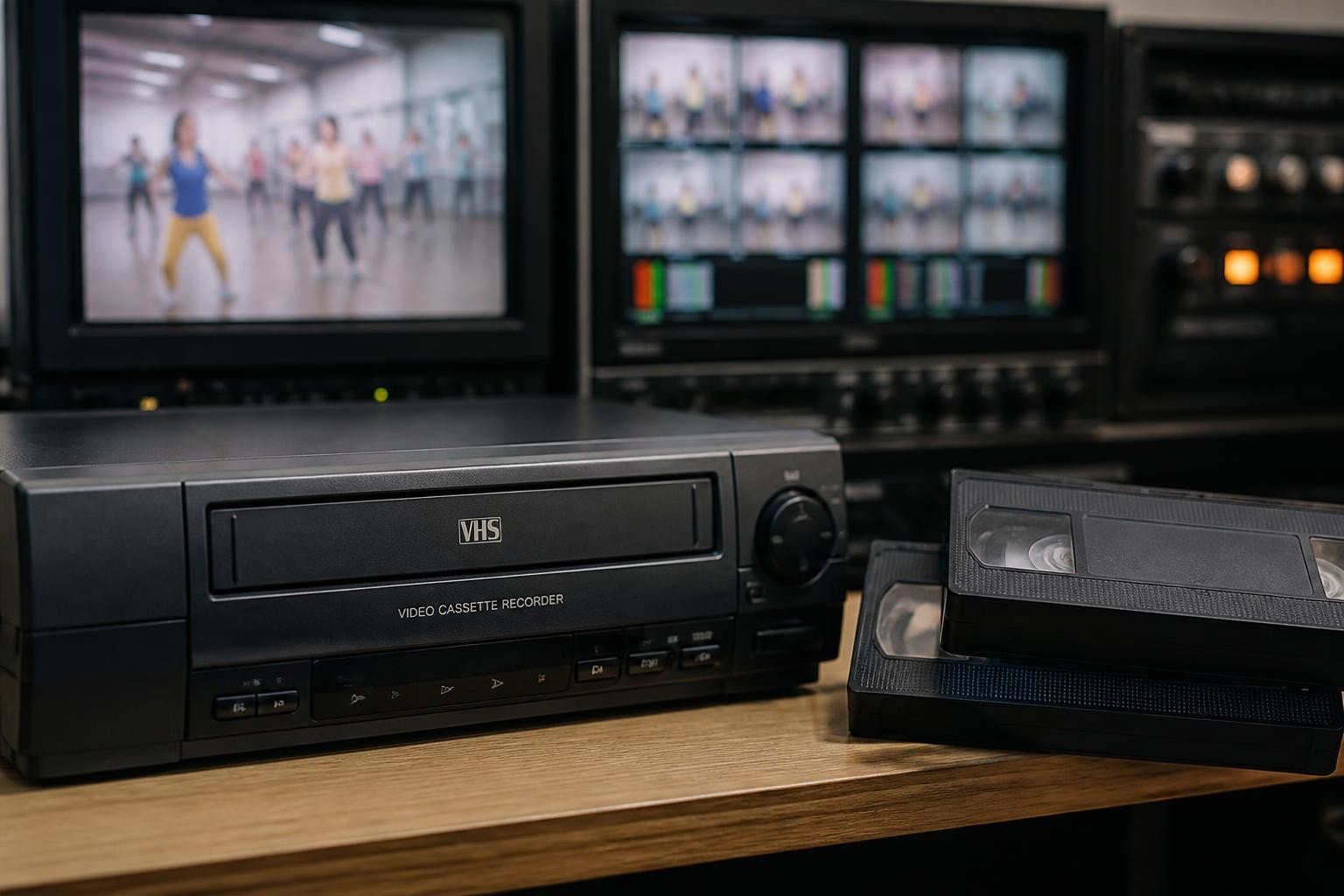
The vhs cassette recorder revolutionized home entertainment in the late 1970s and remains an essential piece of equipment for digitization professionals, archivists, and media preservation specialists in 2026. While consumer production ceased decades ago, these analog workhorses continue to serve critical roles in transferring historical footage, preserving family memories, and converting commercial archives to digital formats. Understanding the technical specifications, maintenance requirements, and operational best practices for VHS equipment enables digitization shops and preservation facilities to deliver high-quality results while maximizing equipment lifespan.
Understanding VHS Cassette Recorder Technology
The vhs cassette recorder operates through a helical scan recording system that records diagonal tracks across magnetic tape at precise angles. This engineering approach, which emerged victorious in the format war against Betamax, allowed VHS to achieve longer recording times on standard cassettes. The Video Home System standard uses 1/2-inch tape moving at 1.31 inches per second in standard play mode, capturing 240 horizontal lines of resolution.
Professional-grade VHS decks differ substantially from consumer models in build quality, head durability, and feature sets. Broadcast-quality units incorporate features such as TBC (time base correction), frame-accurate editing capabilities, and superior audio circuits that maintain signal integrity during playback.
Key Components and Their Functions
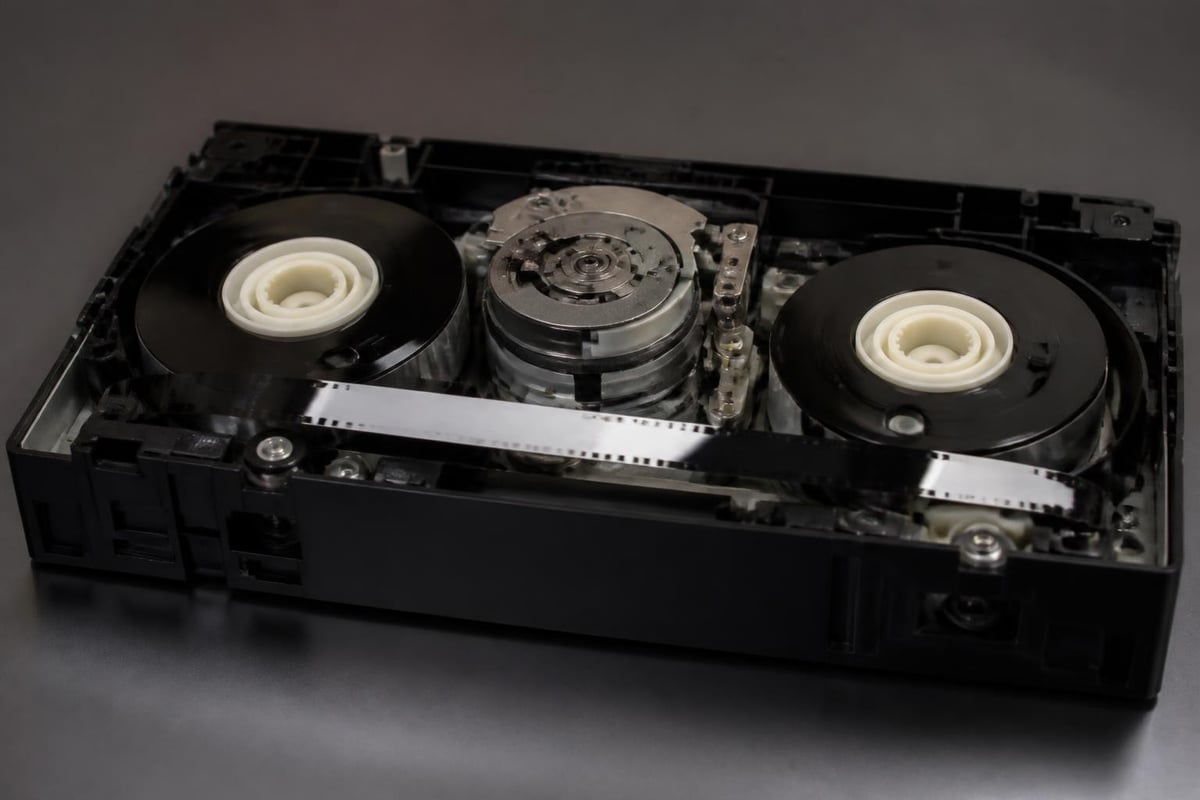
Every vhs cassette recorder contains several critical subsystems that work together to reproduce recorded content:
- Video heads: Rotating drum assembly that reads magnetic patterns from tape
- Capstan and pinch roller: Precision transport mechanism maintaining consistent tape speed
- Audio/control head: Stationary head reading linear audio and control tracks
- Loading mechanism: Automated system that threads tape around the drum assembly
- Tuner section: RF modulator/demodulator for antenna input and channel selection (consumer models)
The video head drum rotates at 1,800 RPM in NTSC systems, creating the characteristic diagonal track pattern. Head wear represents the primary failure point in aging equipment, with professional use accelerating degradation. Regular inspection and timely replacement prevent signal dropout and tracking errors that compromise digitization quality.
| Component | Typical Lifespan | Replacement Cost |
|---|---|---|
| Video heads | 1,500-2,000 hours | $150-$400 |
| Pinch roller | 3,000-5,000 hours | $25-$60 |
| Drive belts | 5-10 years | $15-$40 |
| Capstan motor | 10,000+ hours | $200-$500 |
Professional Applications in Digitization Workflows
Digitization facilities rely on vhs cassette recorder equipment to process client tapes ranging from wedding videos to corporate training materials. The National Archives recommends specific playback standards to ensure faithful reproduction during transfer. Professional workflows typically incorporate S-VHS decks for higher-quality source material, though standard VHS playback remains essential for the vast majority of consumer tapes.
Commercial digitization operations process thousands of tapes annually, requiring robust equipment that maintains performance under continuous use. Rental programs provide cost-effective access to professional-grade decks without the capital investment, particularly valuable for facilities experiencing seasonal demand fluctuations or specialized project requirements. Starting at accessible monthly rates, VCR leasing options enable shops to scale capacity based on actual workload.
Selecting the Right Equipment for Your Facility
Different VHS formats require format-specific playback equipment:
- Standard VHS: Consumer and prosumer decks handle the majority of archive material
- S-VHS: Super VHS tapes demand S-VHS-compatible decks for full resolution playback
- VHS-C: Compact format requires adapter or dedicated VHS-C deck
- D-VHS: Digital VHS format needs specific D-VHS equipment (rare in most workflows)
Professional facilities often maintain multiple deck types to accommodate diverse client needs. The S-VHS format delivers approximately 400 horizontal lines of resolution, nearly doubling standard VHS quality when properly captured.
Maintenance Protocols for Extended Equipment Life
Systematic maintenance distinguishes professional operations from amateur setups. A vhs cassette recorder subjected to regular cleaning, adjustment, and inspection delivers consistent results across thousands of playback hours. Preventive maintenance costs significantly less than emergency repairs and minimizes costly downtime during peak production periods.
Daily and Weekly Maintenance Tasks
Daily operations should include basic cleaning and inspection routines:
- Head cleaning: Use appropriate cleaning cassette or manual cleaning with chamois swabs
- Tape path inspection: Check for oxide buildup on guides and rollers
- Audio/video output verification: Confirm signal quality using test tape
- Mechanical function test: Verify smooth loading, playback, and ejection
Weekly maintenance expands to include lubricant application on mechanical components and detailed inspection of drive belts. Oxide accumulation on video heads creates dropout and tracking issues, while contaminated pinch rollers cause speed variations that manifest as audio pitch fluctuations.
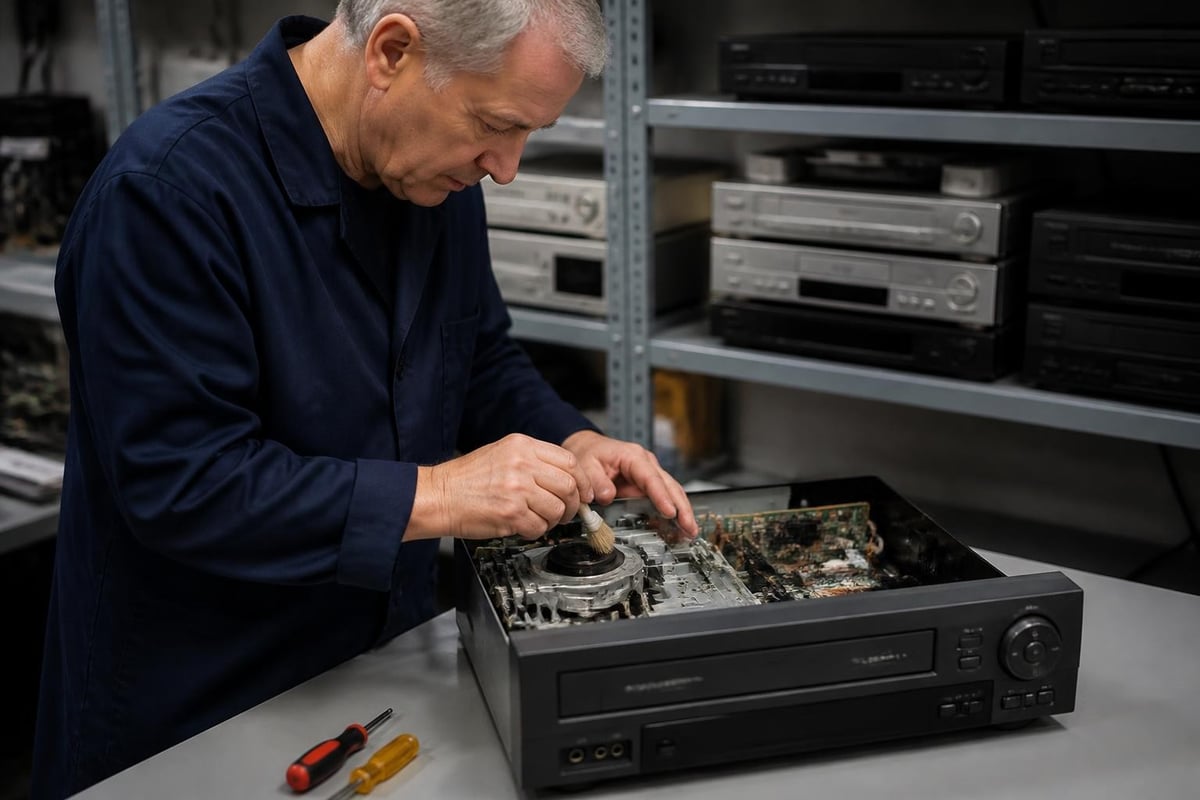
Professional VCR maintenance contracts establish scheduled service intervals that prevent minor issues from escalating into major failures. Regular calibration ensures optimal tracking, color accuracy, and audio levels throughout equipment lifespan.
Troubleshooting Common VHS Playback Issues
Digitization professionals encounter recurring problems that impact output quality. Recognizing symptoms and implementing appropriate solutions maintains production schedules and client satisfaction. Most issues trace back to worn mechanical components, contaminated tape paths, or aged tapes rather than electronic failures.
| Symptom | Likely Cause | Solution |
|---|---|---|
| Snowy picture with lines | Clogged video heads | Clean heads with approved solution |
| Picture rolls vertically | Tracking error | Adjust tracking control or check CTL head |
| Muffled/distorted audio | Dirty audio/control head | Clean audio head assembly |
| Tape eats/wrinkles | Pinch roller hardening | Replace pinch roller and idler tire |
| No picture, audio OK | Video head failure | Professional head replacement required |
The Canadian Conservation Institute recommends specific technical parameters for archival digitization, including resolution targets, color space specifications, and container formats. Meeting these standards requires properly functioning equipment maintained to manufacturer specifications.
When Professional Repair Becomes Necessary
Complex repairs exceed the scope of routine maintenance. Head replacement, capstan motor rebuilding, and circuit board repairs require specialized tools and expertise. Professional VCR repair services provide diagnostic assessment, parts sourcing, and certified technician labor that restores equipment to factory specifications.
Diagnostic fees typically begin around $45, allowing technicians to identify specific failure points before committing to repair costs. This approach prevents unnecessary spending on equipment that may prove economically unrepairable. Vintage decks with discontinued parts present particular challenges, though experienced repair facilities maintain component inventories salvaged from donor units.
Optimizing VHS Digitization Quality
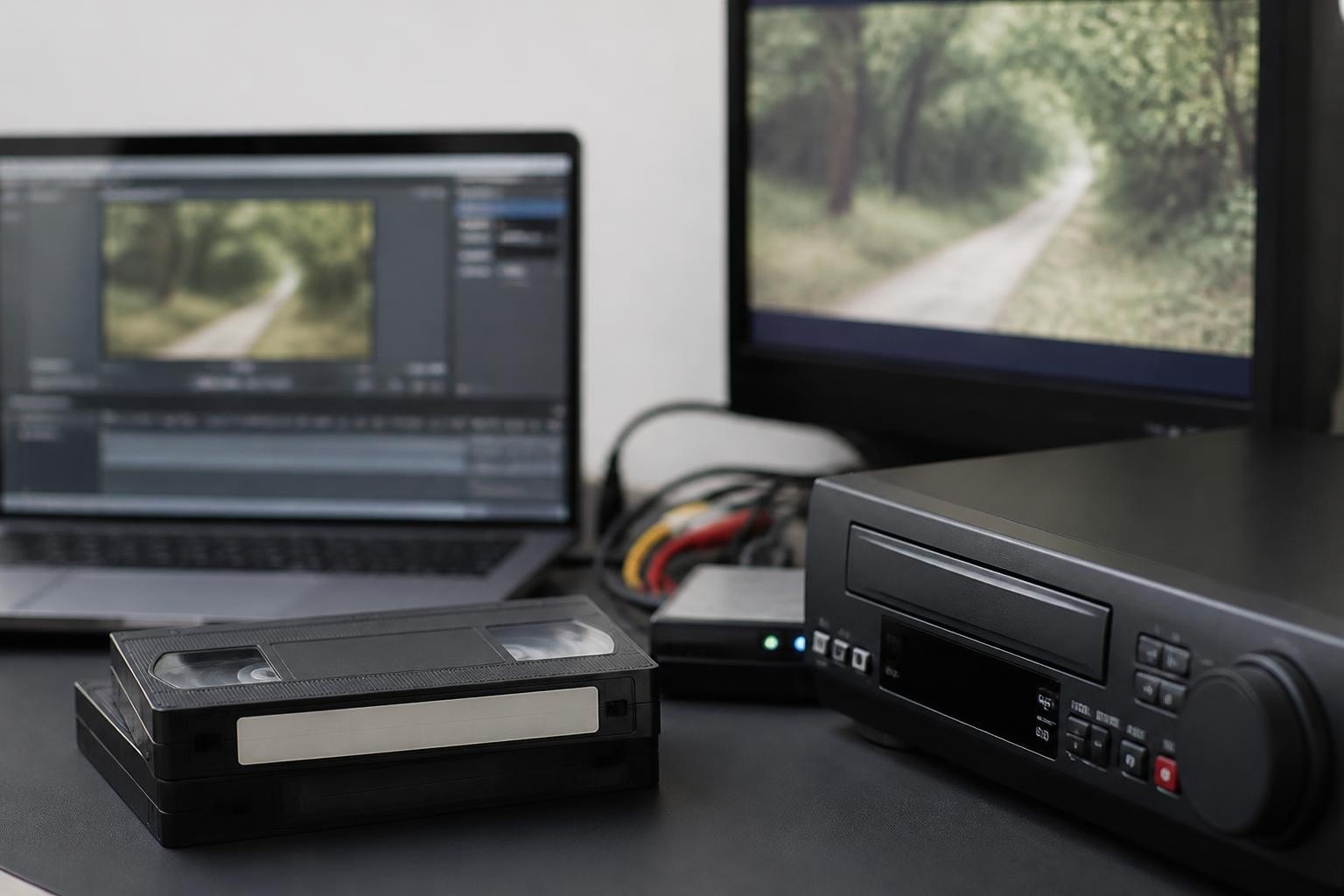
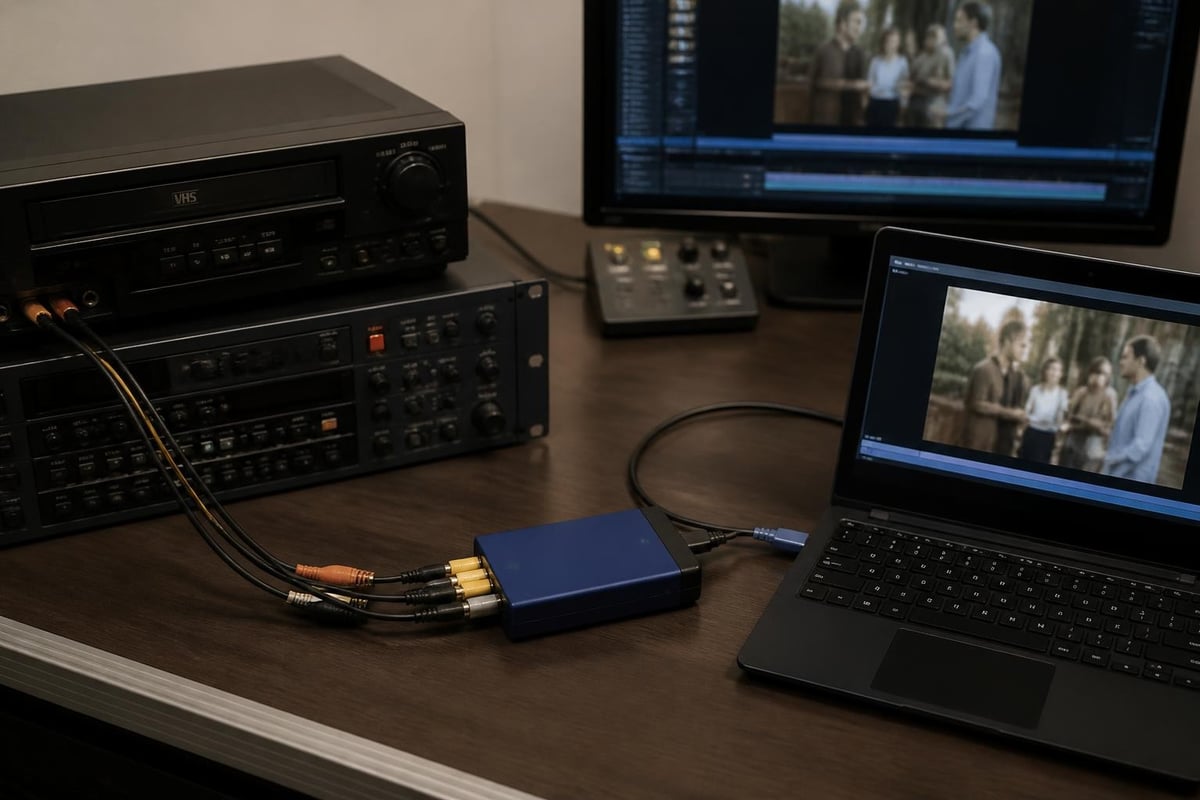
A vhs cassette recorder serves as the crucial first link in the digitization chain. Superior playback equipment cannot compensate for degraded tape stock, but inferior equipment absolutely compromises even pristine source material. Professional digitization demands attention to signal path integrity from playback head through analog-to-digital conversion.
Time base correction addresses inherent instabilities in VHS playback, stabilizing the video signal before digital capture. Professional decks incorporate built-in TBC, while standalone units process output from consumer equipment. Without TBC, digital captures exhibit jitter, color shifting, and frame synchronization problems that degrade final output quality.
Signal Chain Best Practices
Optimal results require careful attention to every connection point:
- Use high-quality cables with proper impedance (75-ohm for video)
- Minimize cable lengths to reduce signal degradation
- Clean all connectors before establishing connections
- Monitor output levels using calibrated waveform monitor
- Capture at maximum practical resolution (typically 720×480 for NTSC)
Professional workflows incorporate test signals and reference tapes to establish baseline performance. Regular comparison against known-good sources identifies degradation before it impacts client deliverables. The Association of Moving Image Archivists provides comprehensive guidance on preservation standards and quality control procedures.
Equipment Rental vs. Purchase Considerations
Digitization shops face strategic decisions about equipment acquisition. Capital investment in professional vhs cassette recorder inventory ties up resources that might serve better purposes elsewhere in the business. Rental programs offer flexibility, allowing facilities to access specific equipment for defined project periods without long-term commitment.
Monthly rental rates starting at $99 provide access to maintained, calibrated equipment backed by technical support. This model particularly benefits facilities with variable workloads, seasonal business patterns, or specialized format requirements that don't justify permanent inventory.
Financial Analysis for Equipment Decisions
Consider these factors when evaluating rental versus purchase:
- Project duration: Short-term projects favor rental; ongoing production may justify purchase
- Equipment diversity: Rental enables format-specific deck access without inventory overhead
- Maintenance responsibility: Rental programs include maintenance; purchases require service budgets
- Technology obsolescence: Rental eliminates depreciation and disposal concerns
- Cash flow impact: Rental converts capital expense to predictable operational expense
Professional-grade S-VHS decks commanded premium prices during their production era, and functional units retain significant value in the used market. However, parts scarcity and repair complexity increase ownership costs as equipment ages. Format-specific rental options provide immediate access to properly functioning equipment without the gamble of purchasing aging technology.
Format Preservation and Long-Term Access
Museums, libraries, and institutional archives maintain extensive VHS collections that require ongoing playback capability. As UCLA Film & Television Archive notes, home video formats demand special handling and digitization for long-term preservation. The vhs cassette recorder population continues to decline, making equipment availability a critical concern for preservation institutions.
Magnetic tape degrades over time through multiple mechanisms. Binder hydrolysis affects certain tape formulations, causing sticky shed syndrome that deposits oxide residue throughout the tape path. Temperature and humidity fluctuations accelerate deterioration, while repeated playback wears both tape and playback equipment.
Building Preservation-Grade Workflows
Institutional preservation requires systematic approaches to format migration:
- Inventory assessment identifying formats, quantities, and condition grades
- Prioritization based on content value, condition, and format risk
- Equipment acquisition or rental to match collection requirements
- Quality control protocols ensuring faithful capture
- Metadata creation linking digital files to original physical objects
Commercial digitization facilities serve preservation institutions by providing professional-grade equipment and experienced operators. Understanding archival digitization standards from organizations like SMPTE enables facilities to meet institutional requirements for deliverable specifications.
Future-Proofing Your Digitization Operation
The vhs cassette recorder market contracted dramatically as consumer demand disappeared, yet professional applications sustain ongoing equipment requirements. Smart operators build resilient businesses that adapt to changing technology landscapes while maintaining capability to service legacy formats.
Parts inventory management represents a critical success factor. Strategic stockpiling of consumables (belts, rollers, cleaning supplies) and common failure items (video heads, motors, circuit components) prevents project delays caused by parts unavailability. Establishing relationships with equipment refurbishers and parts suppliers provides access to increasingly scarce components.
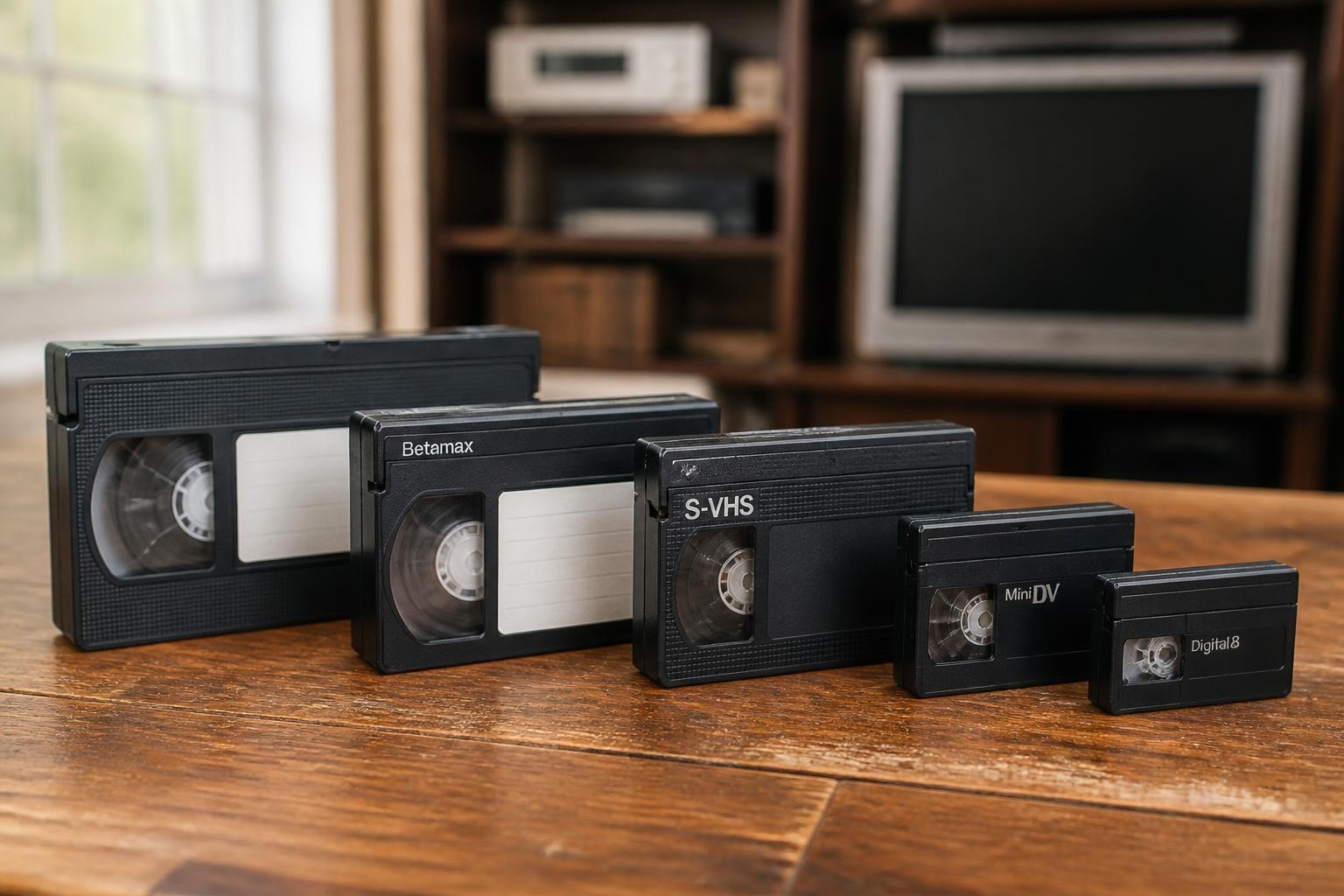
Cross-training technical staff across multiple formats creates operational flexibility. Technicians proficient in MiniDV, Digital8, and Betamax formats alongside VHS can shift resources based on project demands. This versatility maximizes equipment utilization and staff productivity.
Technology Migration Strategies
Forward-thinking facilities prepare for eventual VHS equipment obsolescence:
- Document current workflows and equipment specifications
- Research emerging playback technologies and emulation solutions
- Build digital preservation infrastructure for captured content
- Develop client communication strategies about format limitations
- Diversify service offerings to include newer digital formats
Market consolidation continues as smaller competitors exit the digitization industry. Facilities that maintain comprehensive format support, professional equipment, and quality standards capture market share from departing competitors. Equipment reliability directly impacts customer satisfaction and operational profitability.
Professional Equipment Sources and Support
Reliable vhs cassette recorder sourcing becomes increasingly challenging as manufacturing ceased and used inventory depletes. Digitization professionals require suppliers who understand commercial applications, maintain equipment to professional standards, and provide responsive technical support when issues arise.
Specialized equipment suppliers stock tested, serviced units appropriate for commercial use. Unlike consumer resale markets, professional suppliers verify mechanical condition, replace worn components, and calibrate equipment before deployment. This preparation minimizes failure risk and ensures consistent performance under commercial workloads.
Technical support distinguishes professional equipment sources from commodity suppliers. When production deadlines loom and equipment malfunctions, access to knowledgeable support staff who understand the technology and can guide troubleshooting procedures proves invaluable. Rental agreements that include support services transfer technical risk from operator to supplier.
Professional vhs cassette recorder operation demands technical knowledge, systematic maintenance, and quality equipment to deliver consistent results. Whether processing archival collections or commercial digitization projects, properly maintained VHS playback capability remains essential for accessing decades of analog content. VCR Supply provides digitization facilities with rental and repair services for professional videotape equipment, including VHS, S-VHS, MiniDV, Digital8, and Betamax formats, backed by experienced technical support and maintenance programs that minimize downtime and maximize operational efficiency.