Sony VHS Cassette: Professional Guide for Digitization
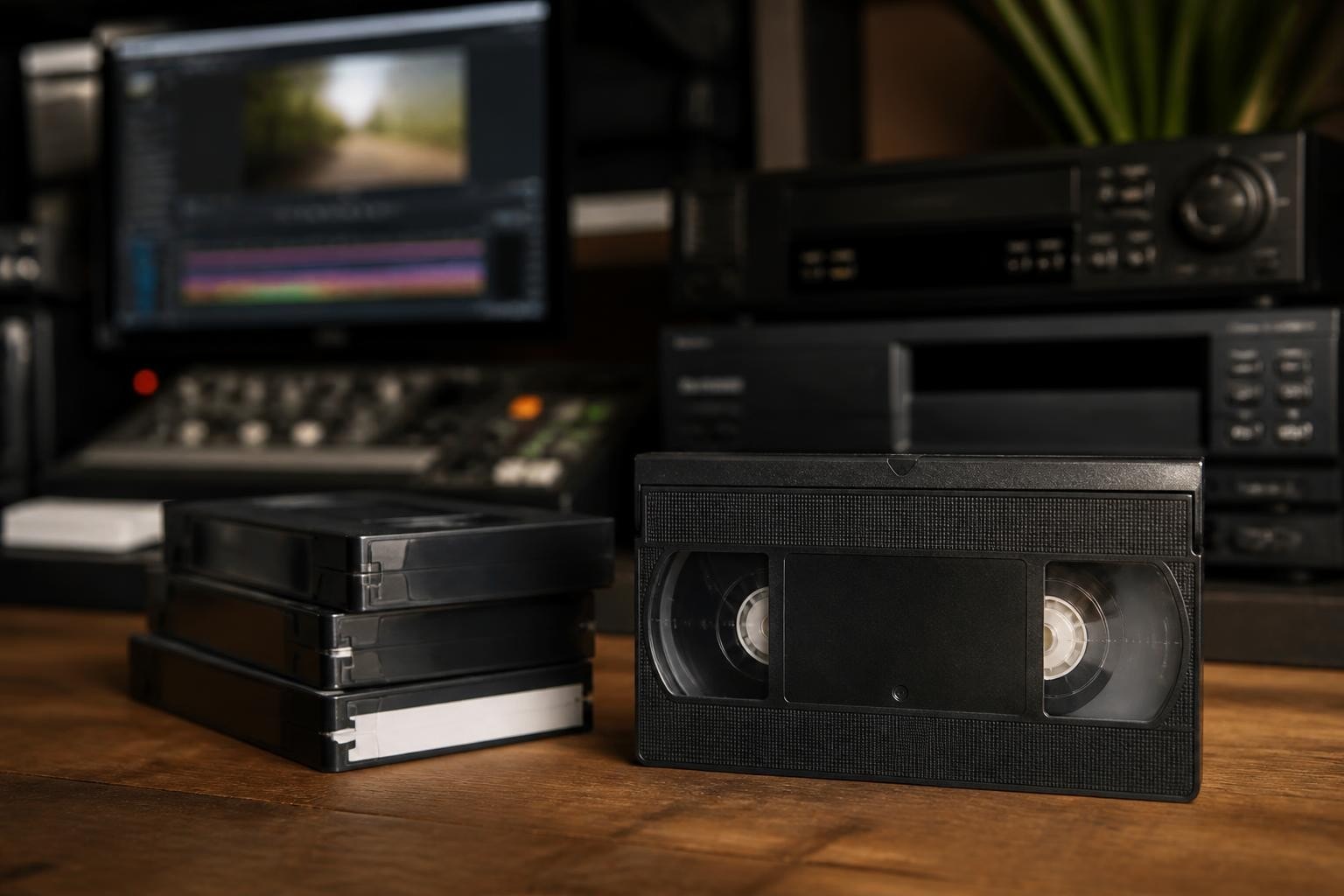
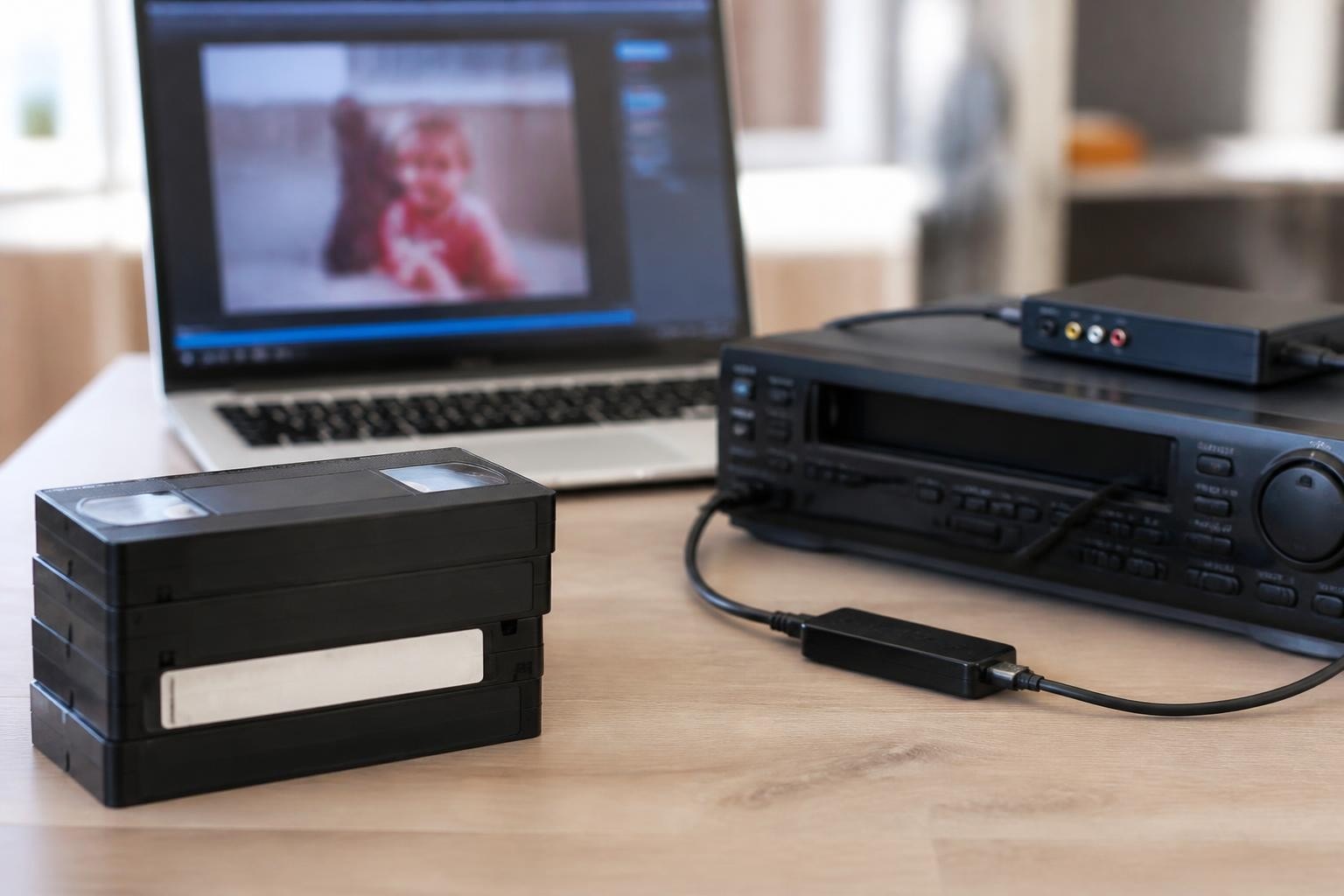
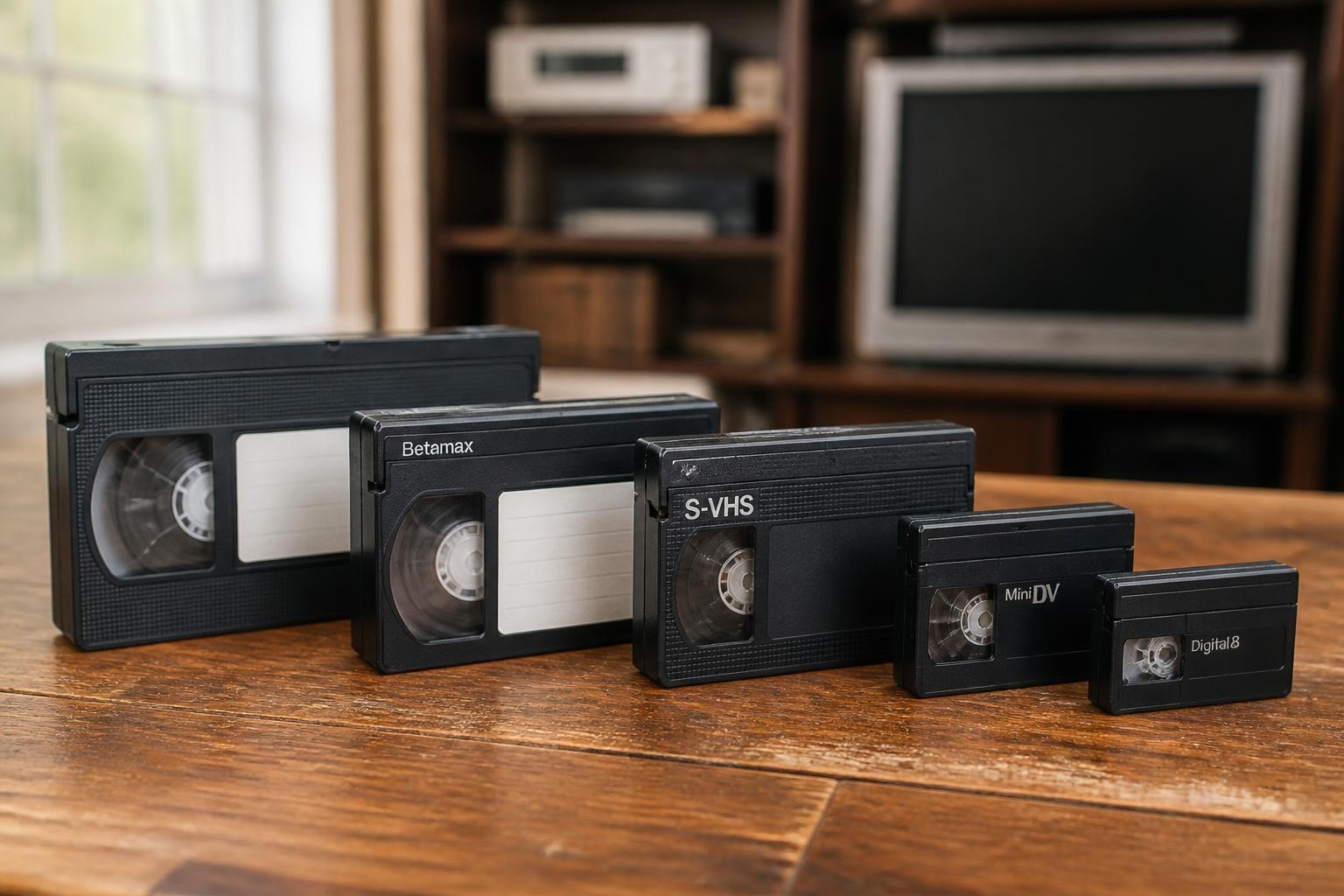
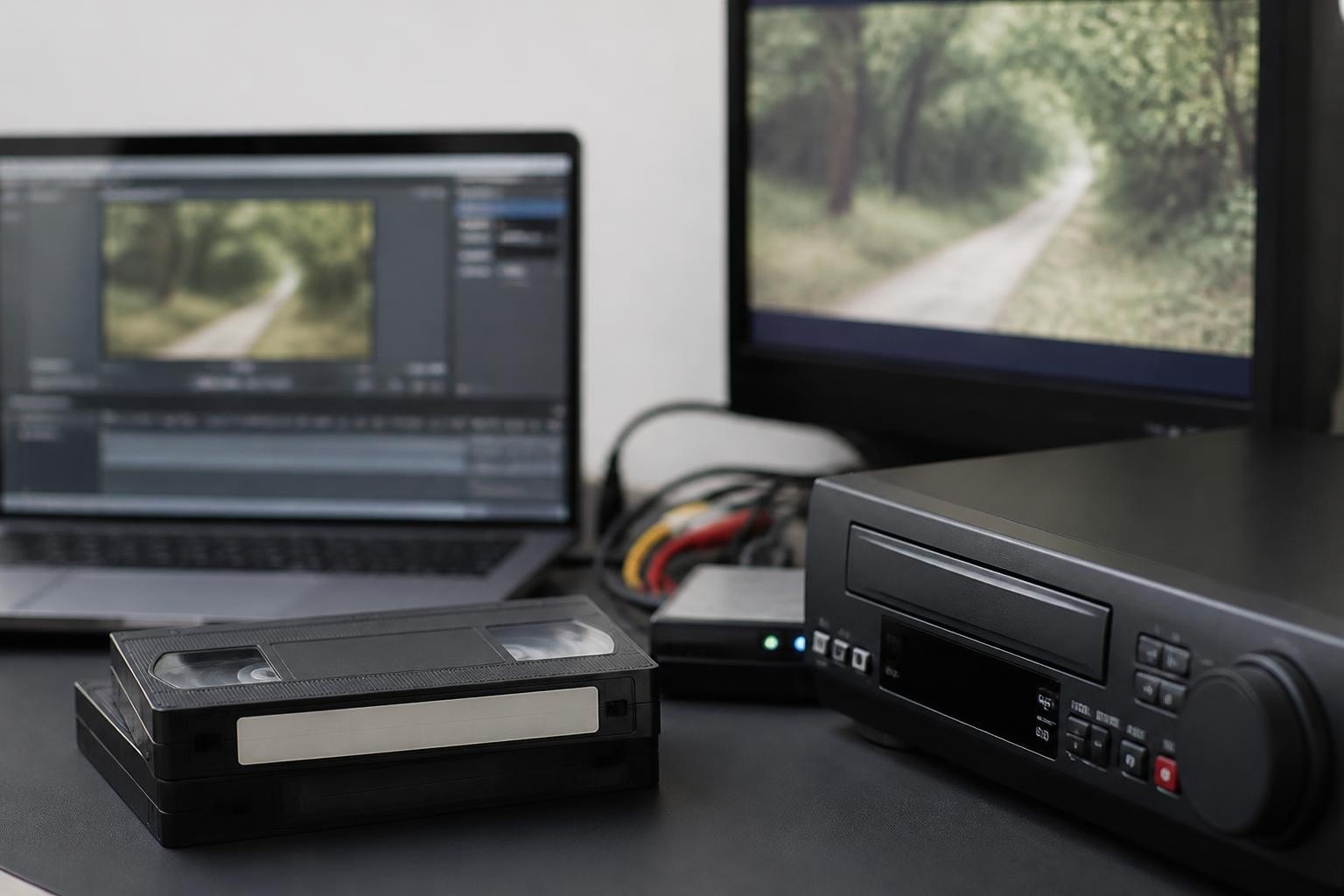
The sony vhs cassette represents one of the most successful consumer video formats in history, dominating home entertainment from the 1980s through the early 2000s. For digitization professionals and archival specialists, understanding the technical specifications, preservation requirements, and playback equipment needs for Sony's VHS cassette line remains essential in 2026. Sony manufactured millions of these cassettes across multiple quality tiers, each with distinct characteristics that impact both playback quality and long-term preservation strategies. This comprehensive guide examines the sony vhs cassette from a professional perspective, addressing the equipment, maintenance, and technical considerations that digitization shops face when working with these legacy formats.
Technical Specifications of Sony VHS Cassettes
Sony produced VHS cassettes under several product lines, each designed for specific recording applications and quality requirements. The standard sony vhs cassette used half-inch magnetic tape wound between two spools inside a plastic shell measuring 187mm × 103mm × 25mm. Recording density and oxide formulation varied significantly across Sony's product tiers.
Tape Formulation and Oxide Types
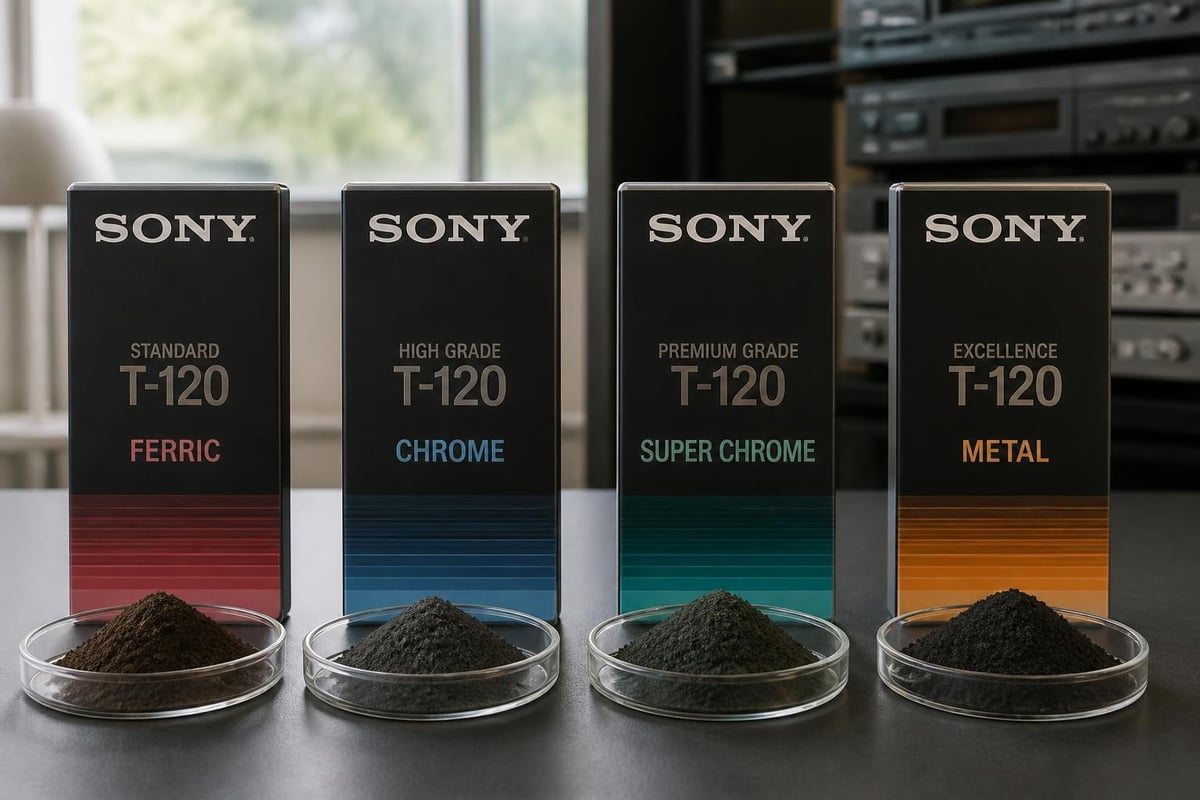
Sony's VHS cassette lineup included standard oxide, high-grade, and metal-particle formulations. The entry-level cassettes used gamma ferric oxide, while premium lines incorporated cobalt-modified ferric oxide or metal evaporated particles for enhanced frequency response and signal-to-noise ratio.
Key formulation differences:
- Standard grade: Gamma ferric oxide with 240-250 Oersted coercivity
- High grade: Cobalt-doped oxide reaching 280-300 Oersted
- Metal particle: Evaporated metal films achieving 320+ Oersted
- Professional series: Enhanced binder systems for improved durability
The magnetic properties directly affect playback requirements for digitization work. Metal particle tapes demand properly calibrated playback heads and precisely maintained azimuth alignment to extract maximum signal quality. Many digitization professionals working with VHS format materials require specialized equipment capable of handling these variations.
Professional Applications and Recording Grades
The sony vhs cassette served both consumer and semi-professional markets, with distinct product lines addressing different recording scenarios. Understanding these categories helps digitization shops optimize their equipment selection and workflow planning.
| Grade Category | Typical Use Case | Recording Time (SP) | Oxide Type | Professional Features |
|---|---|---|---|---|
| Standard | Consumer recording | 120-160 min | Ferric oxide | Basic shell construction |
| High Grade | Home video, archival | 120-180 min | Cobalt ferric | Improved binder, precision hubs |
| Professional | Broadcast insert, editing | 120-160 min | Metal particle | Reinforced shell, precision-ground oxide |
| Archival | Long-term storage | 120 min | Enhanced ferric | Low-dropout formulation, protective leader |
Sony's professional-grade VHS cassettes featured precision manufacturing tolerances that reduced tape-to-head spacing variations. These cassettes incorporated metal guide rollers, anti-static shells, and enhanced lubrication systems that extended both tape and deck lifespan. The British Film Institute's videotape overview documents how these manufacturing improvements addressed early VHS reliability concerns.
Industrial and Duplication Applications
Beyond consumer recording, the sony vhs cassette played a significant role in industrial video distribution and corporate training programs. High-speed duplication facilities required cassettes with oxide formulations capable of withstanding multiple high-speed passes without shedding or layer-to-layer transfer.
Sony addressed these requirements through specialized product lines featuring:
- Pre-lubricated tape surfaces reducing friction during high-speed duplication
- Enhanced back-coating preventing static buildup and cinching
- Precision-wound tape packs minimizing edge damage
- Quality-controlled shells with tight dimensional tolerances
Equipment Considerations for Professional Playback
Digitization professionals must match playback equipment to the specific characteristics of each sony vhs cassette type. Standard consumer VCRs lack the precision alignment and signal processing capabilities necessary for optimal transfer of premium-grade cassettes.
Deck Selection and Calibration Requirements
Professional and semi-professional VHS decks offer critical advantages when digitizing Sony cassette collections. These machines provide adjustable tracking, manual audio level controls, and time-base correction that consumer units omit.
Essential deck features for professional digitization:
- Four-head design enabling clean still-frame capture
- Flying erase heads preventing rainbow artifacts during editing
- Adjustable video and audio output levels
- TBC (time-base corrector) for stable signal output
- S-VHS compatibility for higher-grade cassette playback
The S-VHS format equipment often provides superior playback quality even for standard VHS cassettes due to enhanced head assemblies and signal processing. Many facilities maintain both standard VHS and S-VHS decks to accommodate various cassette grades encountered in archival projects.
Digitization shops processing high volumes benefit from VCR rental services that provide access to professionally maintained decks without the capital investment and ongoing maintenance burden of ownership. Rental agreements starting at $99 monthly allow facilities to scale equipment availability based on project demands.
Preservation and Storage Best Practices
The longevity of any sony vhs cassette depends heavily on environmental controls and proper handling procedures. Magnetic tape remains vulnerable to temperature fluctuations, humidity extremes, and physical stress that accelerate oxide degradation and binder breakdown.
Environmental Control Parameters
The Library of Congress preservation guidance establishes specific parameters for magnetic media storage that directly apply to VHS cassette preservation. These standards reflect decades of research into magnetic tape aging mechanisms.
Optimal storage conditions include:
- Temperature: 65-70°F (18-21°C) with minimal daily variation
- Relative humidity: 30-40% maintained year-round
- Air quality: Filtered environment removing particulates and chemical pollutants
- Light exposure: Complete darkness or very low-level incandescent lighting only
- Magnetic field isolation: Minimum 3-foot separation from electromagnetic sources
Temperature fluctuations cause tape pack expansion and contraction, creating physical stress on the oxide layer and backing film. The sony vhs cassette shell provides minimal environmental protection, making external storage conditions critically important for long-term preservation.
Physical Handling and Inspection Protocols
Before digitizing any sony vhs cassette, visual inspection reveals potential playback issues and preservation concerns. Experienced technicians examine both the external shell and tape condition when accessible.
Pre-digitization inspection checklist:
- Shell integrity: Check for cracks, warping, or loose components
- Tape pack condition: Verify even winding without cinching or edge damage
- Leader and end-of-tape flags: Confirm proper attachment and condition
- Window inspection: Look for visible oxide shedding or debris
- Label information: Document recording date, content description, and previous playback history
Physical damage to the sony vhs cassette shell often indicates rough handling or storage in unstable conditions. Cracked shells require careful transfer to new housings before playback, while severely damaged tape may need professional restoration before digitization attempts.
Common Degradation Modes and Technical Challenges
Even properly stored Sony VHS cassettes experience gradual degradation as magnetic particles lose coercivity and binder systems age. Understanding these failure modes helps digitization professionals anticipate technical challenges and adjust workflows accordingly.
Sticky Shed Syndrome and Binder Hydrolysis
Certain sony vhs cassette formulations from specific manufacturing periods prove susceptible to binder hydrolysis, where polyurethane binders absorb moisture and become tacky. This condition, commonly called "sticky shed syndrome," prevents normal playback and risks severe head clogging.
| Degradation Type | Symptoms | Treatment Options | Success Rate |
|---|---|---|---|
| Sticky shed | Squealing, head clogging, sticky residue | Controlled heating (48-72 hours at 125°F) | 80-90% temporary recovery |
| Oxide shedding | Brown deposits, signal dropout | Gentle cleaning, minimal fast-forward use | Variable, depends on severity |
| Backing degradation | Brittleness, cracking | None effective, immediate transfer priority | N/A - preventive only |
| Magnetic decay | Weak signal, color shifts | Enhanced signal processing during capture | Depends on remaining signal |
The National Archives digitization guidance provides detailed protocols for addressing degraded tapes during transfer projects. Professional digitization facilities maintain controlled-humidity chambers and dedicated playback decks for compromised cassettes to minimize cross-contamination risks.
Signal Loss and Playback Artifacts
As magnetic particles oxidize and lose magnetic strength, the sony vhs cassette produces progressively weaker output signals. Color information deteriorates faster than luminance data due to the higher carrier frequencies used for chroma encoding.
Typical age-related playback issues include:
- Color bleeding and desaturation
- Increased video noise and dropout frequency
- Tracking instability requiring constant adjustment
- Audio warble from tape stretch or capstan slippage
- Time-base errors exceeding digital capture equipment tolerances
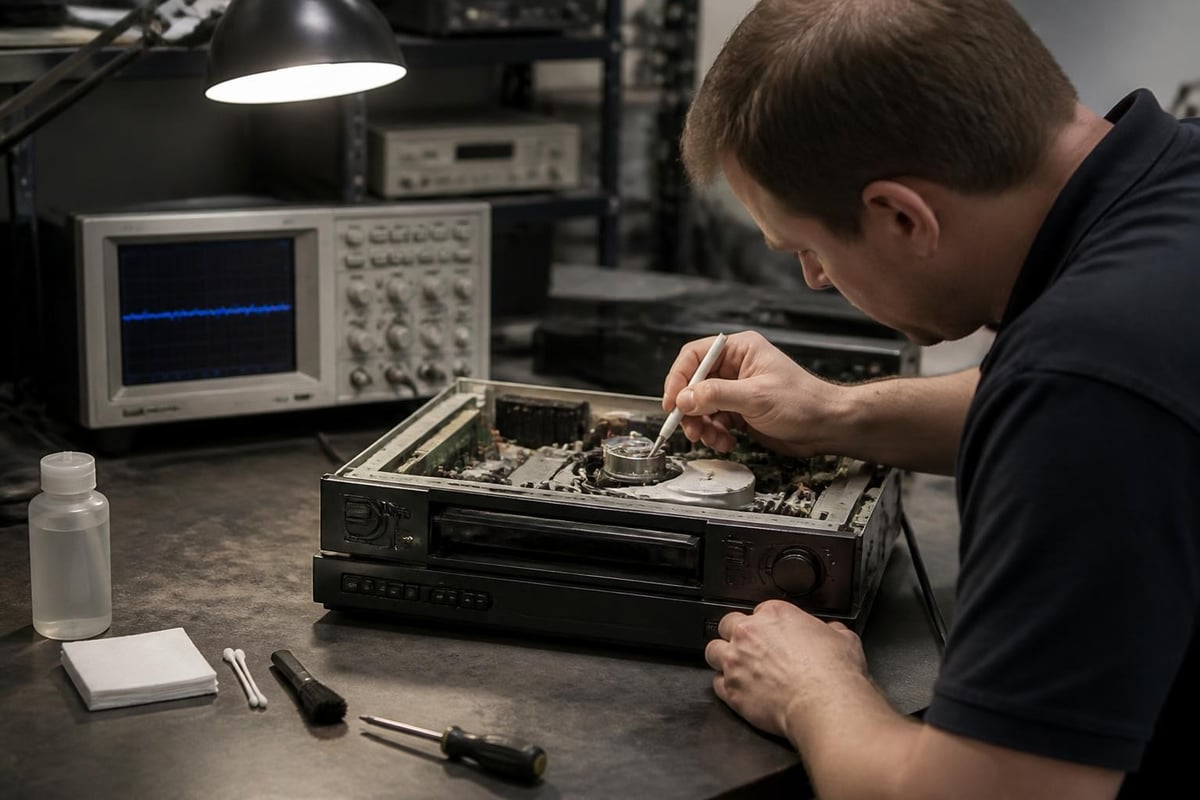
Professional VCR repair services become essential when maintaining equipment used for archival digitization work. Worn heads, misaligned guides, and degraded rubber components in aging VCRs compound the signal quality problems inherent in deteriorated cassettes.
Technical Documentation and Patent Innovations
Sony's engineering contributions to VHS cassette technology are documented in numerous technical patents and industry publications. The Google Patents record for Sony VHS service cassettes reveals the sophisticated mechanical engineering underlying even these "consumer-grade" products.
Cassette Shell Design and Manufacturing Precision
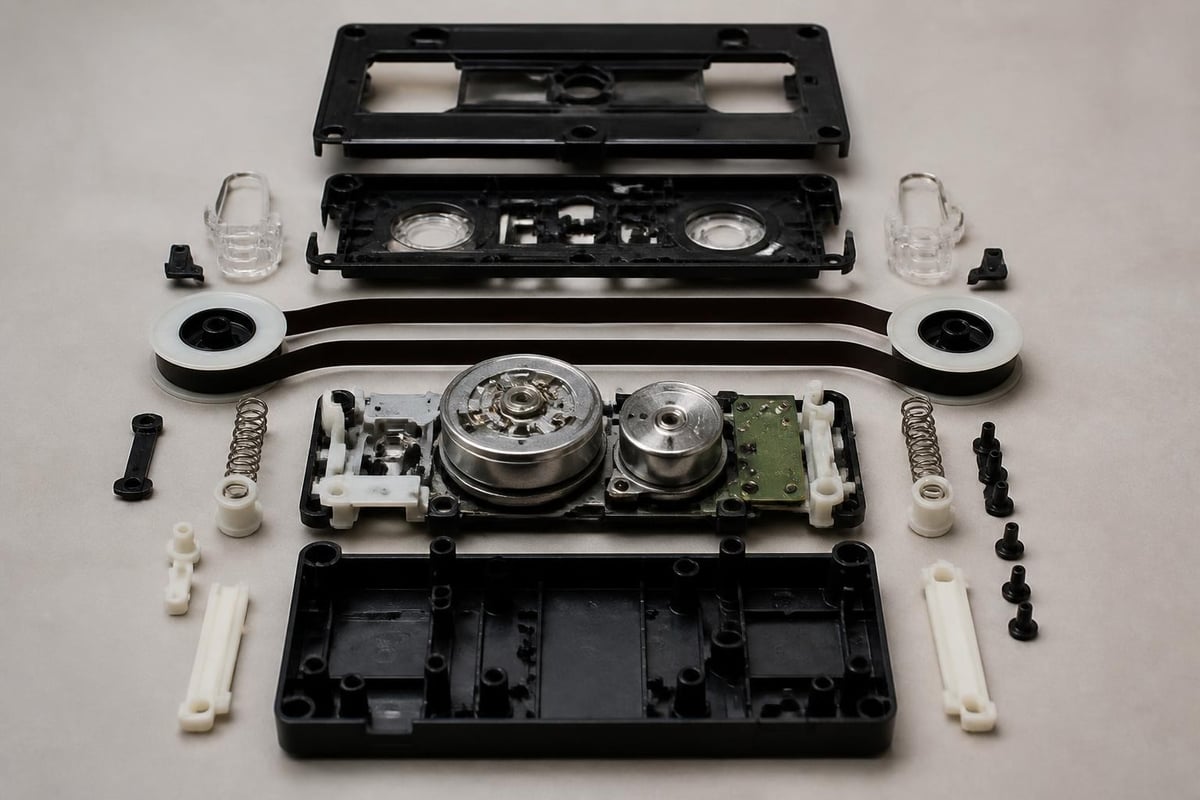
The sony vhs cassette shell incorporated multiple precision components working together to maintain proper tape tension and guide alignment during playback. Injection-molded ABS plastic housings contained precisely positioned metal guide posts, pressure pads, and spring-loaded brake mechanisms.
Manufacturing tolerances for critical dimensions reached 0.05mm to ensure compatibility across different VCR manufacturers while maintaining optimal tape-to-head contact. Sony's quality control processes included automated inspection systems verifying shell dimensions, tape tension, and guide post positioning before cassettes left the factory.
Digitization Workflow Optimization
Professional digitization facilities processing sony vhs cassette collections require systematic workflows balancing quality, throughput, and equipment longevity. Batch processing strategies, quality control checkpoints, and equipment rotation schedules all contribute to successful large-scale projects.
Equipment Configuration and Signal Chain Design
The signal path from tape to digital file determines final capture quality. Professional digitization shops configure multi-tier processing chains tailored to source material characteristics and target file specifications.
Optimal signal chain components:
- Professional VHS deck with TBC output
- External time-base corrector (for decks lacking integrated TBC)
- Proc amp for color and level correction
- A/D converter with appropriate codec support
- Capture software with quality monitoring capabilities
- RAID storage for immediate backup redundancy
Many facilities maintain separate equipment chains for different cassette grades, preventing cross-contamination between degraded archive materials and clean contemporary recordings. Dedicated "dirty deck" systems handle sticky shed cassettes and heavily used tapes that shed oxide debris.
Quality Control and Metadata Management
Each digitized sony vhs cassette requires documentation linking physical source materials to digital files. Comprehensive metadata capture supports long-term digital preservation and enables efficient content discovery.
Essential metadata elements include:
- Physical cassette identification number and source information
- Recording date range (if determinable)
- Tape formulation and grade
- Playback equipment used for transfer
- Capture settings (resolution, codec, bit rate)
- Observable degradation conditions
- Time-code reference for content segmentation
The National Archives preservation specifications provide standardized frameworks for documenting audiovisual digitization projects. These standards ensure captured metadata supports both immediate access needs and long-term preservation requirements.
Equipment Maintenance and Service Requirements
Consistent digitization quality from sony vhs cassette collections demands rigorous equipment maintenance schedules. Video head wear, capstan degradation, and guide misalignment all introduce artifacts that compromise transfer quality.
Preventive Maintenance Protocols
Professional VCR maintenance extends beyond basic head cleaning to include comprehensive mechanical inspection and adjustment. VCR maintenance contracts provide scheduled service intervals that prevent unexpected downtime during critical digitization projects.
Regular maintenance intervals:
| Component | Inspection Frequency | Typical Service Required | Impact on Playback |
|---|---|---|---|
| Video heads | Every 500 hours | Cleaning, demagnetizing | Direct image quality impact |
| Audio heads | Every 1000 hours | Cleaning, azimuth check | Audio clarity, separation |
| Capstan/pinch roller | Every 500 hours | Cleaning, pinch roller replacement | Speed stability, wow/flutter |
| Tape path guides | Every 1000 hours | Cleaning, alignment verification | Tracking, tension consistency |
| Mechanical belts | Every 2000 hours | Inspection, preventive replacement | Transport reliability |
Head wear from abrasive oxide formulations accumulates faster when processing older sony vhs cassette stock. Metal particle tapes prove particularly demanding, requiring more frequent head replacement than standard ferric oxide materials.
Format Migration and Digital Preservation Considerations
Digitizing sony vhs cassette collections represents the first step in comprehensive preservation strategies. Format migration decisions determine how accessible this content remains over decades as playback equipment becomes increasingly scarce.
File Format Selection and Codec Considerations
Preservation masters require uncompressed or losslessly compressed video to retain maximum signal information for future format migrations. Access copies balance file size against acceptable quality degradation for typical viewing scenarios.
Current best practices recommend:
- Preservation master: Uncompressed 10-bit 4:2:2 or FFV1 lossless codec
- Mezzanine format: ProRes 422 HQ or similar high-quality intermediate codec
- Access copy: H.264 or H.265 at appropriate bit rates for intended use
- Audio encoding: Uncompressed PCM for masters, AAC or FLAC for derivatives
The National Archives machine-readable media guidance addresses long-term storage requirements for digital video files derived from magnetic tape sources. These recommendations emphasize redundant storage, regular media migration, and comprehensive fixity checking.
Technical Specification Documentation
Future access to digitized sony vhs cassette content depends partly on comprehensive technical documentation accompanying digital files. Metadata schemas should capture both source material characteristics and digitization process parameters.
Critical technical specifications include:
- Source tape format, manufacturer, and grade designation
- Playback equipment make, model, and calibration status
- Analog signal specifications (IRE levels, chroma phase, etc.)
- Digital capture parameters (resolution, sample rate, bit depth)
- Processing applied (noise reduction, color correction, etc.)
- Quality issues observed during playback
- Operator notes on condition and content
Business Applications for Digitization Services
Organizations offering VHS digitization services face specific operational challenges balancing equipment costs, throughput requirements, and quality expectations. Understanding sony vhs cassette characteristics helps service providers price projects accurately and set realistic customer expectations.
Equipment Investment and Rental Strategies
Capital equipment acquisition represents significant upfront investment for digitization businesses. Professional VHS decks command premium prices in 2026 as manufacturing ceased years ago and remaining units require extensive refurbishment.
Professional deck rental provides flexible alternatives to ownership, particularly for facilities handling variable project volumes or requiring specialized equipment for specific cassette types. Rental agreements eliminate maintenance burden while ensuring access to properly calibrated playback equipment.
Cost comparison analysis:
- Purchase refurbished professional deck: $800-$2,500 depending on model and condition
- Annual maintenance and repair budget: $200-$500 for typical usage levels
- Monthly rental starting at: $99 with maintenance included
- Break-even calculation: 8-25 months depending on utilization rates
Project-based rental arrangements allow digitization shops to scale capacity during high-demand periods without maintaining idle equipment during slower months. This flexibility proves particularly valuable when processing large sony vhs cassette collections requiring multiple simultaneous playback stations.
Professional digitization of sony vhs cassette collections requires specialized equipment, systematic workflows, and comprehensive preservation planning that extends beyond simple playback and capture. Understanding the technical specifications, degradation mechanisms, and optimal handling procedures for these legacy formats ensures maximum quality extraction from aging magnetic media. Whether your facility processes occasional archive projects or maintains continuous digitization operations, access to properly maintained professional playback equipment remains essential for delivering quality results. VCR Supply provides rental and repair services for professional videotape decks, offering flexible monthly rental agreements starting at $99 and comprehensive maintenance support that keeps digitization projects on schedule and within budget.