VCR on Rent: Professional Video Deck Rentals for 2026
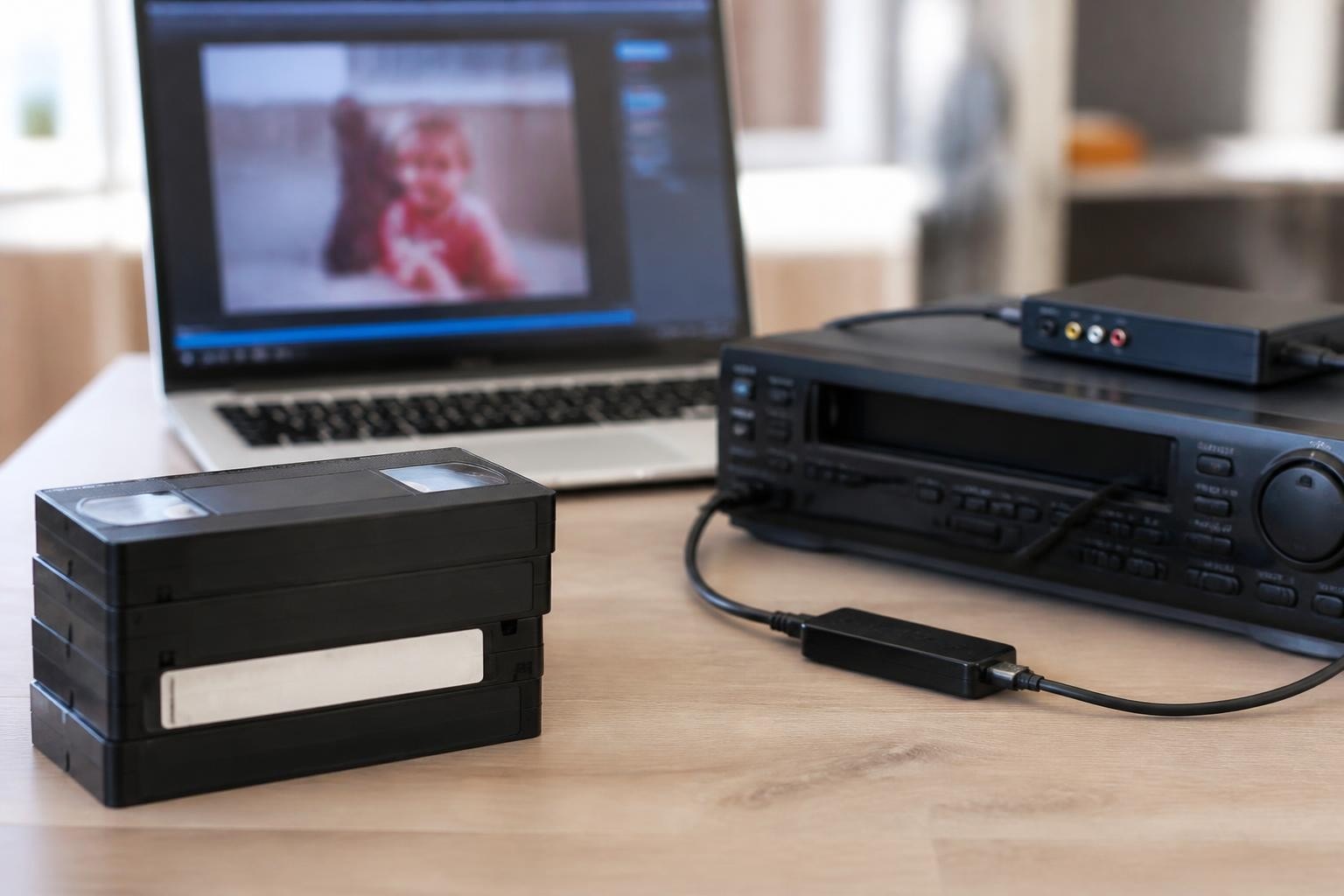
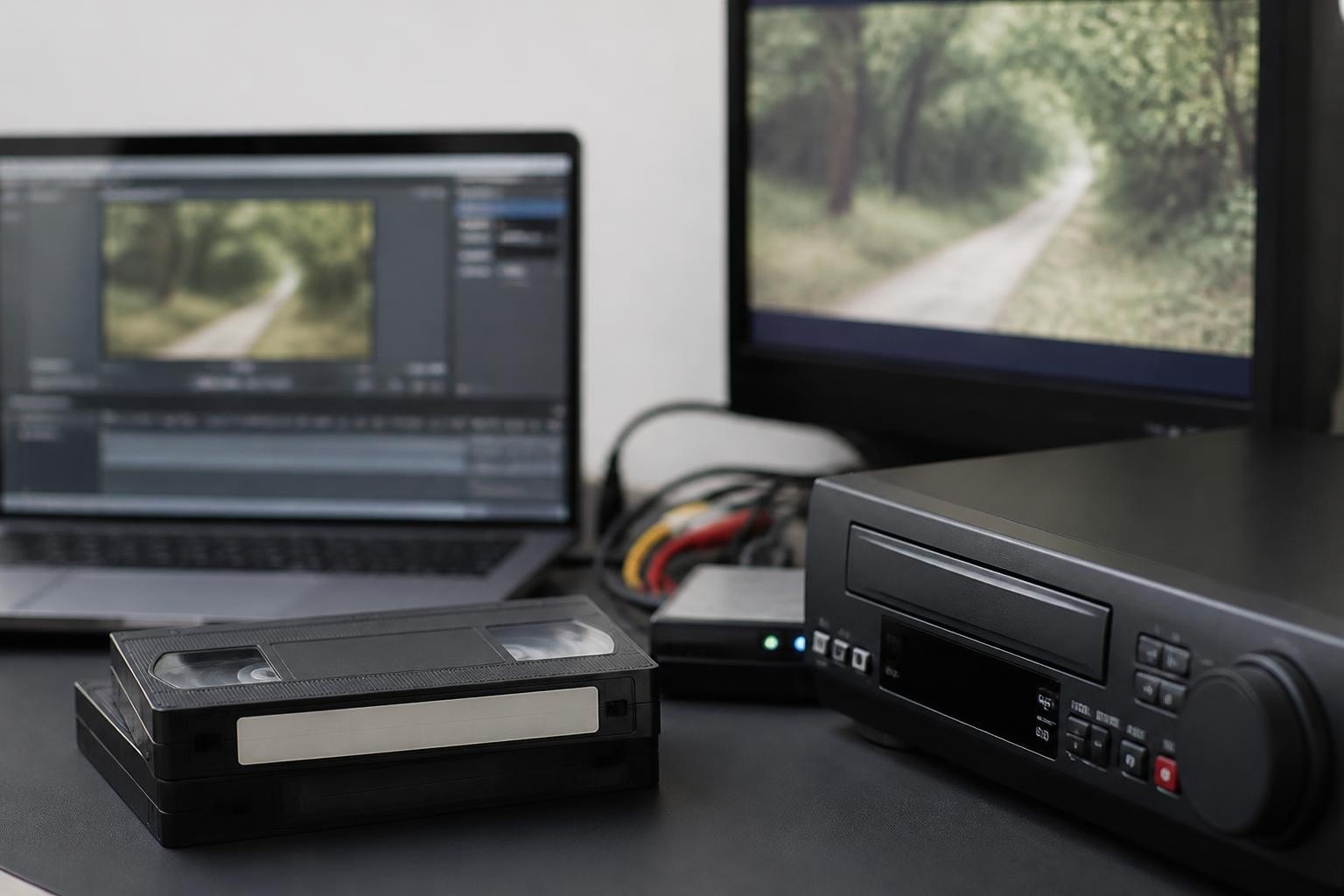
The demand for vintage videotape playback equipment remains strong in 2026, driven by digitization projects, archival work, and media preservation initiatives. For businesses and individuals who need temporary access to professional video decks without the commitment of purchasing aging technology, getting a vcr on rent offers a practical solution. Whether you're running a digitization shop, completing a one-time archival project, or serving clients with legacy media formats, rental options provide flexibility and cost savings compared to equipment ownership.
Understanding the Professional VCR Rental Market
The rental market for professional videotape decks differs significantly from consumer equipment availability. While consumer-grade VCRs have largely disappeared from retail channels, professional decks designed for broadcast and archival work continue to serve specialized markets. These units offer superior playback quality, TBC (time base correction), and format compatibility essential for high-quality transfers.
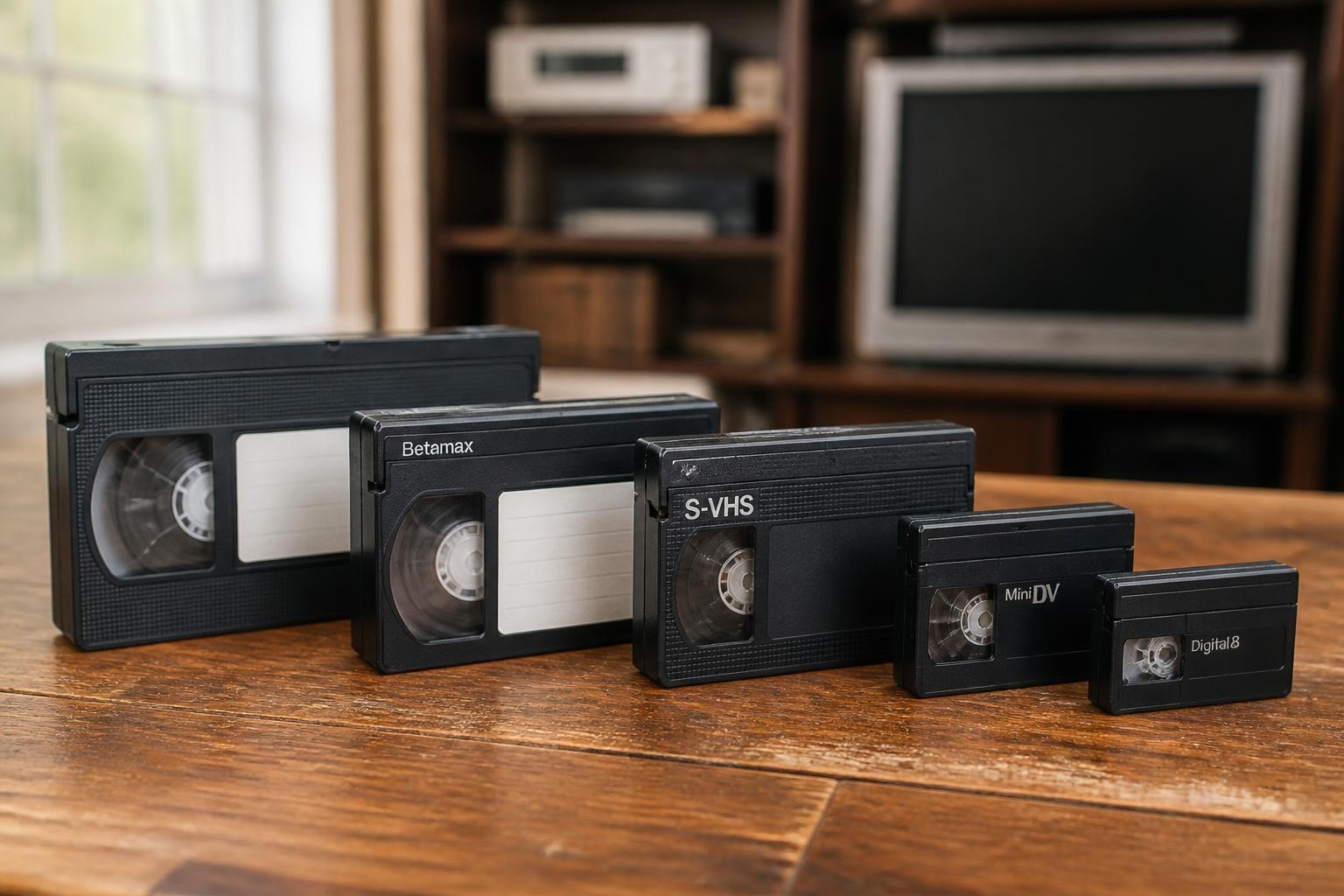
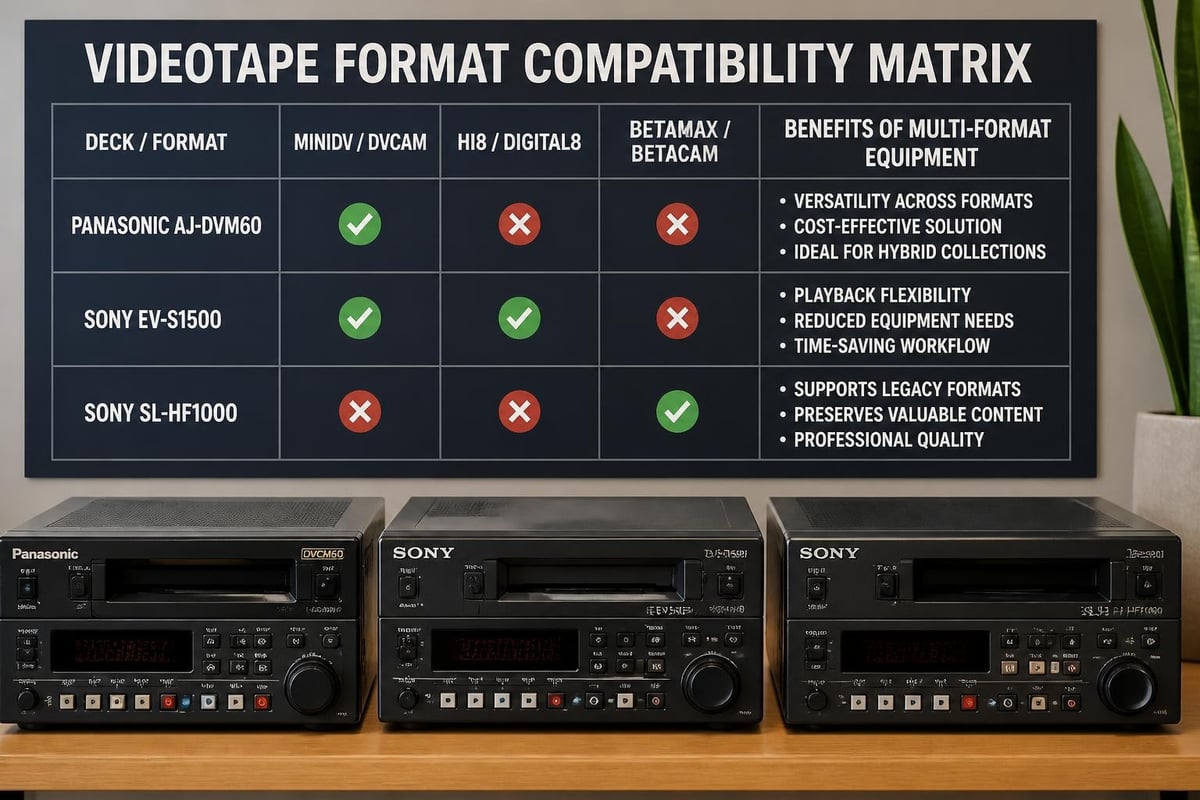
Professional video deck rentals typically focus on formats that remain in active use for digitization work. MiniDV decks, S-VHS machines, Digital8 players, and Betamax units represent the most commonly requested formats. Each serves specific archival and transfer needs, with varying price points and availability.
Why Businesses Choose Rental Over Purchase
Several factors drive the decision to rent rather than buy professional videotape equipment:
- Cost efficiency for short-term or occasional projects
- Avoidance of maintenance responsibilities and aging equipment issues
- Access to multiple formats without investing in a full equipment library
- Flexibility to scale capacity during peak demand periods
- No long-term storage requirements for bulky equipment
The equipment rental industry has established practices that apply well to specialized electronics, as outlined by the American Rental Association, which provides guidance on rental operations and market intelligence.
Rental Pricing Models and Duration Options
Understanding pricing structures helps businesses budget effectively for vcr on rent arrangements. Professional videotape deck rentals typically follow monthly pricing models, though some providers offer weekly or project-based rates for shorter engagements.
| Rental Duration | Typical Monthly Rate | Best For |
|---|---|---|
| 1 month | $99-$150 | Small batch projects, testing workflows |
| 3-6 months | $85-$125/month | Seasonal digitization work, client backlogs |
| 6-12 months | $75-$110/month | Ongoing business operations, studio use |
| Long-term contracts | Custom pricing | High-volume digitization shops, archives |
Monthly rental rates generally start around $99 for standard professional decks, with premium units or rare formats commanding higher prices. Volume discounts often apply for multiple units or extended rental periods, making it economical for digitization businesses to maintain rental relationships rather than purchasing equipment outright.
Deposit and Insurance Requirements
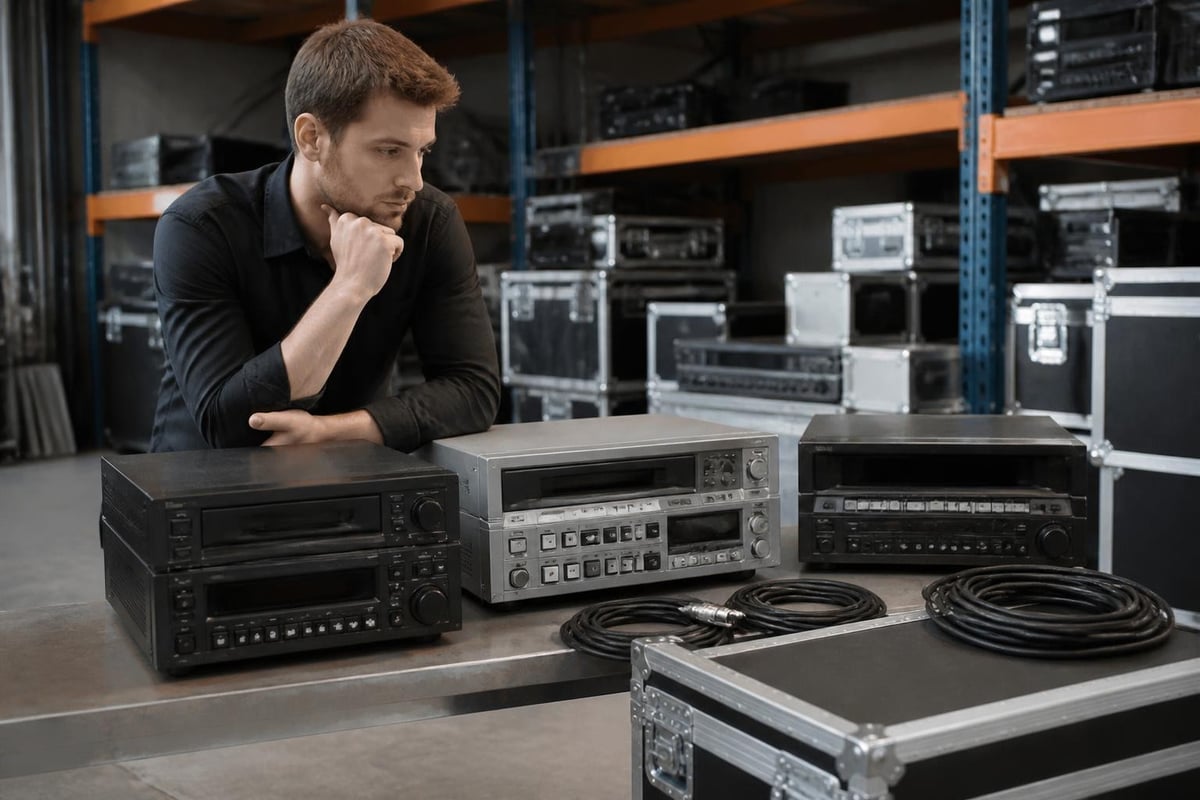
Most professional equipment rental agreements require security deposits and proof of insurance. Security deposits typically range from one to two months' rental fees, refundable upon equipment return in acceptable condition. Rental businesses should verify their general liability coverage or consider inland marine insurance to protect rented equipment during transport and use.
Insurance requirements protect both parties. Renters gain protection against unexpected equipment failure or damage, while providers safeguard their investment in increasingly scarce professional video equipment. Clear documentation of equipment condition at both pickup and return prevents disputes.
Format-Specific Rental Considerations
Different videotape formats present unique rental considerations based on availability, use cases, and technical requirements. Understanding these differences helps businesses select appropriate equipment for their specific needs.
MiniDV and Digital Formats
MiniDV decks remain in high demand for digitization work, as this format was widely used for professional camcorder footage through the early 2010s. Professional MiniDV deck rental options typically include IEEE 1394 (FireWire) connectivity for direct digital capture, preserving original quality without analog conversion.
Digital8 players serve a dual purpose, offering backward compatibility with Hi8 and 8mm tapes while providing digital output for newer material. This versatility makes Digital8 decks valuable for shops handling mixed-format collections.
Analog Professional Formats
S-VHS decks provide superior quality for analog videotape transfers compared to standard VHS playback. The S-Video output maintains component separation, resulting in cleaner digitization results. Businesses focusing on professional video archives or broadcast material benefit most from S-VHS capabilities.
Betamax format equipment serves a niche but persistent market. Consumer Betamax tapes and professional Betacam material require different deck types, making format identification crucial before arranging rentals. Professional Betacam decks command premium rental rates due to their scarcity and specialized capabilities.
Evaluating Equipment Condition and Performance
When securing a vcr on rent, equipment condition directly impacts project success. Professional video decks are aging technology, and mechanical wear varies significantly between units. Reputable rental providers maintain equipment through regular servicing and head cleaning, but renters should understand key performance indicators.
Critical Performance Factors
Video head condition represents the most critical factor for playback quality. Worn heads produce tracking errors, noise, and dropout artifacts that compromise digitization results. Professional decks should undergo regular head replacement as part of maintenance schedules.
Mechanical transport reliability affects both playback quality and tape safety. Stretched belts, worn capstan rollers, and misaligned tape paths can damage irreplaceable archival material. Before committing to rental agreements, verify the provider's maintenance practices and ask about recent service history.
The National Archives provides technical guidance on playback and digitization considerations that help renters assess expected results and identify equipment issues during operation.
Testing and Acceptance Procedures
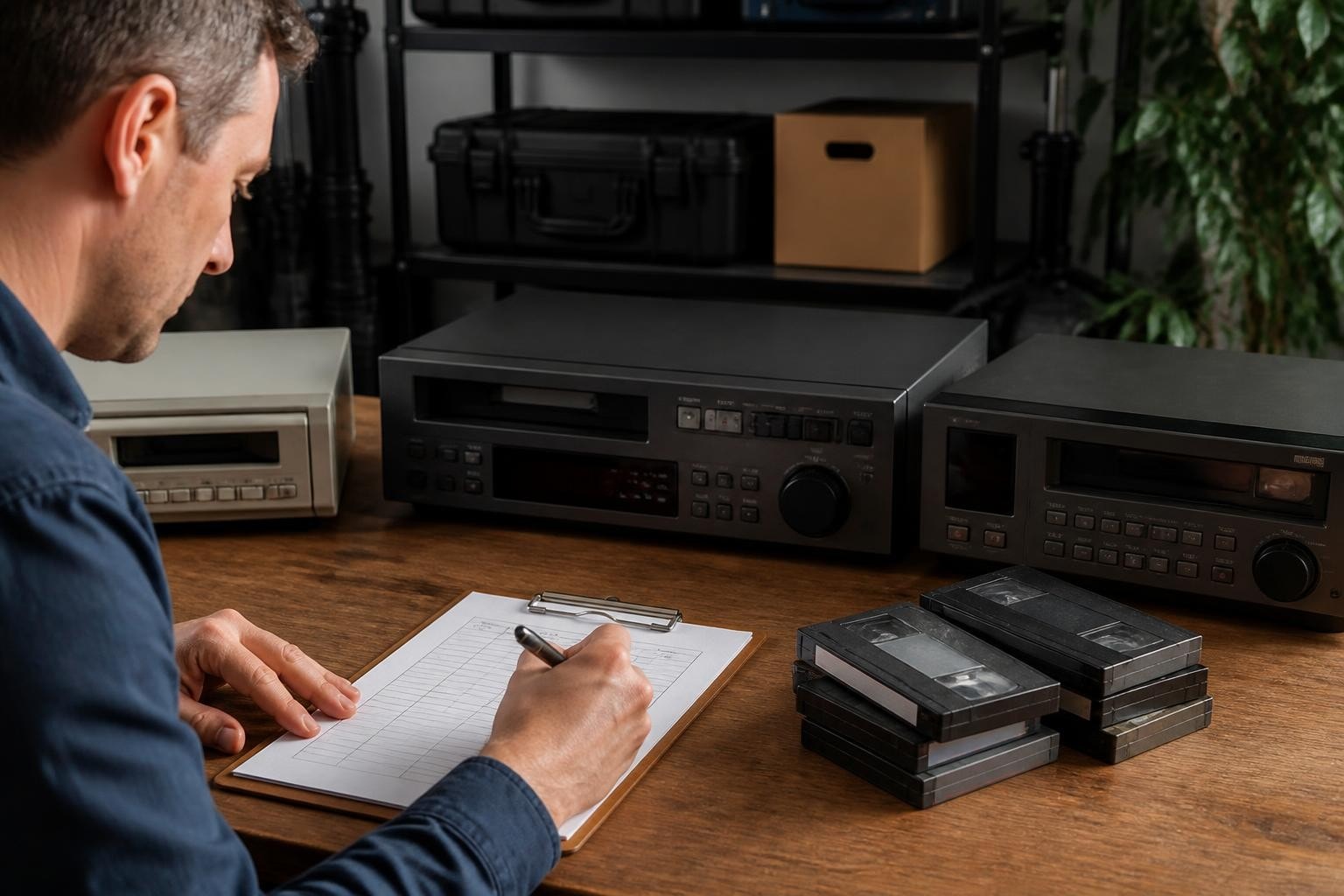
Professional rental agreements should include acceptance testing provisions. Upon delivery, test rented equipment with expendable tapes before processing valuable archival material. Document any performance issues immediately to avoid liability for pre-existing conditions.
Key tests include:
- Tracking stability across full tape length
- Audio channel functionality (both channels on stereo equipment)
- Output signal quality using vectorscope and waveform monitoring
- Transport mechanism smoothness and consistent speed
- Control interface responsiveness and feature access
Legal and Copyright Considerations for Rental Use
Businesses using a vcr on rent for commercial digitization work must navigate copyright and licensing requirements. The equipment rental itself carries no copyright implications, but the use of that equipment to reproduce or transfer copyrighted material requires appropriate authorization.
Copyright Compliance in Digitization Work
The U.S. Copyright Office provides guidance on reproduction and public performance rights relevant to video transfer work. Commercial digitization businesses should maintain client attestations regarding copyright ownership or appropriate licensing for material being transferred.
Personal use transfers generally fall under different considerations than commercial reproduction. Businesses offering digitization services should establish clear terms of service that place copyright compliance responsibility with clients while maintaining industry best practices.
Equipment Rental Agreements and Liability
Equipment rental agreements should clearly define permitted uses, liability allocation, and return conditions. Key contract elements for professional video deck rentals include:
- Permitted use descriptions (personal digitization, commercial transfer service, archival work)
- Maintenance responsibilities during rental period
- Damage and loss liability limits and insurance requirements
- Return condition standards and cleaning expectations
- Technical support availability and troubleshooting assistance
Clear contractual terms protect both rental providers and customers, establishing expectations and reducing disputes over equipment condition or performance issues.

Optimizing Rental Periods for Project Efficiency
Effective project planning maximizes the value of vcr on rent arrangements by aligning rental duration with actual equipment needs. Digitization projects often encounter unexpected delays due to tape condition issues, format identification challenges, or technical complications that extend timelines beyond initial estimates.
Project Scoping and Timeline Development
Before committing to rental periods, conduct thorough project scoping. Assess the total volume of material, estimate processing time per tape including quality review, and add buffer time for complications. Professional digitization work typically processes 15-25 tapes per day depending on format, length, and quality control requirements.
Batch processing strategies reduce per-tape rental costs by concentrating work during rental periods. Rather than renting equipment for sporadic individual transfers, accumulate client work to create efficient production batches that justify rental expenses.
Seasonal demand patterns affect both rental availability and pricing. Educational institutions, production companies, and family history researchers often peak during summer months and year-end holidays, potentially reducing equipment availability or increasing rates during these periods.
Maintenance Support and Technical Assistance
Access to maintenance support differentiates professional vcr on rent arrangements from peer-to-peer equipment loans. Technical issues inevitably arise with aging video equipment, and rapid resolution minimizes project delays and protects irreplaceable source material.
Included Support Services
Professional rental providers typically offer:
- Pre-rental equipment testing and certification
- Basic troubleshooting guidance during rental period
- Head cleaning supplies and maintenance instructions
- Equipment replacement for failures during rental term
- Technical consultation on optimal settings and configurations
Some providers include professional repair services as part of rental agreements, ensuring rapid response to mechanical failures. The diagnostic fee structure and repair turnaround times should factor into rental provider selection, particularly for time-sensitive projects.
Preventive Maintenance During Rental
Renters bear responsibility for basic care during the rental period. Regular head cleaning prevents buildup that degrades playback quality and potentially damages tapes. Use only recommended cleaning cassettes designed for specific deck types, as improper cleaning methods can damage delicate video heads.
The Library of Congress provides digitization preparation guidance that includes equipment care practices relevant to rental users. Following preservation-oriented workflows protects both source material and rented equipment.
Comparing Rental to Purchase Decisions
The rent versus buy decision depends on usage frequency, available capital, and long-term business strategy. Professional videotape decks represent depreciating assets in declining markets, complicating traditional equipment investment analysis.
| Factor | Rental Advantage | Purchase Advantage |
|---|---|---|
| Upfront cost | Low monthly payments | Higher initial investment |
| Maintenance | Provider responsibility | Owner responsibility |
| Flexibility | Easy scaling up/down | Fixed capacity |
| Long-term cost | Higher total over years | Lower if used consistently |
| Technology access | Always current inventory | Equipment ages |
| Tax treatment | Operating expense | Capital depreciation |
For occasional projects or businesses testing digitization service offerings, rental provides low-risk entry. Established digitization shops with consistent volume may find purchase more economical, though maintenance complexity and parts scarcity increasingly favor rental relationships even for high-volume operations.
Specialized Applications and Niche Formats
Beyond standard consumer formats, specialized videotape formats require unique playback equipment rarely available in rental markets. U-matic, Betacam SP, and 1-inch Type C formats served professional broadcast markets and now exist primarily in institutional archives and specialized transfer facilities.
Broadcast Format Rentals
Professional broadcast formats command premium rental rates due to equipment scarcity and specialized knowledge requirements. Betacam SP decks, for example, require specific maintenance expertise and replacement parts increasingly difficult to source. Rental providers specializing in broadcast formats typically serve institutional clients with significant archival budgets rather than consumer-facing digitization services.
Format identification challenges complicate rental planning for mixed collections. What appears to be standard Betamax may actually be Betacam, requiring completely different playback equipment. Professional consultation before rental commitment prevents costly mistakes and project delays.
Environmental Considerations and End-of-Life Planning
Responsible management of electronic equipment includes end-of-life planning for aging videotape decks. As rental inventory units reach functional obsolescence, proper disposal prevents environmental harm while recovering valuable materials.
E-Waste Compliance
The EPA provides guidance on electronic waste management relevant to equipment rental businesses. Professional video decks contain hazardous materials requiring proper recycling rather than landfill disposal. Certified e-waste recyclers recover metals and components while safely managing lead solder, circuit boards, and other environmental concerns.
Rental businesses should establish relationships with certified recyclers for units that fail beyond economic repair. This environmental stewardship increasingly matters to institutional clients who evaluate vendor sustainability practices as part of procurement decisions.
Emerging Rental Models and Market Evolution
The vcr on rent market continues evolving as equipment scarcity increases and digitization demand shifts. Forward-thinking rental providers develop service models that address changing market needs while managing declining equipment availability.
Hybrid Service Models
Some providers now bundle equipment rental with digitization services, offering turnkey solutions for clients lacking technical expertise. These hybrid models provide equipment, capture software, technical support, and quality control guidance as comprehensive packages rather than bare equipment rentals.
Remote technical support capabilities expand rental accessibility beyond local markets. Video conferencing and remote desktop tools enable expert troubleshooting regardless of equipment location, making specialized rentals viable for customers without nearby provider access.
Cooperative rental pools among digitization businesses share scarce format coverage. Regional cooperatives maintain diverse equipment libraries accessible to members, distributing acquisition and maintenance costs while ensuring format availability for specialized projects.
Quality Assurance and Client Expectations
When using a vcr on rent for client work, quality assurance protocols protect business reputation and ensure deliverable satisfaction. Video quality factors vary significantly based on source tape condition, playback equipment performance, and capture methodology.
Setting Realistic Client Expectations
Transparent communication about achievable quality prevents client disappointment. Aging videotape exhibits degradation regardless of playback equipment quality. Color shifting, tracking instability, and audio distortion often reflect source material deterioration rather than equipment deficiencies.
Provide sample captures early in projects to establish quality baselines. This practice identifies potential issues before processing entire collections and demonstrates the quality clients can expect from their specific source material.
Documentation and Metadata Practices
Professional digitization workflows include comprehensive metadata capture. Document playback equipment model, settings used, and any anomalies encountered during transfer. This information proves valuable for quality review and provides context if clients question transfer results.
Format-specific considerations affect quality outcomes. VHS format material presents different challenges than Hi8 or MiniDV content, requiring adjusted expectations and processing approaches.
Professional videotape deck rentals provide essential access to aging playback technology for digitization businesses, archives, and preservation projects. Strategic rental arrangements offer cost efficiency, format flexibility, and maintenance support that increasingly outweigh equipment ownership benefits. Whether you need short-term access for a specific project or ongoing equipment availability for consistent digitization work, VCR Supply offers professional videotape deck rentals starting at $99 per month with comprehensive technical support and maintenance services to keep your projects running smoothly.