VCR Repair Service: Expert Guide for 2026
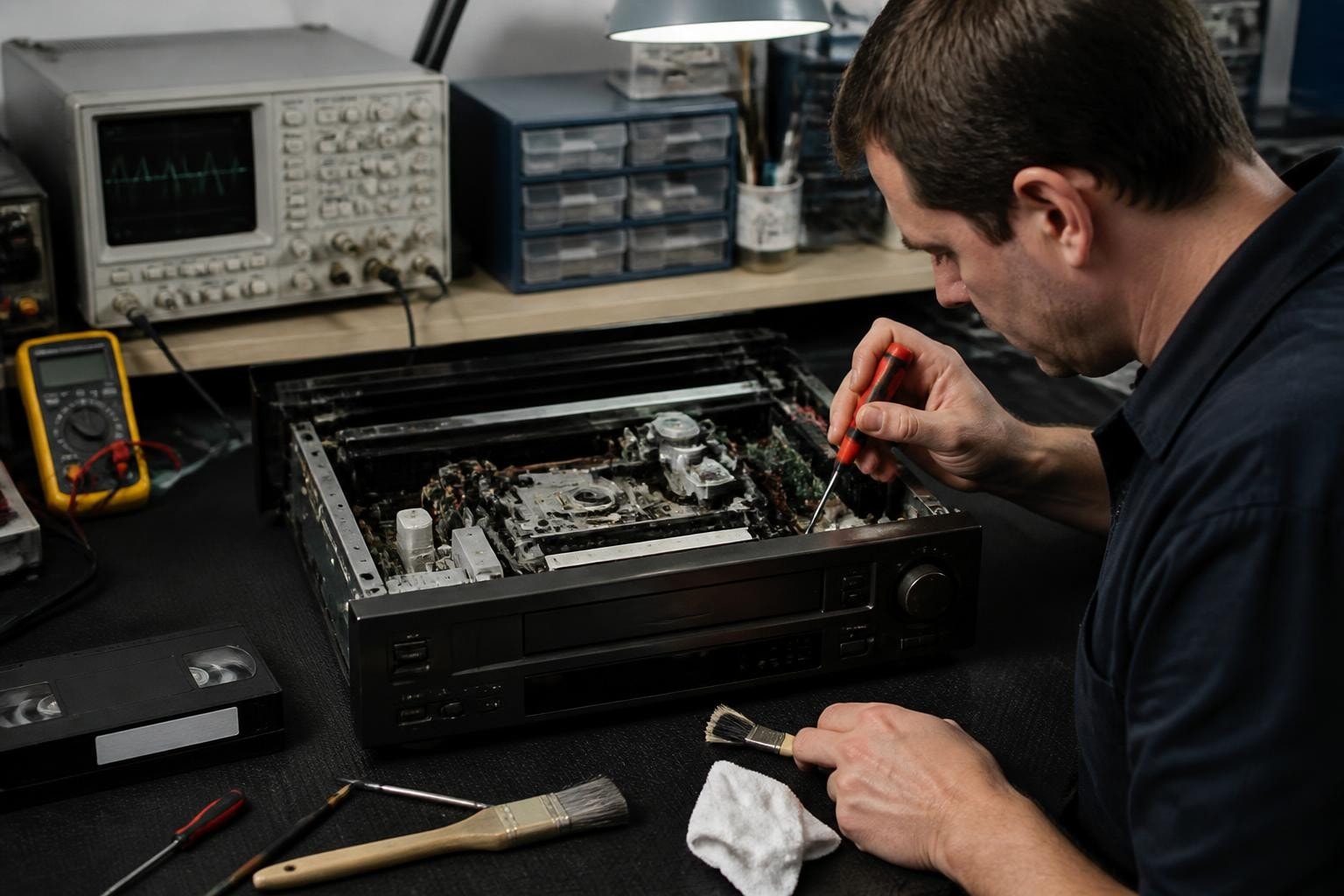
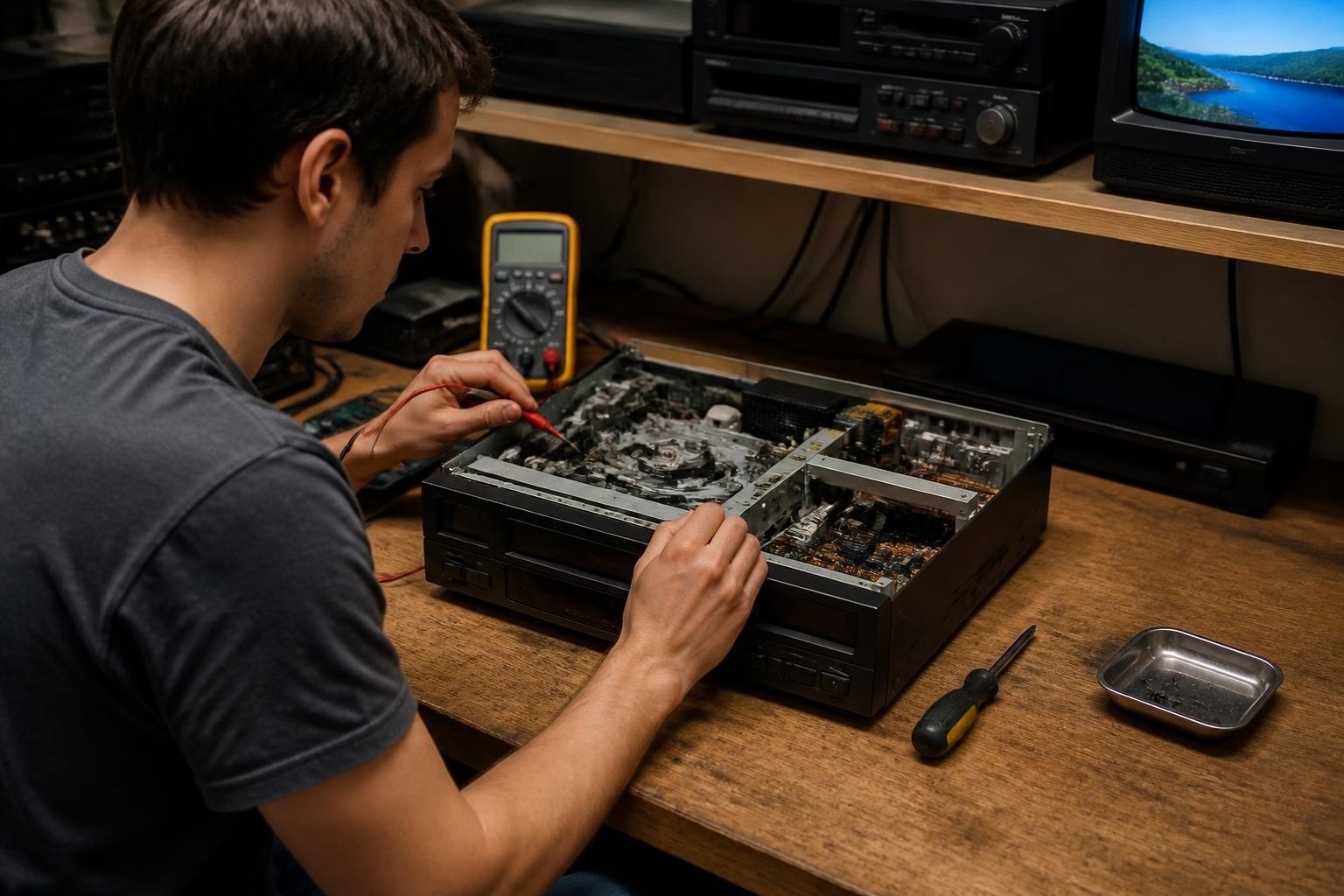
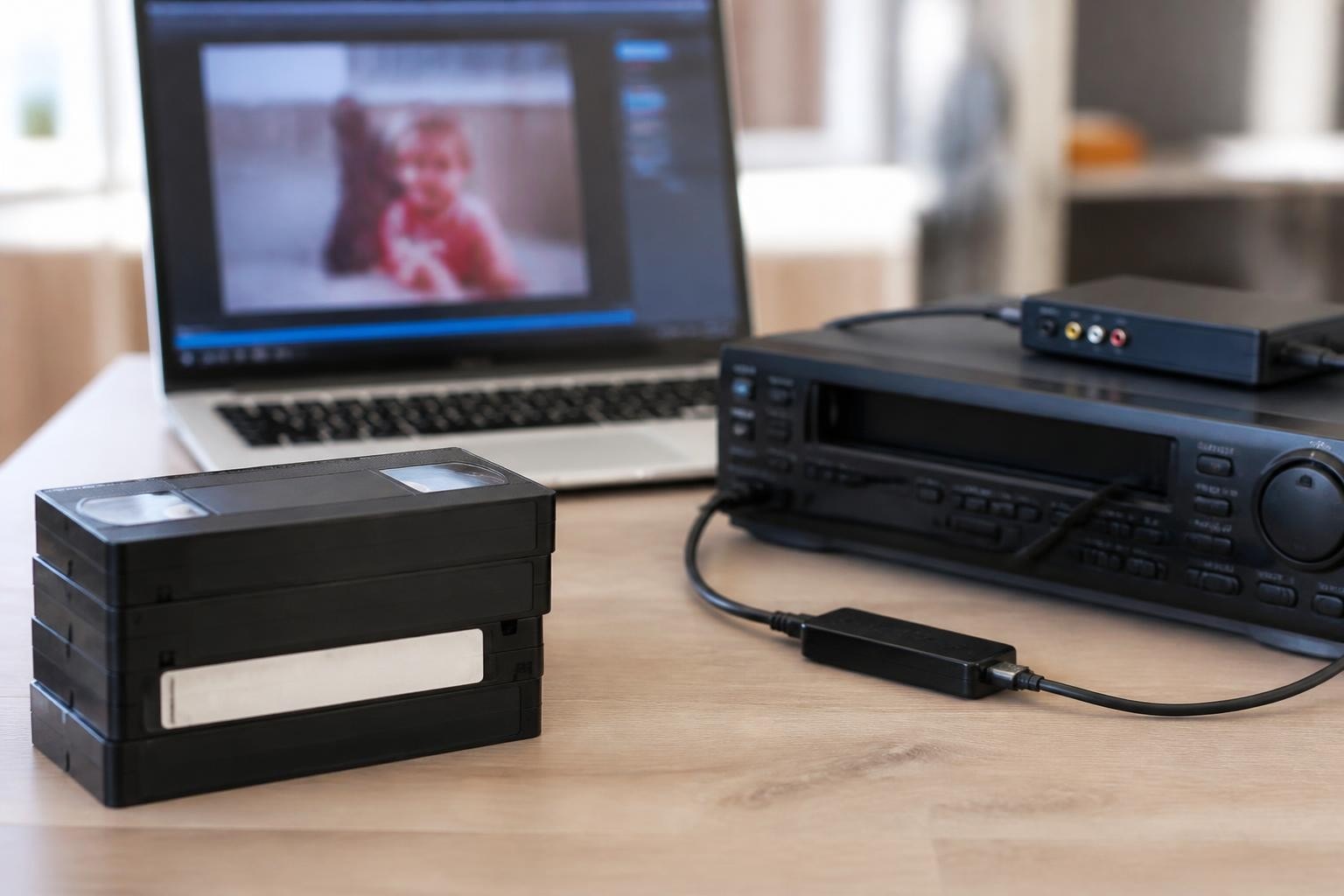
Professional videotape equipment continues to serve critical roles in digitization workflows, archival preservation, and media transfer operations throughout 2026. Despite the shift to digital formats, organizations managing legacy video collections rely on functioning VCR hardware to rescue irreplaceable content from aging magnetic tape. Finding a qualified vcr repair service has become increasingly important as fewer technicians possess the specialized knowledge required to maintain these precision machines. Whether you operate a digitization shop, manage an institutional archive, or preserve broadcast-quality recordings, understanding the repair landscape helps you make informed decisions about equipment maintenance and longevity.
Understanding Professional VCR Repair Needs
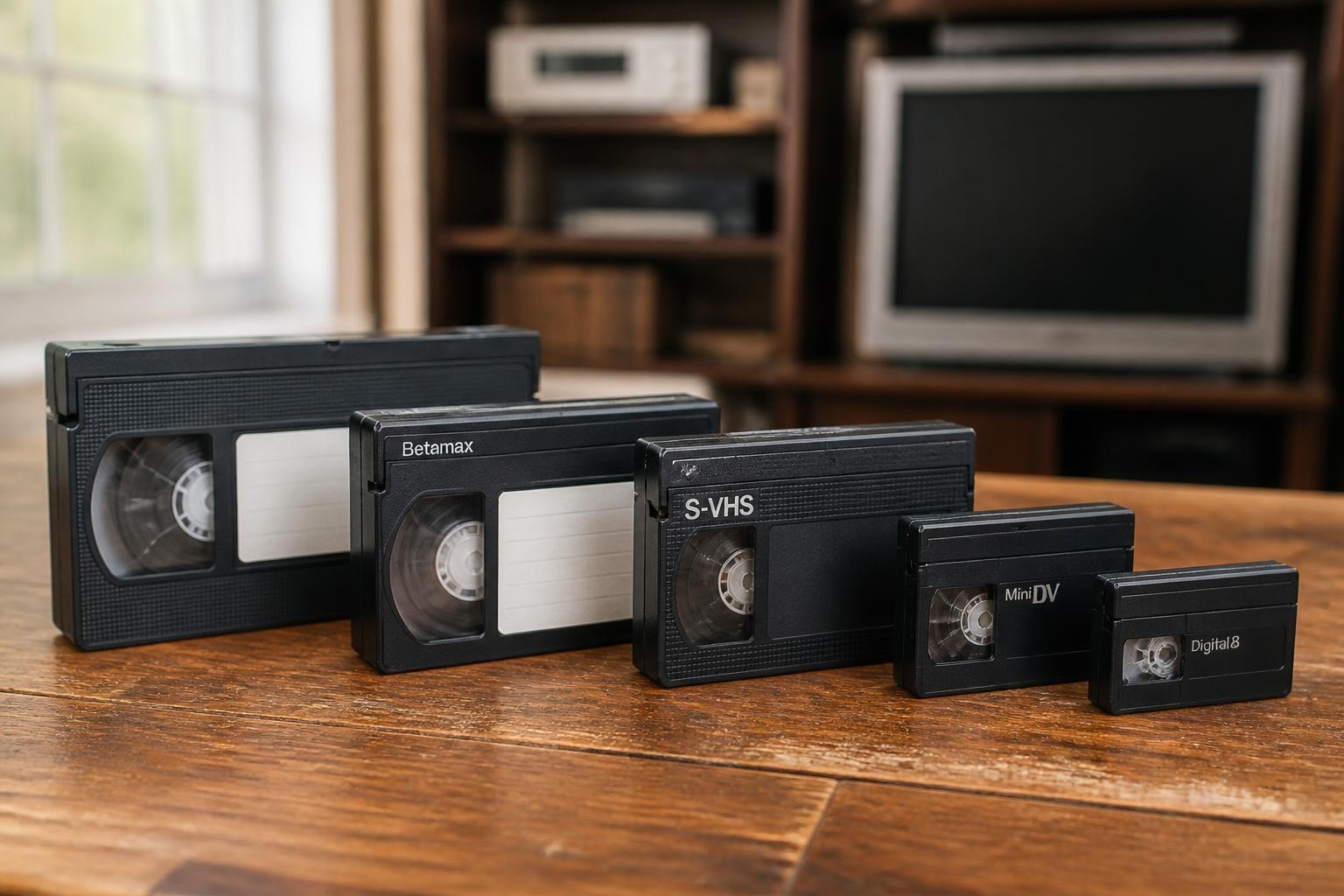
The demand for vcr repair service has evolved significantly as consumer-grade equipment has largely disappeared from mainstream use. Today's repair market focuses almost exclusively on professional and prosumer videotape decks capable of handling formats like MiniDV, S-VHS, Betamax, Digital8, and Hi8. These machines feature superior build quality, replaceable components, and engineering documentation that makes repair economically viable.
Professional decks differ fundamentally from consumer models in several ways:
- Modular construction allowing component-level repair rather than wholesale replacement
- Metal tape paths and precision-machined heads designed for extended operational life
- Service manuals and schematics available to qualified technicians
- Parts availability through manufacturer channels and specialty suppliers
- Diagnostic outputs that simplify troubleshooting and calibration
Organizations investing in repair services typically operate digitization facilities where equipment downtime directly impacts revenue. A broken deck can halt production entirely when handling time-sensitive projects or client deadlines.
Common Failure Modes Requiring Repair
Understanding typical failure patterns helps you recognize when professional intervention becomes necessary. Mechanical wear represents the most frequent category of failure, particularly in tape transport mechanisms that experience constant friction and stress.
Tape transport failures manifest as inconsistent playback speed, tape eating, or complete transport failure. Capstan motors, pinch rollers, and idler assemblies wear over time and require periodic replacement. The National Archives provides detailed guidance on identifying tape damage that may indicate transport problems before catastrophic failure occurs.
Video head degradation affects picture quality gradually, producing tracking errors, snow, dropouts, or complete signal loss. Heads accumulate oxide deposits from tape contact and eventually wear beyond acceptable tolerances. Professional cleaning using approved methods can extend head life, though eventually replacement becomes necessary.
| Failure Type | Symptoms | Typical Repair Cost | Downtime |
|---|---|---|---|
| Capstan motor | Speed fluctuation, won't play | $150-$300 | 3-5 days |
| Video heads | Poor picture, dropouts, snow | $200-$500 | 5-10 days |
| Power supply | Won't power on, intermittent | $100-$250 | 2-4 days |
| Servo circuit | Tracking errors, instability | $175-$400 | 4-7 days |
| Tape loading | Won't accept/eject cassettes | $125-$275 | 2-5 days |
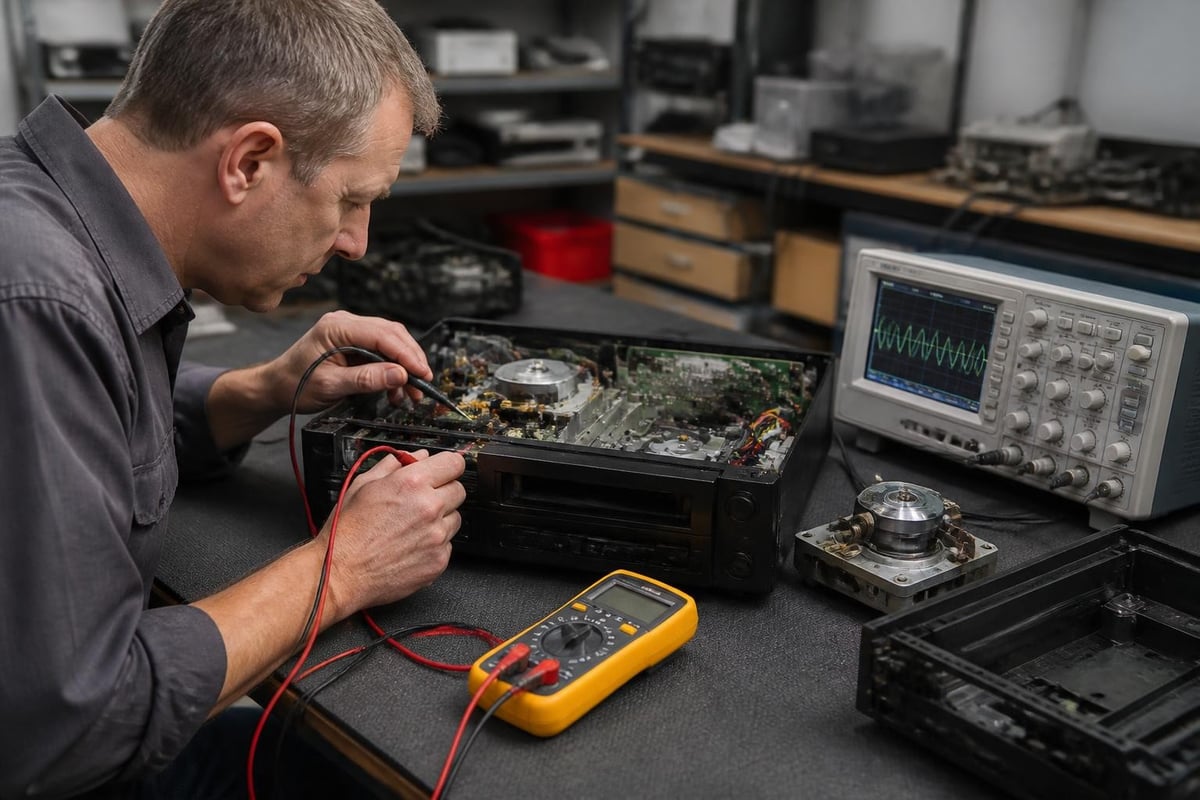
Electronic component failure often proves more challenging to diagnose than mechanical issues. Capacitors age and leak, integrated circuits fail, and solder joints crack from thermal cycling. These repairs require specialized knowledge of video signal processing and access to oscilloscopes and signal generators.
Selecting a Qualified VCR Repair Service
The decreasing number of qualified technicians makes selecting the right vcr repair service increasingly critical. Not all repair facilities possess equal expertise, and choosing poorly can result in wasted time, money, and potentially damaged equipment.
Look for repair services demonstrating specific qualifications:
- Format expertise matching your equipment (MiniDV requires different skills than Betamax or VHS)
- Original parts access or proven aftermarket alternatives
- Calibration equipment including vectorscopes, oscilloscopes, and test pattern generators
- Documented repair processes with diagnostic reports and test results
- Warranty coverage on completed repairs (typically 60-90 days minimum)
Professional repair shops serving the archival and digitization market typically charge diagnostic fees ranging from $45 to $100. This fee covers initial assessment, testing, and estimate preparation. Many services credit this fee toward repair costs if you proceed with work.
Evaluating Repair Turnaround Times
Equipment downtime carries real costs for production facilities. When evaluating repair options, consider both quoted turnaround time and the service's track record for meeting deadlines.
Standard repairs typically require one to two weeks, though complex issues or parts availability can extend this timeframe. Rush service may be available at premium pricing when project deadlines demand faster turnaround. Some facilities offer loaner equipment to minimize production interruption.
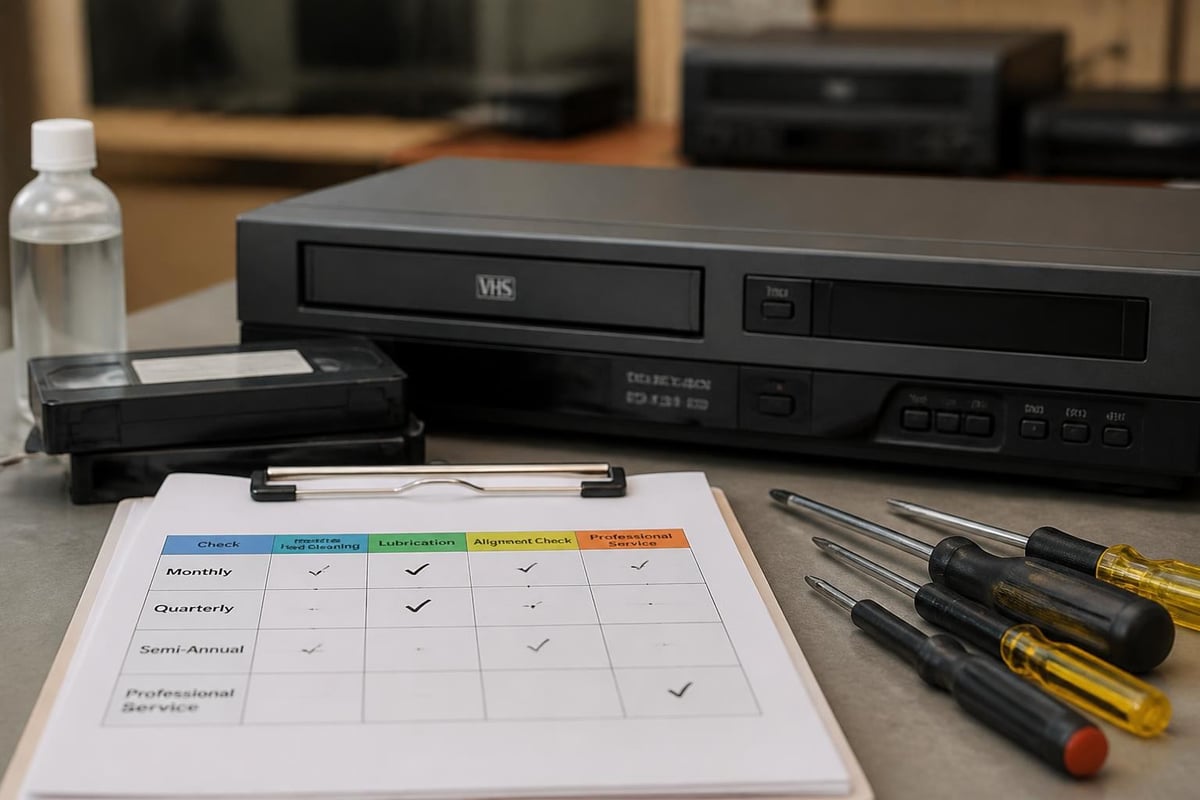
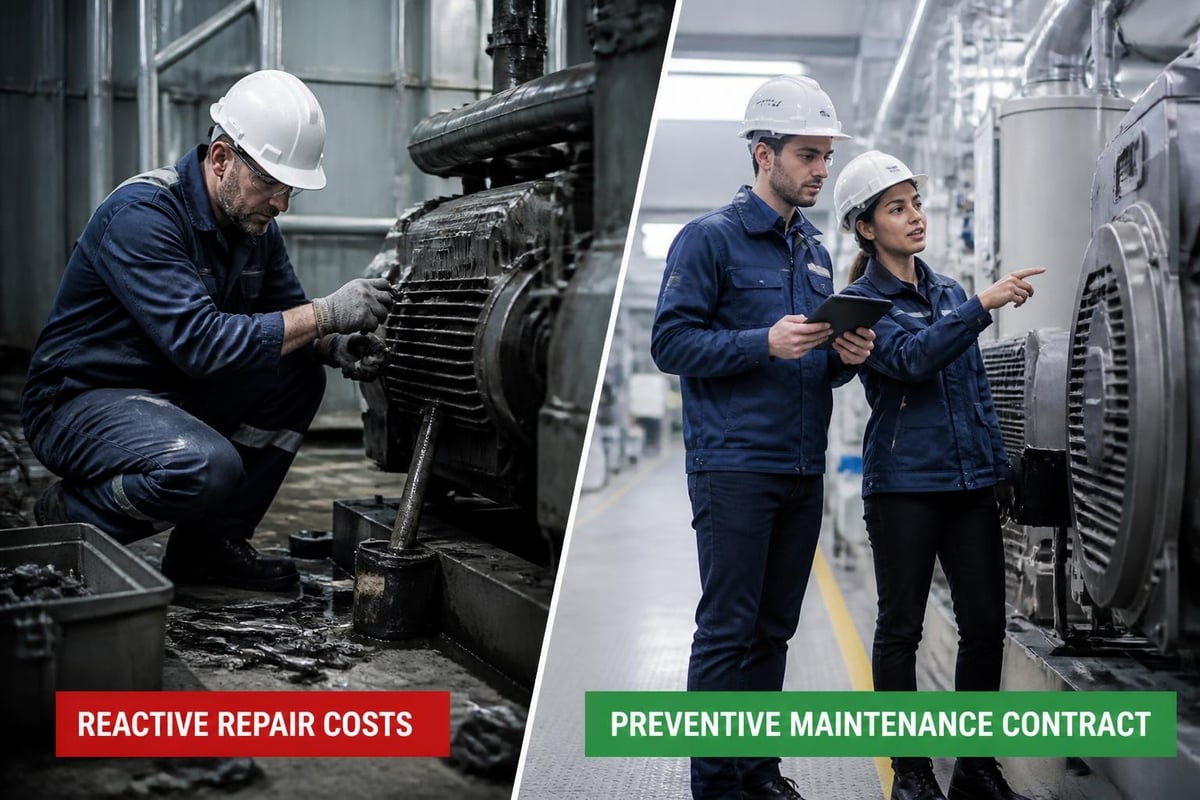
Preventive maintenance contracts represent an alternative approach that reduces unexpected downtime. These agreements typically include scheduled cleaning, lubrication, alignment checks, and component replacement before failure occurs. Organizations running multiple decks often find maintenance contracts more cost-effective than reactive repair.
DIY Maintenance Versus Professional Repair
Basic maintenance tasks can be performed in-house, potentially extending intervals between professional service calls. However, understanding the boundary between safe DIY maintenance and work requiring professional expertise prevents equipment damage.
Operators can safely perform routine cleaning following established procedures. The iFixit guide on cleaning VCR read heads provides step-by-step instructions for this essential maintenance task. Regular cleaning prevents oxide buildup and maintains optimal head contact with tape.
Safe In-House Maintenance Tasks
The following maintenance activities can typically be performed without specialized training:
- Head cleaning using approved solvents and chamois swabs (never abrasive materials)
- Tape path inspection for debris, oxide buildup, or physical damage
- External cleaning of chassis, controls, and ventilation openings
- Visual inspection of belts, rollers, and mechanical components for wear
- Basic testing using known-good tapes to verify playback quality
Attempting repairs beyond your skill level risks creating more expensive problems. Head alignment, servo adjustments, and electronic repairs require specialized knowledge and test equipment. The SMPTE standards documentation outlines technical specifications that professional repairs must meet.
Repair Economics and Equipment Lifecycle
Deciding between repair and replacement involves calculating both immediate costs and long-term value. Professional videotape decks represent significant capital investments, with quality machines costing anywhere from $500 to $5,000 or more on the used market.
A repair making economic sense typically costs less than 40-50% of the equipment's replacement value. For a deck worth $1,000, repairs under $400-$500 generally justify the investment. However, this calculation must also consider the machine's overall condition and expected remaining lifespan.
Rental alternatives provide another option worth evaluating. Services like VCR Supply's rental program starting at $99 per month can bridge gaps during repair periods or allow evaluation of whether permanent ownership makes sense for your volume.
| Scenario | Repair | Replace | Rent |
|---|---|---|---|
| Single project, 2-week timeline | $300 + 2 weeks down | $800 + immediate | $200 (1 month) |
| Ongoing production, 100 hrs/month | $300 + backup needed | $800 + long ROI | $1,188/year |
| Intermittent use, 20 hrs/month | $300 + long payback | $800 + underutilized | $297 (3 months) |
Consider total cost of ownership over expected equipment lifespan. A well-maintained professional deck can operate for 10-15 years with periodic repairs. Spreading repair costs across years of productive use often proves more economical than frequent equipment replacement.
Format-Specific Repair Considerations
Different videotape formats present unique repair challenges and parts availability situations. Understanding these differences helps set realistic expectations when seeking vcr repair service.
MiniDV and Digital8 Decks
Digital tape formats like MiniDV and Digital8 rely heavily on electronics for error correction, compression, and signal processing. While mechanical components still require maintenance, electronic failures prove more common than with analog formats.
Parts availability remains relatively good for popular professional MiniDV decks from Sony, JVC, and Canon manufactured through the mid-2010s. However, specialized ICs and custom components may require sourcing from parts donors when manufacturer stock depletes.
The British Library's technical documentation includes valuable guidance on maintaining digital videotape equipment in preservation workflows, emphasizing preventive maintenance to avoid failure of hard-to-replace components.
Betamax and Professional Formats
Professional Betamax variants (Betacam SP, Digital Betacam) command premium repair pricing due to their complexity and dwindling technician expertise. Consumer Betamax machines face severe parts scarcity, making repair increasingly difficult by 2026.
Organizations with Betamax content increasingly face decisions about long-term equipment sustainability. Establishing relationships with specialized repair services while parts remain available proves critical. Some facilities maintain parts donors specifically to support their primary production machines.
VHS and S-VHS Equipment
Standard VHS repair remains most accessible due to the format's widespread historical adoption. However, professional S-VHS decks worth repairing have become more valuable as working units grow scarcer. The Getty Conservation Institute's preventive conservation resources provide context for maintaining this equipment in archival environments.
S-VHS machines capable of TBC (time base correction) and professional I/O options justify higher repair investments due to their superior image quality and utility in digitization workflows.
Maintenance Contracts and Service Agreements
Organizations dependent on videotape equipment for revenue generation should carefully consider structured maintenance programs. These arrangements shift equipment care from reactive repair to proactive prevention.
A typical maintenance contract includes:
- Scheduled preventive service (quarterly or semi-annually depending on usage)
- Priority repair response when breakdowns occur despite maintenance
- Discounted parts and labor for required repairs
- Loaner equipment during service periods to minimize downtime
- Usage tracking and documentation to inform replacement planning
Contracts work best for facilities running three or more decks continuously. The predictable cost structure simplifies budgeting while reducing unexpected repair expenses. VCR Supply offers maintenance contracts alongside their $45 diagnostic fee repair service, providing digitization shops with flexible support options.
Preservation Standards and Repair Quality
Archives and institutions handling culturally significant or legally important recordings must ensure repairs meet preservation standards. Not all vcr repair service providers understand archival requirements or the consequences of substandard work.
The Library of Congress preservation resources emphasize that playback equipment quality directly affects transferred content quality. Poor head alignment, improper tension, or tracking errors during digitization can introduce artifacts impossible to remove later.
Professional repair documentation should include:
- Pre-repair condition assessment with measured performance metrics
- Work performed including parts replaced and adjustments made
- Post-repair testing results demonstrating compliance with specifications
- Calibration certificates where applicable to signal processing
- Recommendations for ongoing maintenance or future service needs
Organizations handling emergency recovery of water-damaged tapes must ensure their playback equipment operates within tight tolerances to maximize information recovery from compromised media.
Parts Sourcing and Supply Chain Challenges
The declining VCR manufacturing industry creates ongoing parts sourcing challenges. Repair services must maintain relationships with remaining suppliers, stock critical components, or develop creative sourcing solutions.
Original equipment manufacturer (OEM) parts provide ideal reliability but face increasing scarcity. Many manufacturers discontinued VCR production entirely, liquidating parts inventory years ago. Remaining OEM stock commands premium pricing.
New old stock (NOS) parts from dealers who purchased manufacturer closeouts offer original quality at various price points depending on rarity. These sources continue to diminish as inventory depletes without replenishment.
Aftermarket alternatives exist for common wear items like belts, rollers, and some electronic components. Quality varies significantly, making supplier reputation critical. Experienced repair services test aftermarket parts before installing in customer equipment.
Parts harvesting from donor machines becomes increasingly necessary for obsolete components. Repair shops may maintain inventories of non-functional machines specifically for salvageable parts.
Understanding these supply chain realities helps set realistic expectations for repair costs and timelines. A simple belt replacement might complete in days, while sourcing an obsolete IC could require weeks of searching.
Technical Standards and Compliance
Professional videotape equipment must meet specific technical standards to ensure proper operation and compatibility. The AES22-1997 standard on magnetic tape storage addresses handling requirements that affect long-term media stability, while repair work must restore equipment to manufacturer specifications.
Repairs affecting video signal processing should verify output compliance using appropriate test equipment. Parameters including:
- Luminance and chrominance levels within broadcast specifications
- Sync pulse timing and amplitude for proper playback compatibility
- Signal-to-noise ratio meeting format minimums
- Dropout compensation functioning correctly
- Time base stability within acceptable limits
These technical requirements explain why professional vcr repair service costs more than consumer electronics repair. The knowledge, equipment, and precision required justify premium pricing for qualified work.
Long-Term Equipment Strategy
Organizations dependent on videotape playback should develop strategic approaches extending beyond individual repair decisions. Equipment availability will only decrease, making forward planning essential.
Consider these strategic elements:
Inventory redundancy through maintaining backup decks for critical formats ensures production continuity during repairs. Some facilities keep one production machine and one backup for each format they regularly encounter.
Skills development by training staff in basic maintenance reduces reliance on external services for routine tasks. The CLIR magnetic tape handling guide provides excellent foundational knowledge for anyone working with videotape collections.
Migration planning for collections still on tape should accelerate before playback equipment becomes completely unavailable. Prioritization based on content value, tape condition, and format obsolescence helps allocate limited digitization resources effectively.
Relationship building with qualified repair services ensures access when needs arise. Establishing service agreements before emergencies occur provides peace of mind and typically better response times.
Looking for reliable VCR repairs near you requires evaluating both geographic proximity and technical expertise. Remote repair services may offer superior knowledge despite shipping requirements, particularly for specialized formats.
Professional vcr repair service remains essential for organizations managing legacy video collections and operating digitization workflows in 2026. Understanding failure modes, selecting qualified technicians, implementing preventive maintenance, and developing long-term equipment strategies all contribute to maximizing the productive lifespan of increasingly scarce videotape playback equipment. Whether you need immediate repair, preventive maintenance, or temporary equipment access, VCR Supply provides comprehensive support for digitization professionals with rental services, expert repairs starting with a $45 diagnostic fee, and maintenance contracts designed to keep your videotape decks operating reliably.