VCR Repair Shop Services for Professional Digitization
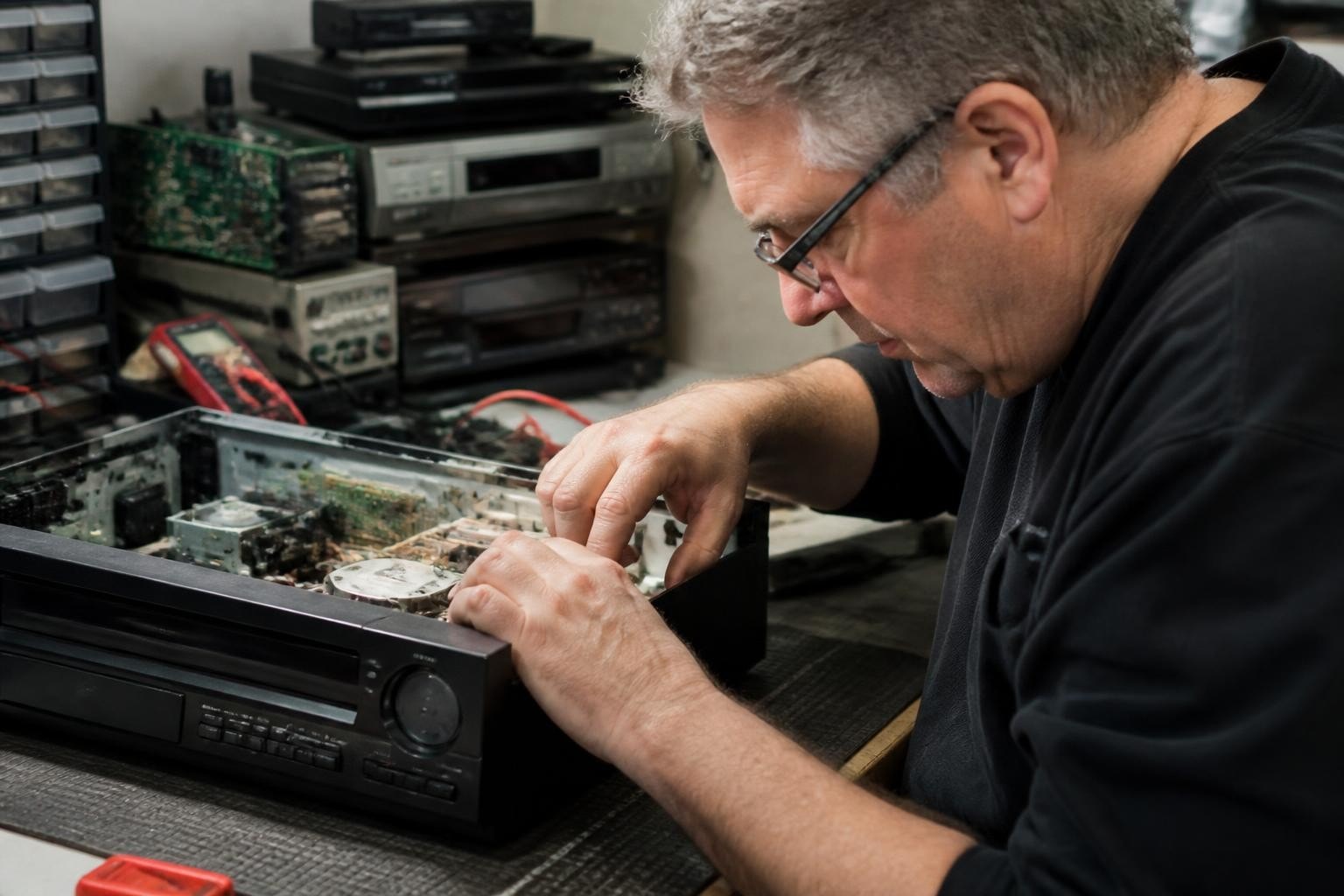
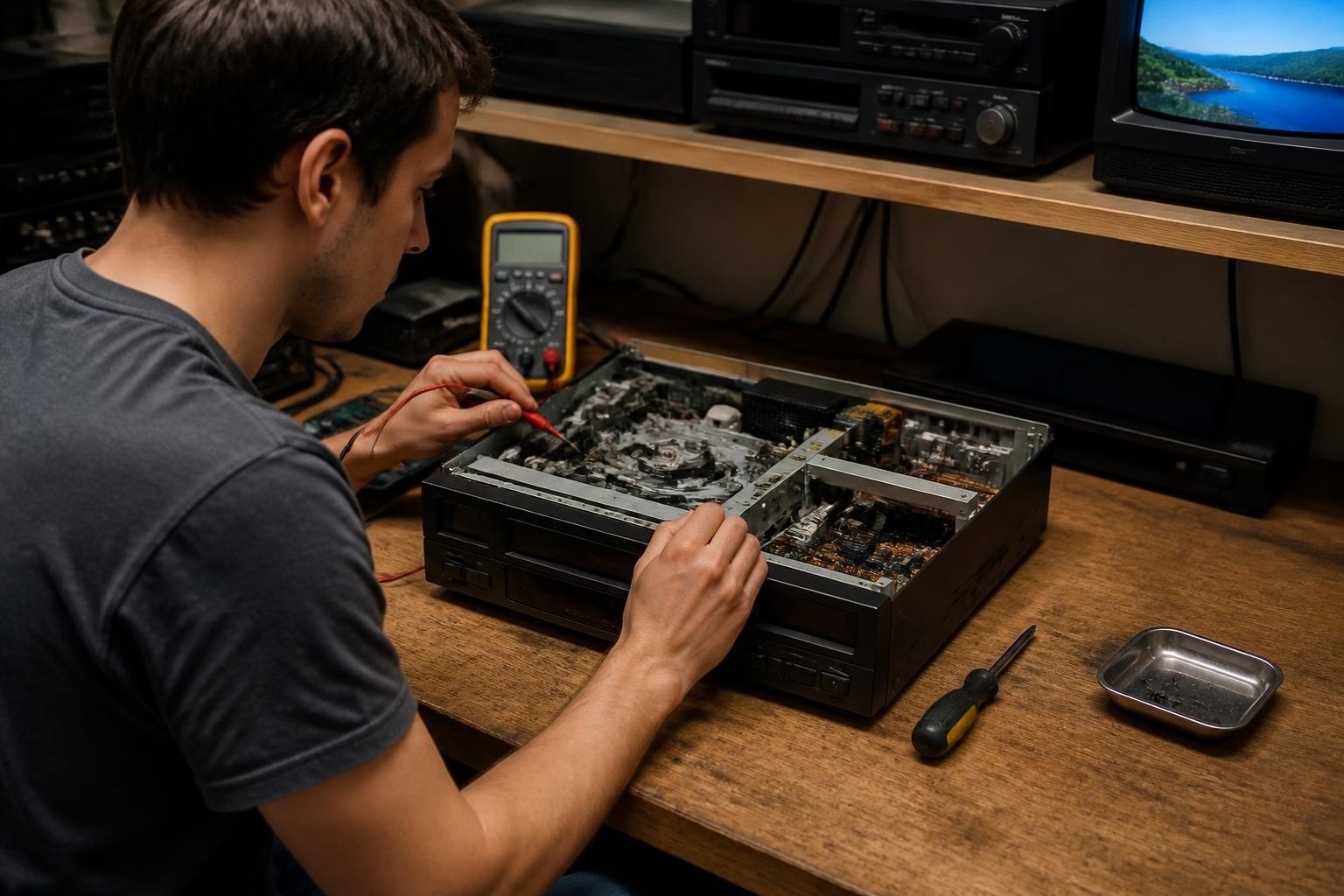
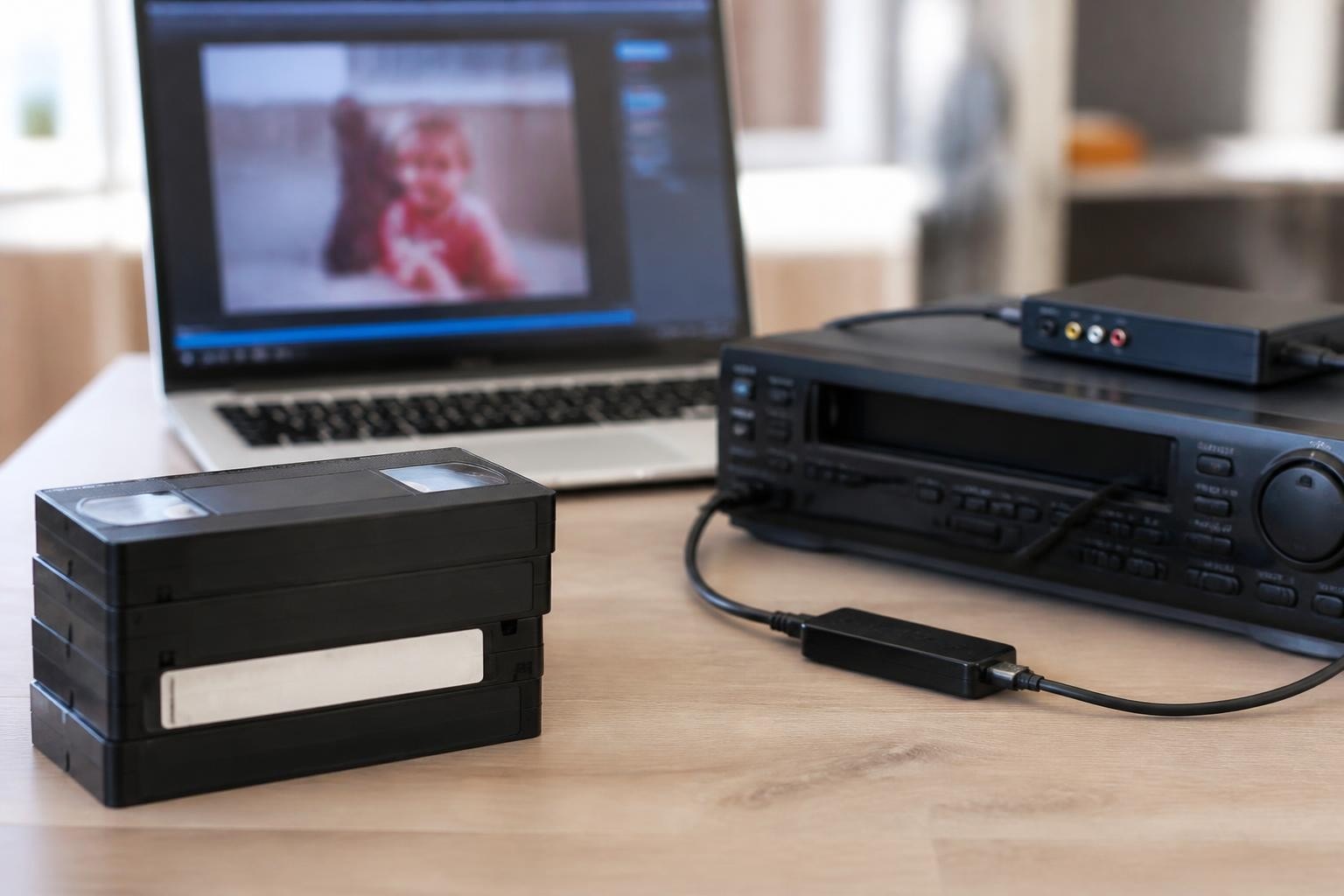
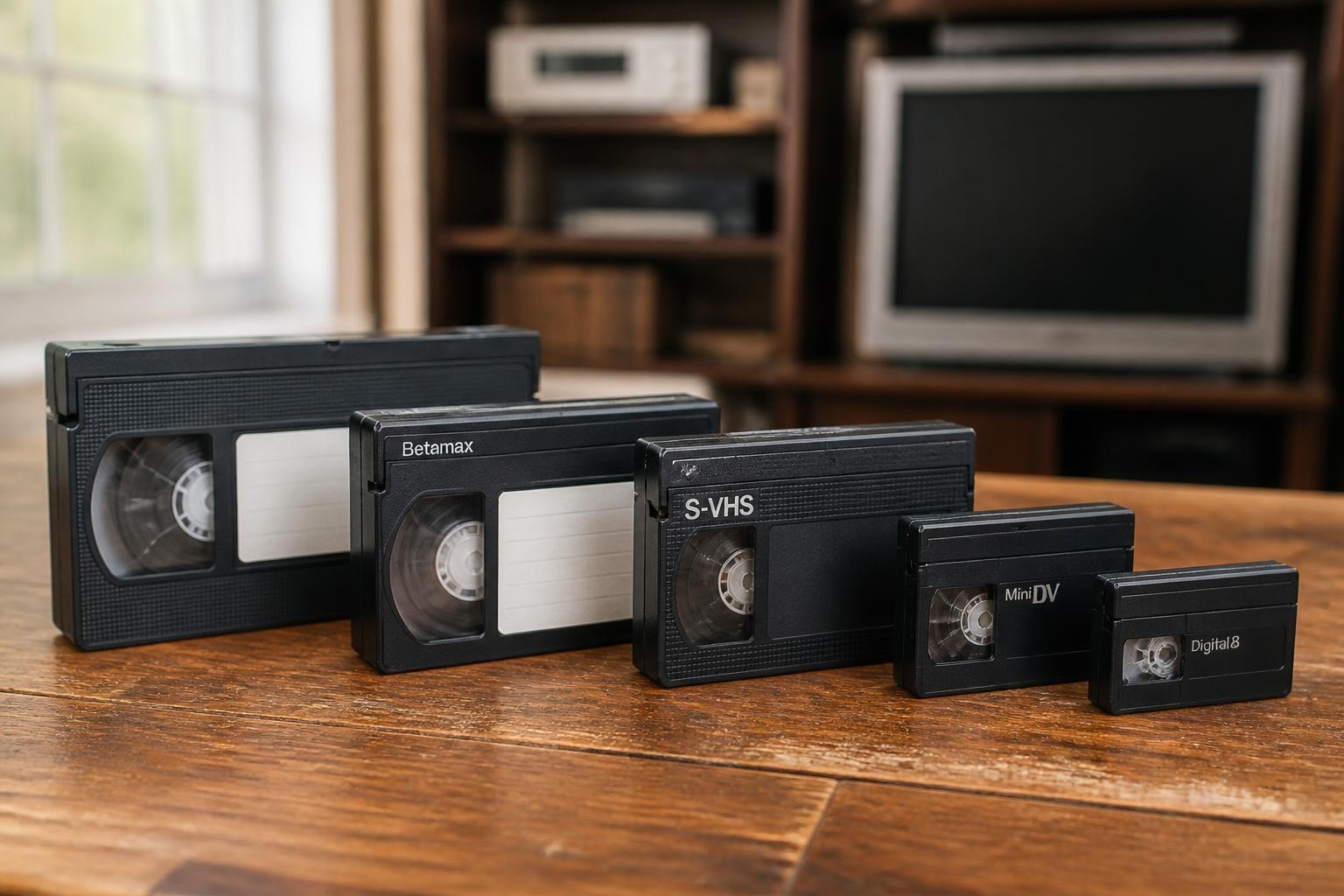
Finding reliable technical support for professional videotape equipment has become increasingly challenging as the industry consolidates and experienced technicians retire. A specialized vcr repair shop serves a critical role for digitization businesses, archival institutions, and media professionals who depend on working MiniDV, S-VHS, Digital8, and Betamax decks to preserve irreplaceable content. Unlike consumer-grade VHS players, professional videotape decks require expert diagnosis, authentic replacement parts, and calibration procedures that ensure faithful reproduction of source material. This specialized knowledge distinguishes a professional vcr repair shop from general electronics repair, making it essential to understand what quality service entails and how to maintain your equipment for reliable operation.
Understanding Professional Videotape Deck Repair
Professional videotape deck repair requires fundamentally different expertise than consumer electronics service. These machines were engineered for broadcast and production environments, featuring precision transport mechanisms, advanced signal processing, and proprietary components that demand specialized knowledge.
The complexity of professional formats creates unique challenges:
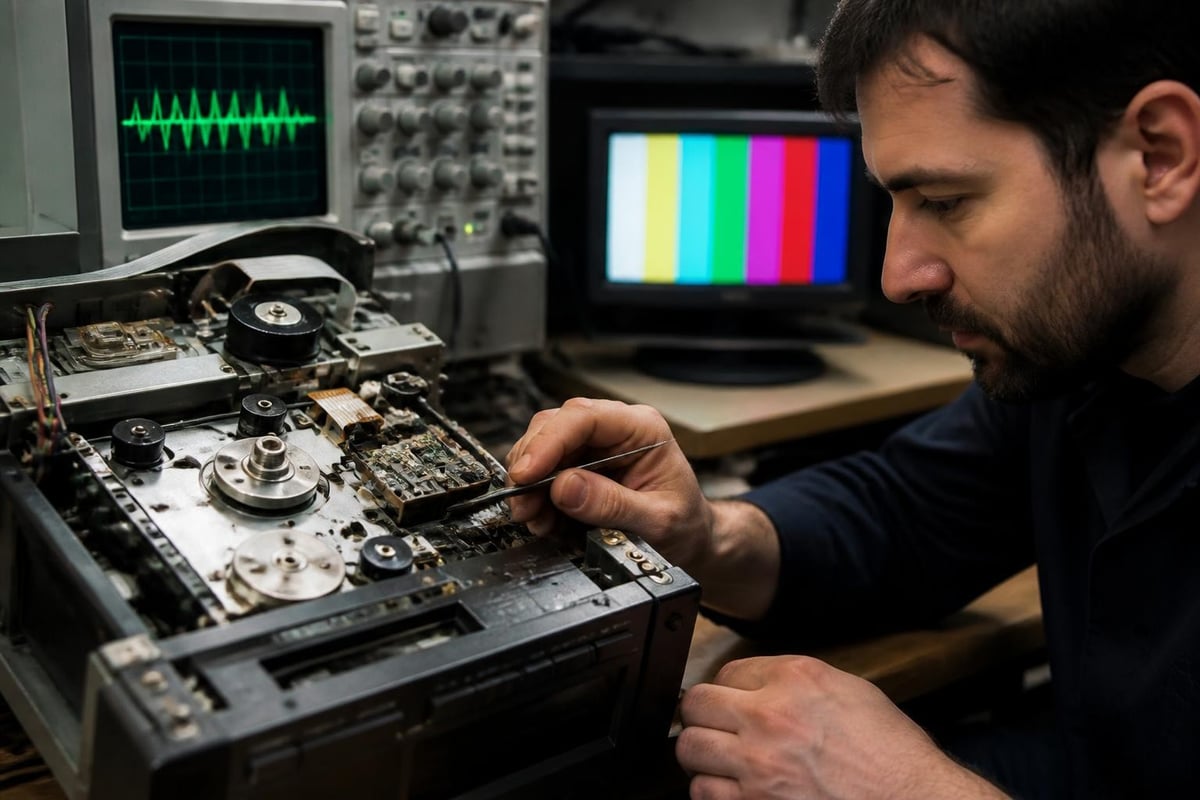
- Time-base correctors that stabilize playback signals require oscilloscope calibration
- Servo systems controlling tape speed need precise adjustment for proper tracking
- Head drums with multiple read/write elements deteriorate differently than consumer units
- Format-specific circuitry varies significantly between MiniDV, S-VHS, and Betacam SP designs
A qualified vcr repair shop maintains technical documentation, service manuals, and diagnostic equipment for each format. This infrastructure represents significant investment, explaining why fewer shops offer these services in 2026 compared to a decade ago.
Diagnostic Procedures and Assessment
The diagnostic phase determines whether repair is economically viable and technically feasible. Professional shops follow systematic testing protocols to isolate mechanical versus electronic failures.
Initial assessment typically examines transport reliability, playback quality, recording capability, and control responsiveness. Technicians evaluate whether symptoms indicate simple wear items (belts, rollers, capacitors) or more serious failures requiring component-level repair or board replacement.
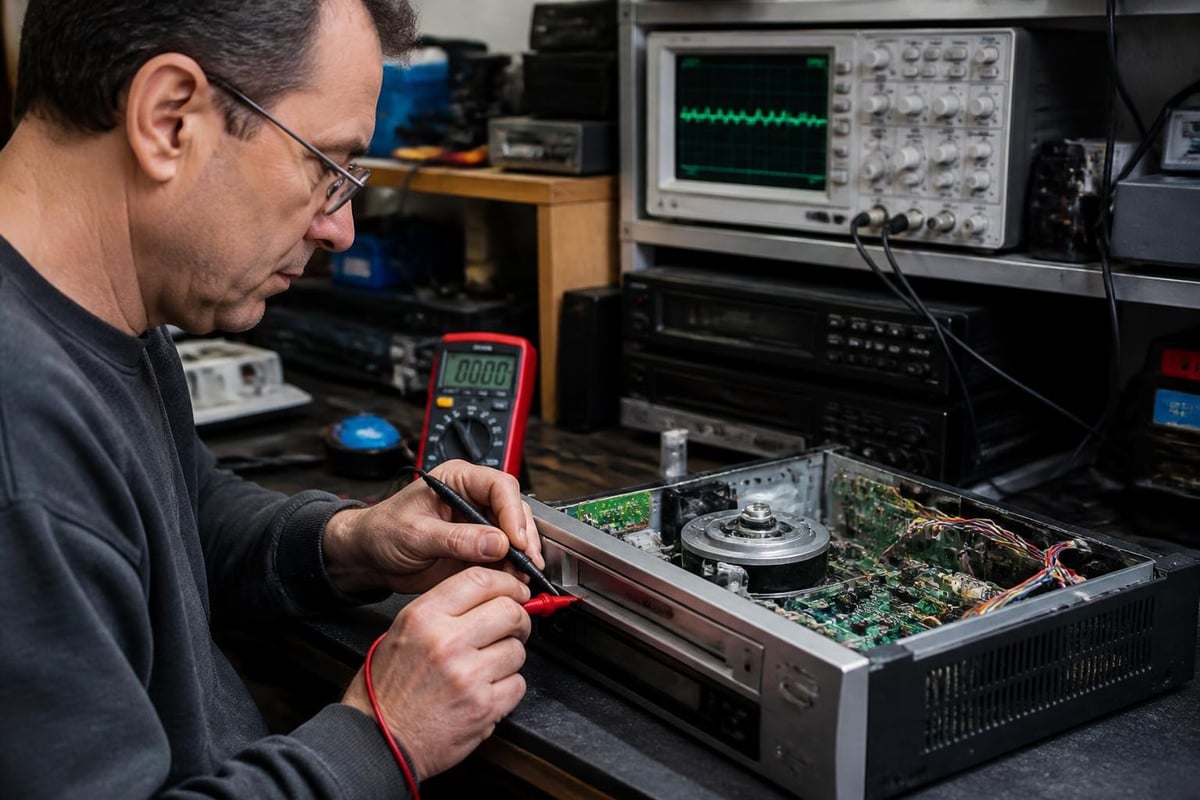
The U.S. National Archives guidance on machine-readable audiovisual media emphasizes that degraded equipment can damage irreplaceable tapes. This makes proper diagnosis essential before attempting playback of valuable archival material.
| Diagnostic Category | Common Issues | Typical Cost Impact |
|---|---|---|
| Transport Mechanical | Worn belts, capstan roller degradation, loading mechanism failure | Moderate - parts available |
| Electronic/Servo | Power supply capacitor failure, servo board malfunction | Moderate to high - requires testing |
| Head Assembly | Worn video heads, clogged head drum, alignment issues | High - precision parts and calibration |
| Format-Specific | Dropout compensation failure, time-base corrector issues | High - specialized knowledge required |
Common Repair Scenarios for Digitization Equipment
Digitization businesses encounter predictable failure patterns based on usage intensity and deck age. Understanding these scenarios helps operators plan maintenance budgets and minimize downtime.
Mechanical Wear and Preventive Replacement
Rubber components deteriorate regardless of usage frequency. Belts become stretched or sticky, pinch rollers harden and lose compliance, and idler tires develop flat spots. These failures cause erratic tape motion, speed instability, and tracking errors that compromise transfer quality.
A professional vcr repair shop stocks or sources appropriate replacement parts for each format. For MiniDV decks, loading mechanism belts frequently require replacement after 5-7 years. S-VHS units experience capstan roller degradation that manifests as wow and flutter in the digitized audio.
Preventive replacement schedules should address:
- Drive belts and loading mechanism belts every 5 years
- Pinch rollers and capstan rollers every 3-4 years of active use
- Mode switches and mechanical sensors showing intermittent operation
- Electrolytic capacitors in power supplies after 10-15 years
Electronic Component Failure
Electronic failures often appear suddenly but typically result from gradual component degradation. Power supply capacitors dry out, voltage regulators drift out of specification, and solder joints develop micro-cracks from thermal cycling.
Modern vcr repair shop technicians use thermal imaging, oscilloscopes, and component testers to identify failing electronics before complete failure. This diagnostic capability prevents catastrophic damage and allows planned repairs rather than emergency service.
The guidance on sources of electronic parts from federal procurement resources helps repair facilities source authentic components rather than counterfeit substitutes that compromise reliability.
Calibration and Alignment Requirements
Proper calibration ensures that digitization produces accurate reproduction of the source material. Professional formats like Betamax and Digital8 incorporate precision adjustments that consumer equipment lacks.
Video Head Alignment and Tracking
Video head alignment affects tracking stability, dropout performance, and signal-to-noise ratio. Misalignment causes horizontal noise bars, tracking errors that vary across the tape length, and reduced high-frequency response that degrades image sharpness.
A vcr repair shop performs alignment using test tapes and specialized measurement equipment. The process involves mechanical adjustment of the head drum assembly, verification with calibrated test signals, and documentation of performance specifications.
Critical alignment parameters include:
- Head azimuth - affects high-frequency response and crosstalk between adjacent tracks
- Tape wrap angle - influences tracking range and mechanical tape handling
- Guide height - controls vertical tape position relative to the head drum
- Back tension - affects tape-to-head contact and transport stability
Electronic Calibration and Signal Processing
Electronic calibration optimizes the signal chain from playback heads through processing circuits to output connectors. This includes FM demodulator alignment, dropout compensator threshold setting, and time-base corrector adjustment.
For digitization operations following the FADGI technical digitization guidelines, proper calibration ensures that captured files accurately represent the source tape without introducing artifacts or signal degradation.
Maintenance Contracts and Downtime Reduction
Production environments cannot afford unpredictable equipment failures. Professional maintenance contracts provide scheduled service, priority repair access, and reduced total cost of ownership.
Preventive Maintenance Schedules
Regular maintenance addresses wear before failure occurs. A structured program includes cleaning, lubrication, mechanical inspection, and performance verification at intervals based on usage intensity.
High-volume digitization facilities benefit from quarterly service intervals, while lower-volume operations may schedule semi-annual maintenance. The vcr repair shop tracks service history, parts replacement, and performance trends to anticipate future needs.
| Maintenance Interval | Service Components | Expected Benefits |
|---|---|---|
| Monthly (in-house) | Head cleaning, external inspection, test tape verification | Optimal playback quality, early problem detection |
| Quarterly | Full cleaning, belt inspection, mechanical lubrication | Extended component life, consistent performance |
| Annual | Complete teardown, all rubber parts inspection, electronic calibration | Maximum reliability, predictable replacement cycles |
| Biennial | Comprehensive rebuild consideration, obsolescence assessment | Long-term equipment strategy, budget planning |
Parts Inventory and Rapid Response
Maintaining critical parts inventory reduces repair turnaround time. Common wear items like belts, rollers, and switches should be stocked for immediate replacement when needed.
Repair facilities serving digitization businesses maintain deeper inventory for professional formats than consumer equipment. This commitment to parts availability distinguishes a specialized vcr repair shop from general service providers.
Format-Specific Repair Considerations
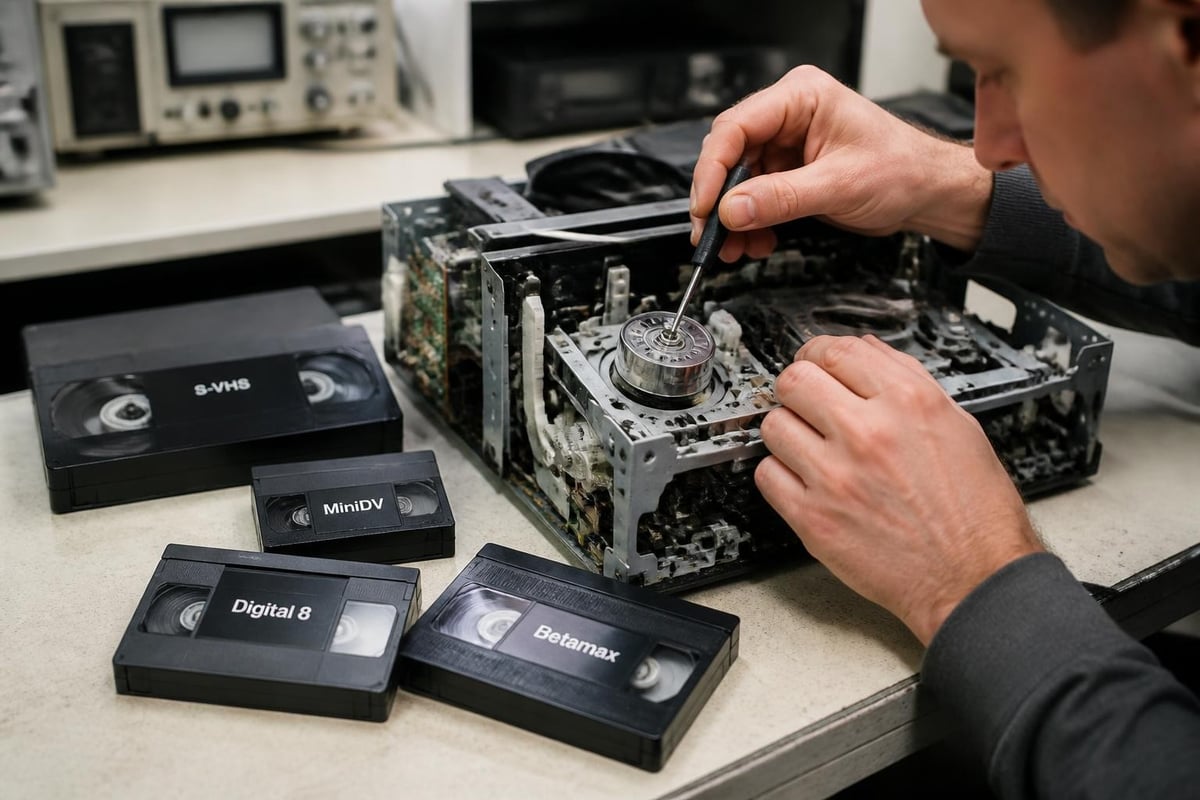
Each videotape format presents unique technical challenges and parts availability issues. Understanding these differences helps operators select appropriate equipment and plan realistic service expectations.
MiniDV and Digital8 Decks
Digital videotape formats use helical scan recording with sophisticated error correction and digital signal processing. MiniDV deck repair often involves mechanism problems rather than pure electronic failures.
Loading mechanisms incorporate multiple sensors, motors, and mechanical linkages that require precise timing. When these systems malfunction, the deck may refuse to accept tapes, display error codes, or eject tapes without playing. A qualified vcr repair shop has the mechanical expertise and service documentation to restore proper operation.
Digital8 decks face additional challenges because they must maintain backward compatibility with analog Hi8 and Video8 tapes. This dual-format capability requires more complex circuitry and additional calibration procedures.
S-VHS and Professional VHS Variants
S-VHS remains valuable for high-quality analog transfers and broadcast archive access. These decks incorporate time-base correction, field-level editing capabilities, and superior signal processing compared to consumer VHS units.
S-VHS deck repair requires attention to the separation of luminance and chrominance signals, which distinguishes S-VHS from composite VHS recording. Misalignment or component failure in these circuits degrades the format's superior resolution advantage.
Betamax and Betacam Variants
Professional Betamax equipment, including Betacam SP and Betacam SX, represents broadcast-quality recording systems with exceptional component availability challenges in 2026. These formats require specialized knowledge due to their sophisticated transport mechanisms and signal processing.
The Film Preservation Foundation's preservation guidance emphasizes that professional Betamax variants contain archival content requiring expert handling. A vcr repair shop serving preservation clients must understand the stakes involved when working with irreplaceable master tapes.
Repair Versus Replacement Economics
Equipment age, parts availability, and repair costs create decision points where replacement becomes more economical than continued repair investment. This calculus varies by format and deck model.
Calculating Total Cost of Ownership
A comprehensive cost analysis includes initial acquisition, ongoing maintenance, repair frequency, and eventual replacement. For actively used digitization equipment, planned replacement every 7-10 years often proves more cost-effective than extended repair cycles on aging units.
Cost factors to consider:
- Initial equipment cost (new, refurbished, or used)
- Annual maintenance contract fees
- Average repair costs per incident
- Downtime impact on production schedules
- Parts availability and lead times
- Technology obsolescence and format demand
VCR rental options provide alternative economics for temporary projects or equipment evaluation before purchase commitment. Rental eliminates repair risk while providing access to maintained, calibrated decks.
Parts Availability Trends
Component scarcity affects repair viability across all analog formats. Specialized ICs, head assemblies, and mechanical sub-assemblies become harder to source each year as original manufacturers discontinue support.
A forward-thinking vcr repair shop maintains strategic parts inventory and develops relationships with specialty suppliers who serve the diminishing but persistent professional videotape market. Some facilities invest in parts decks-non-functional units maintained solely as component donors.
Quality Standards for Archival Transfers
Digitization operations serving libraries, museums, and media archives must meet quality standards that demand properly maintained equipment. The Library of Congress digitization preparation guides establish benchmarks for technical quality and metadata capture.
Signal Quality Metrics
Professional vcr repair shop services should verify that repaired equipment meets objective performance criteria. These include signal-to-noise ratio, frequency response, dropout rate, and time-base error specifications.
Testing procedures use calibrated reference tapes to measure performance across the full frequency spectrum. Documentation of these measurements provides quality assurance for clients and establishes performance baselines for future service intervals.
Proper Storage and Environmental Controls
Equipment reliability depends partly on proper storage between usage periods. The National Archives guidance on video storage conditions addresses both tape preservation and equipment protection from environmental damage.
Temperature stability, humidity control, and dust protection extend equipment life and reduce maintenance requirements. Facilities should avoid rapid temperature changes that promote condensation inside deck mechanisms.
Building a Repair Relationship
Successful long-term equipment operation depends on partnership between the digitization facility and their vcr repair shop. This relationship extends beyond transactional service calls to strategic equipment planning.
Communication and Documentation
Clear communication about symptoms, usage patterns, and previous service history enables efficient diagnosis. Detailed service records track parts replacement, calibration settings, and performance trends over the equipment lifecycle.
Professional repair facilities provide comprehensive documentation after each service, including work performed, parts replaced, test results, and recommendations for future maintenance. This transparency builds trust and supports informed decision-making about repair versus replacement.
Emergency Service and Priority Access
Production schedules sometimes create urgent repair needs when equipment fails during critical projects. Established relationships with a vcr repair shop often include priority service arrangements that minimize costly downtime.
VCR repair services with diagnostic fees and transparent pricing structures help facilities budget for unexpected failures while maintaining production continuity through backup equipment or expedited repair turnaround.
Training and Knowledge Preservation
As experienced videotape equipment technicians retire, the industry faces knowledge transfer challenges. Forward-thinking repair shops invest in documenting procedures, training younger technicians, and preserving service information.
Critical knowledge areas requiring preservation:
- Format-specific alignment procedures and specifications
- Proprietary diagnostic modes and service menus
- Component-level troubleshooting techniques
- Parts cross-reference information for obsolete components
Digitization facilities can support this knowledge preservation by choosing repair partners committed to documentation and training rather than solely the lowest service price.
Future-Proofing Digitization Operations
Strategic equipment planning balances current needs against format obsolescence and declining service availability. Facilities should maintain redundant equipment for critical formats and evaluate rental options for occasional format requirements.
The declining vcr repair shop infrastructure makes equipment selection increasingly important. Choosing models with better parts availability, simpler maintenance requirements, and larger installed bases extends viable service life.
For specialized formats with minimal ongoing demand, rental arrangements provide access without ownership risk. Professional deck rental starting at predictable monthly rates offers budget certainty and eliminates repair cost variability.
Professional videotape equipment repair requires specialized knowledge, authentic parts, and calibration expertise that distinguishes quality service from basic electronics repair. By understanding diagnostic procedures, maintenance requirements, and format-specific challenges, digitization facilities can make informed decisions about equipment service and lifecycle management. Whether you need regular maintenance, emergency repair, or temporary equipment access, VCR Supply provides rental and repair services for professional videotape decks with transparent pricing, expert diagnostics, and maintenance contracts designed to keep your digitization operation running reliably.