VCR Repair Shop Near Me: Professional Service Guide 2026
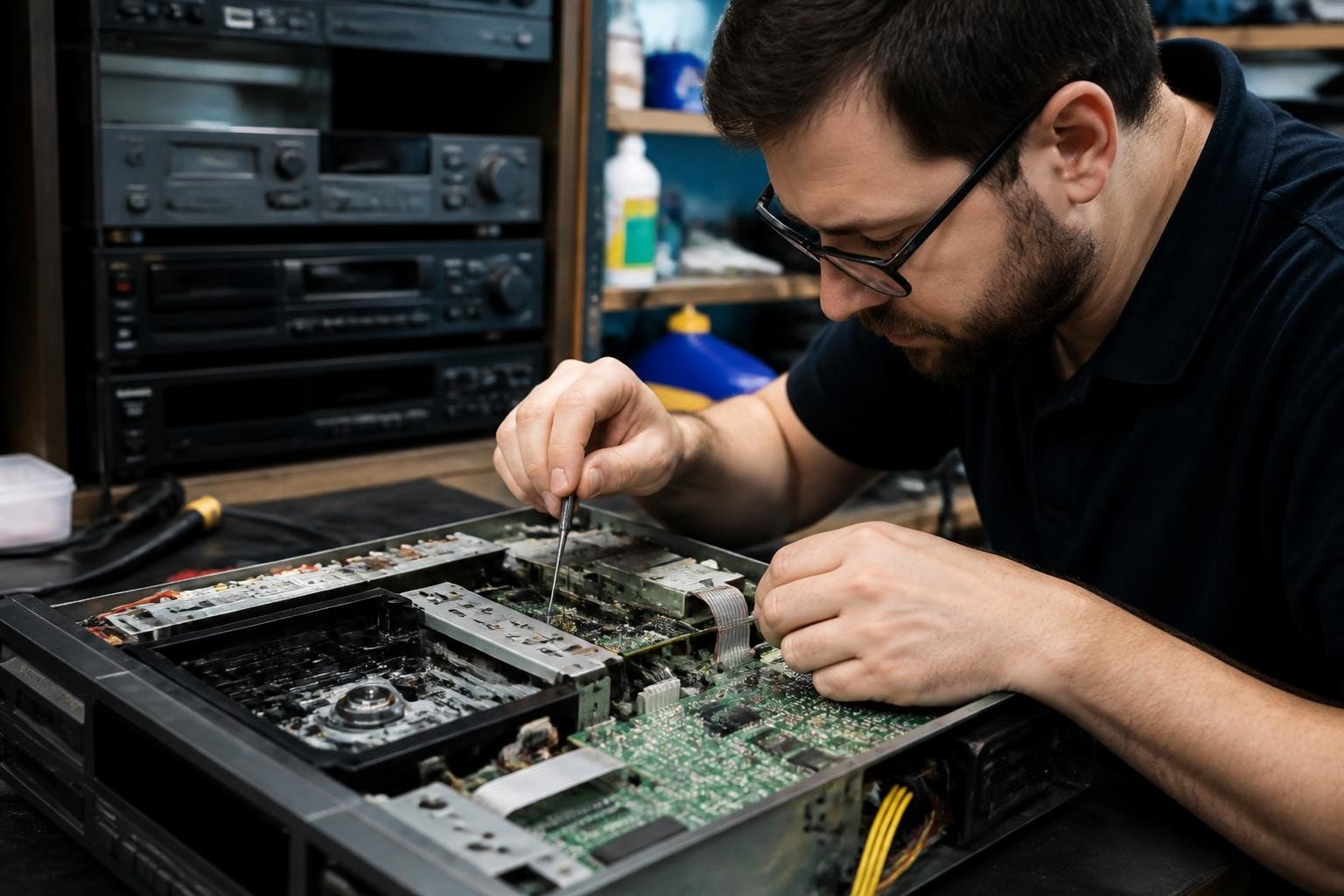
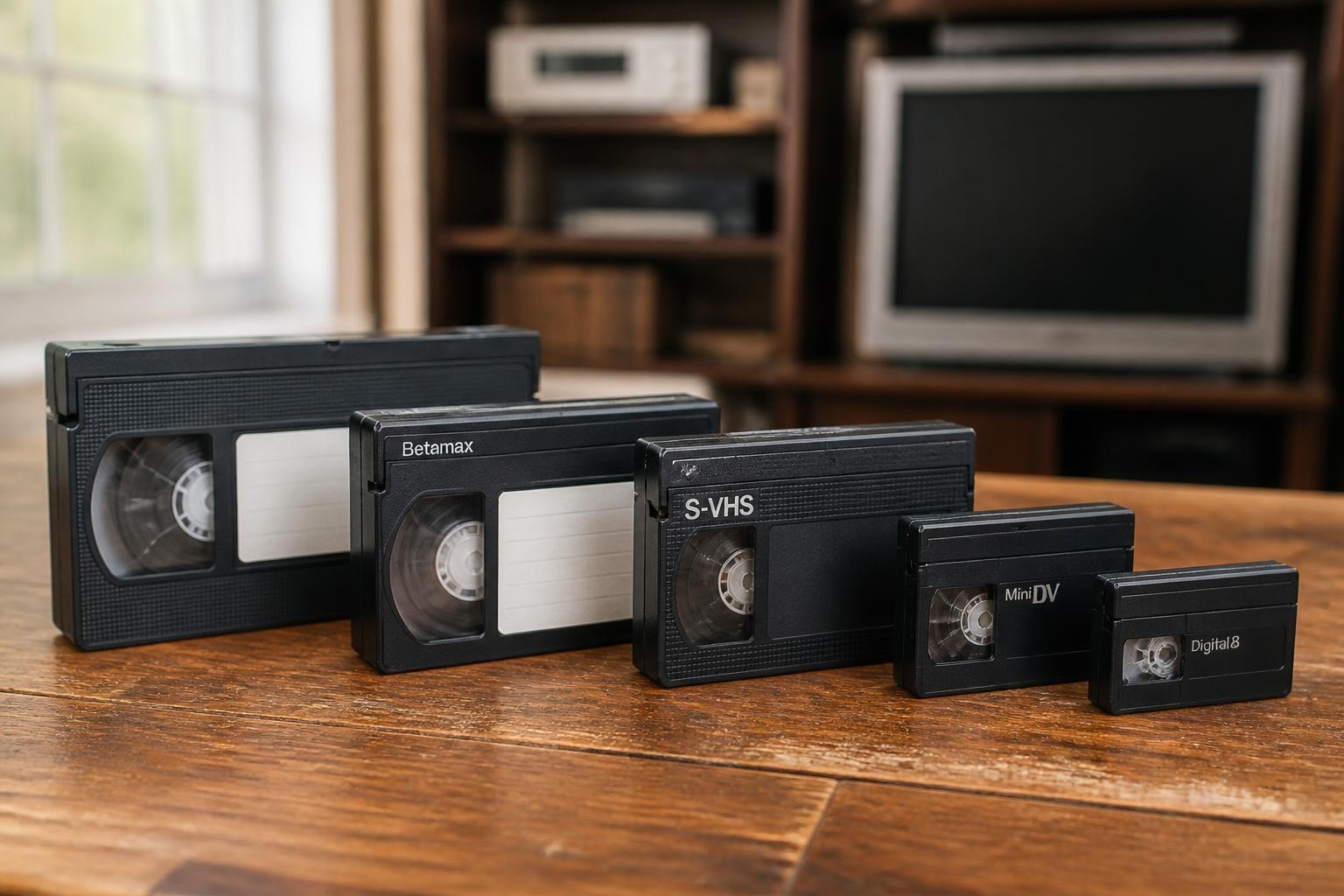
Finding a qualified vcr repair shop near me has become increasingly challenging as consumer VCR use has declined, but professional videotape decks remain essential tools for digitization businesses, archives, and media production companies. While consumer-grade VHS players have largely disappeared from repair benches, specialized shops continue to service professional broadcast and archival equipment including MiniDV, S-VHS, Digital8, and Betamax decks that play critical roles in preserving historical footage and converting legacy media to digital formats. Understanding what separates a qualified professional repair facility from a hobbyist tinkerer can save you thousands of dollars in equipment costs and prevent irreversible damage to priceless tapes.
Why Professional VCR Repair Expertise Matters
Not all repair shops understand the complexities of professional videotape equipment. Consumer VCRs and professional decks share some basic mechanisms, but broadcast-quality machines require specialized knowledge of servo systems, timecode generators, and audio channel configurations that consumer models never possessed.
Professional decks differ from consumer VCRs in several critical ways:
- Multi-channel audio recording (four-channel or higher versus stereo)
- Timecode reading and writing capabilities for editing workflows
- Component video outputs with superior color accuracy
- Industrial-grade transport mechanisms designed for thousands of hours of operation
- Field-replaceable modules rather than integrated circuit boards
When searching for a vcr repair shop near me, prioritize facilities with experience in broadcast and archival equipment rather than those focused solely on consumer electronics. The Association of Moving Image Archivists provides resources on proper handling and maintenance of legacy video equipment, highlighting the specialized knowledge required for professional-grade repairs.
The Economics of Repair Versus Replacement
Professional videotape decks command premium prices on the secondary market precisely because working units have become scarce. A functioning Sony Digital8 deck can sell for $800-1,200, while high-end S-VHS decks often exceed $1,500 when available.
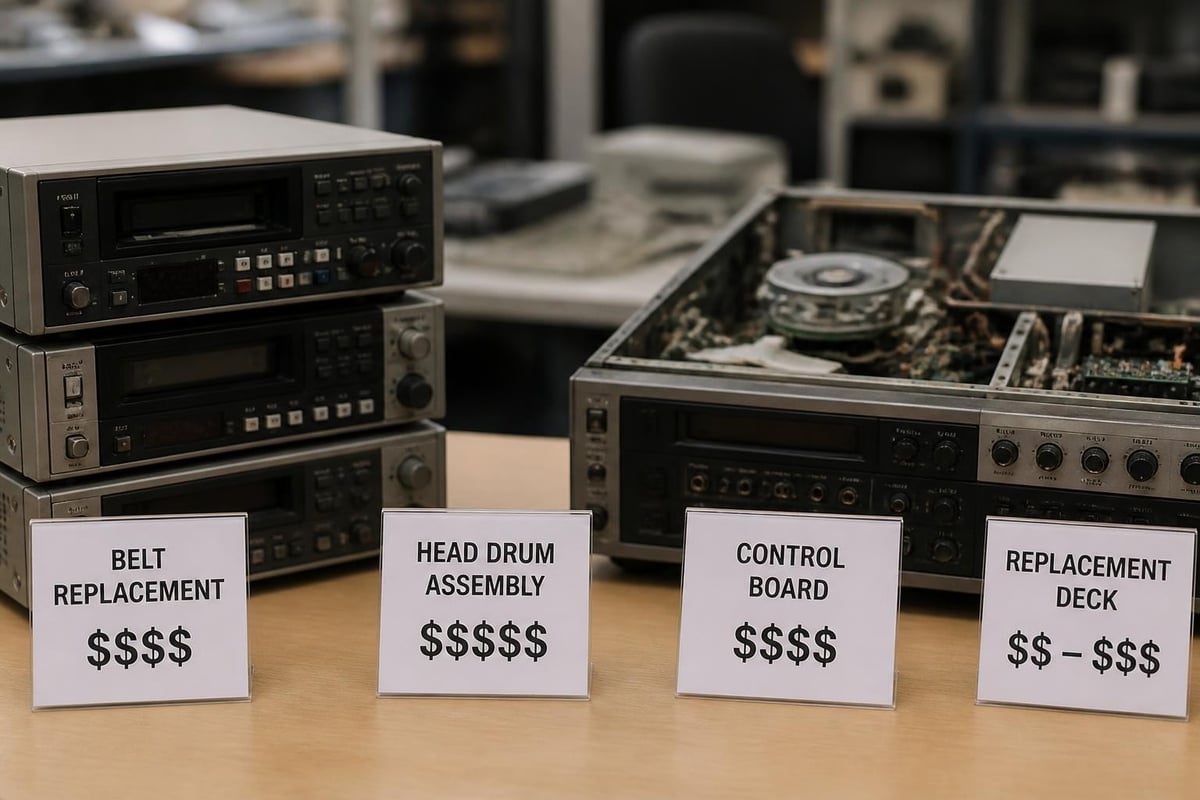
| Repair Scenario | Typical Cost | Replacement Cost | Best Choice |
|---|---|---|---|
| Belt replacement | $150-250 | $800-1,500 | Repair |
| Head drum assembly | $400-600 | $800-1,500 | Repair (if under $500) |
| Control board failure | $350-500 | $800-1,500 | Repair |
| Multiple system failures | $700+ | $800-1,500 | Consider replacement |
Most repairs prove economically viable when costs remain below 60% of replacement value. However, finding replacement units presents its own challenges, as professional deck manufacturing ceased years ago and the available inventory continues to shrink.
What to Look for in a VCR Repair Shop
Identifying a qualified vcr repair shop near me requires evaluating several key factors that indicate technical competence and reliability. Start by asking about the specific formats they service and whether they work with professional decks or only consumer models.
Essential Qualifications and Capabilities
A reputable professional VCR repair facility should demonstrate:
- Format expertise across multiple professional standards including MiniDV, Digital8, Betamax, and various broadcast formats
- Diagnostic equipment such as oscilloscopes, signal generators, and alignment tapes specific to video formats
- Parts inventory or supplier relationships for components no longer in mainstream distribution
- Clean room practices for head drum work and sensitive electronic assemblies
- Transparent pricing with upfront diagnostic fees and detailed repair estimates
The diagnostic fee structure reveals much about a shop's professionalism. Legitimate facilities typically charge between $45 and $85 for initial evaluation, which gets applied toward repair costs if you proceed. Be wary of "free diagnostics" claims, as thorough video deck assessment requires specialized test equipment and significant technician time.
Testing and Calibration Standards
Professional repair extends beyond simply making a deck play a tape. Proper service includes alignment verification, dropout testing, and audio channel calibration to manufacturer specifications. Ask potential repair shops about their testing protocols and whether they use alignment tapes and waveform monitors to verify repairs.
The International Association of Sound and Audiovisual Archives publishes technical guidelines for videotape playback equipment that outline proper testing procedures, providing a benchmark against which to evaluate repair shop practices.
Common VCR Failures and Repair Approaches
Understanding typical failure modes helps you communicate effectively with repair technicians and assess whether quoted repairs make sense for your equipment's symptoms.
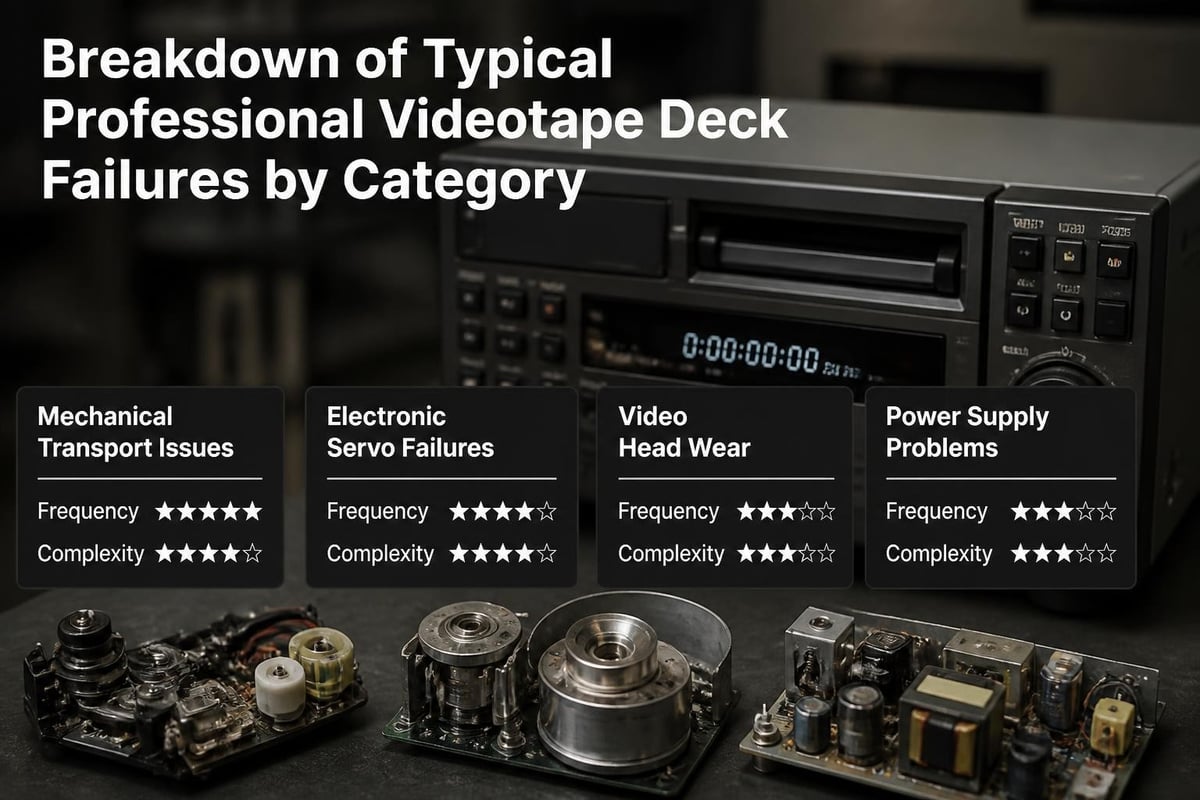
Mechanical Transport Issues
The most frequent problems in aging videotape decks involve mechanical components:
- Belt deterioration causing slow or erratic tape movement
- Pinch roller hardening leading to tracking errors and speed instability
- Mode switch failures preventing proper loading or ejection
- Tape path misalignment from worn guide posts or mounting brackets
These mechanical repairs generally prove straightforward for experienced technicians and represent good value, with parts costs under $50 and labor running $100-200 depending on complexity. When searching for a vcr repair shop near me for mechanical issues, prioritize shops with machining capabilities, as some guide posts and brackets may require custom fabrication.
Electronic and Servo System Failures
More complex repairs involve the electronic control systems:
- Servo board failures affecting capstan and drum motor speed regulation
- Video processing circuit degradation causing dropout or noise
- Timecode reader malfunctions in decks with SMPTE or VITC capability
- Power supply capacitor aging leading to intermittent operation
Electronic repairs require both diagnostic skill and component-level repair capability. Many modern repair shops only perform board-level replacement, swapping entire assemblies rather than identifying and replacing individual failed components. While faster, this approach can be costly when replacement boards are scarce.
| Component Type | Diagnostic Difficulty | Parts Availability | Typical Repair Cost |
|---|---|---|---|
| Drive belts | Easy | Excellent | $150-250 |
| Pinch rollers | Easy | Good | $180-300 |
| Video heads | Moderate | Fair | $350-500 |
| Servo boards | Difficult | Poor | $400-650 |
| Power supplies | Moderate | Fair | $250-400 |
The DIY Repair Question
Some VCR owners wonder whether self-repair makes sense for certain problems. Resources like iFixit's VCR repair guides provide step-by-step instructions for common repairs, but professional decks present unique challenges.
Reasonable DIY repairs for confident hobbyists:
- Belt replacement in easily accessible locations
- External cleaning and basic maintenance
- Tape path cleaning with appropriate supplies
- Simple sensor cleaning and alignment verification
Repairs requiring professional service:
- Head drum replacement or alignment
- Servo system troubleshooting and calibration
- Circuit board component-level diagnosis
- Any repair requiring specialized test equipment
The right to repair movement has made service manuals and schematics more accessible, but professional videotape decks still require specialized knowledge and tools that make DIY repair impractical for most failures. Additionally, improper repair attempts can damage irreplaceable tapes during testing, making professional service the safer choice when working with archival material.
When Rental Makes More Sense Than Repair
For digitization businesses and occasional users, the economics of repair shift considerably when you factor in equipment downtime and opportunity costs. A vcr repair shop near me might quote a perfectly reasonable $400 repair with a three-week turnaround, but those three weeks represent lost revenue for businesses with pending digitization projects.
Comparing Repair Timeline to Rental Options
Professional VCR rental services provide immediate access to tested, calibrated equipment while your unit undergoes repair. Monthly rental rates starting at $99 for decks like the Sony GV-D200 Digital8 or JVC SR-VS30U S-VHS often cost less than the revenue lost during repair downtime.
Consider this scenario: A digitization shop charges $40 per tape for MiniDV deck rental projects. If equipment failure delays ten projects while waiting for repair, that's $400 in lost immediate revenue plus potential client dissatisfaction and schedule disruption.
Rental advantages during the repair decision process:
- Immediate equipment availability (often same-day or next-day shipping)
- Pre-calibrated decks with verified performance
- No upfront capital investment for backup units
- Flexibility to scale capacity during busy periods
- Access to formats you rarely need without purchasing dedicated decks
Preventive Maintenance and Service Contracts
The best repair is the one you never need. Professional videotape equipment benefits enormously from scheduled preventive maintenance, which addresses minor issues before they cascade into major failures.
Components of Professional Maintenance Programs
Comprehensive VCR maintenance contracts typically include quarterly or semi-annual service visits covering:
- Complete tape path cleaning and inspection
- Belt tension verification and replacement on schedule
- Video head inspection and cleaning (non-invasive)
- Servo calibration and speed verification
- Audio channel alignment and crosstalk testing
- Preventive lubrication of mechanical assemblies
- Capacitor testing in power supply sections
Maintenance contracts reduce total cost of ownership by catching problems early and extending equipment lifespan. For businesses operating multiple decks, contracts also provide predictable budgeting rather than surprise repair expenses.
The Digital Preservation Coalition's guidance on magnetic tape risk management emphasizes regular equipment maintenance as critical to successful long-term preservation strategies, particularly for organizations managing archival collections.
Geographic Challenges in Finding VCR Repair Services
The phrase "vcr repair shop near me" assumes geographic proximity matters, but the reality of specialized video equipment repair in 2026 is that true expertise may not exist locally. The concentration of qualified technicians in major metropolitan areas means many customers must ship equipment for service.
Evaluating Remote Repair Services
When local options don't exist, remote service becomes necessary. Reputable remote repair facilities provide:
- Detailed shipping instructions including proper packaging requirements for delicate video heads
- Insured shipping labels or coordination with specialized electronics shipping services
- Photo or video documentation of equipment condition upon receipt
- Regular status updates throughout the diagnostic and repair process
- Post-repair testing documentation including alignment measurements and test recordings
Ask about turnaround times and whether expedited service is available for urgent repairs. Some facilities offer VCR repair services with guaranteed turnaround windows and loaner equipment options to minimize downtime.
Special Considerations for Archival and Broadcast Equipment
High-end professional decks like Betacam SP, U-matic, and DVCAM require even more specialized expertise than prosumer MiniDV or S-VHS formats. When searching for a vcr repair shop near me for broadcast equipment, verify the technician's experience with your specific model and format.
Broadcast Equipment Unique Requirements
Professional broadcast decks often incorporate features absent from prosumer models:
- Multi-format playback compatibility requiring complex switching logic
- Professional audio interfaces (XLR, balanced line-level)
- Genlock and synchronization capabilities for editing suites
- Redundant power supplies and hot-swappable components
- Proprietary diagnostic modes accessible only through service menus
The National Archives guidance on machine-readable media emphasizes the importance of maintaining proper playback equipment for archival access, noting that equipment failure can render entire collections inaccessible when replacement decks become unavailable.
Questions to Ask Before Committing to Repair
Before authorizing work at any vcr repair shop near me, gather specific information to protect yourself and ensure quality service:
Pre-repair questions checklist:
- What is the diagnostic fee, and does it apply to the repair cost?
- What is your estimated turnaround time, and what factors might extend it?
- Will you contact me with a detailed estimate before proceeding with repairs?
- What warranty or guarantee do you provide on repair work?
- Do you have experience with my specific model and format?
- What testing will you perform to verify the repair?
- Can you provide references from other professional clients?
Document all communications and get written estimates before authorizing work. Professional repair shops understand these are reasonable questions and answer them clearly and confidently.
Alternative Equipment Strategies for Businesses
Digitization businesses and archives should develop equipment strategies that minimize vulnerability to repair delays. A single-deck operation faces existential risk when that deck fails, while multi-deck facilities can redistribute work during outages.
Building Equipment Redundancy
Consider these approaches to equipment reliability:
| Strategy | Capital Cost | Operational Flexibility | Downtime Risk |
|---|---|---|---|
| Own single deck | Low | None | Very high |
| Own multiple decks | High | High | Low |
| Rent primary equipment | Medium | Very high | Very low |
| Own + rent as needed | Medium | High | Low |
| Maintenance contract | Low (ongoing) | Medium | Medium |
Many successful digitization operations blend ownership of their most-used formats with rental access to specialized equipment. For example, owning VHS and MiniDV decks for high-volume work while renting Betamax deck access or Hi8 capability for occasional projects optimizes both capital efficiency and operational flexibility.
The Future of VCR Repair Services
As equipment ages and manufacturing expertise retires, the vcr repair shop near me landscape will continue to consolidate. Fewer shops will service more customers from wider geographic areas, making relationships with qualified providers increasingly valuable.
Forward-thinking equipment owners are:
- Stockpiling critical spare parts while still available
- Documenting their equipment with photos, serial numbers, and service histories
- Establishing relationships with qualified repair providers before emergencies arise
- Considering rental as a strategic alternative to ownership for backup capacity
- Investing in maintenance to extend equipment lifespan
The specialized knowledge required for professional videotape deck repair makes this a field where expertise commands premium pricing. Budget accordingly and view repair costs as investments in preserving access to legacy media formats that won't be playable any other way.
Finding a qualified vcr repair shop near me requires understanding the distinction between consumer VCR tinkering and professional broadcast equipment service, then evaluating shops based on format expertise, diagnostic capabilities, and transparent pricing. When repair timelines or costs don't align with business needs, rental provides immediate access to calibrated equipment without the downtime. Whether you need immediate equipment access, professional repair services with diagnostic evaluation, or maintenance contracts to keep your decks running reliably, VCR Supply serves digitization professionals with rental options starting at $99 monthly, $45 diagnostic fees, and maintenance programs designed to minimize costly downtime.