Video Cassette Recorder VHS: A Professional Guide
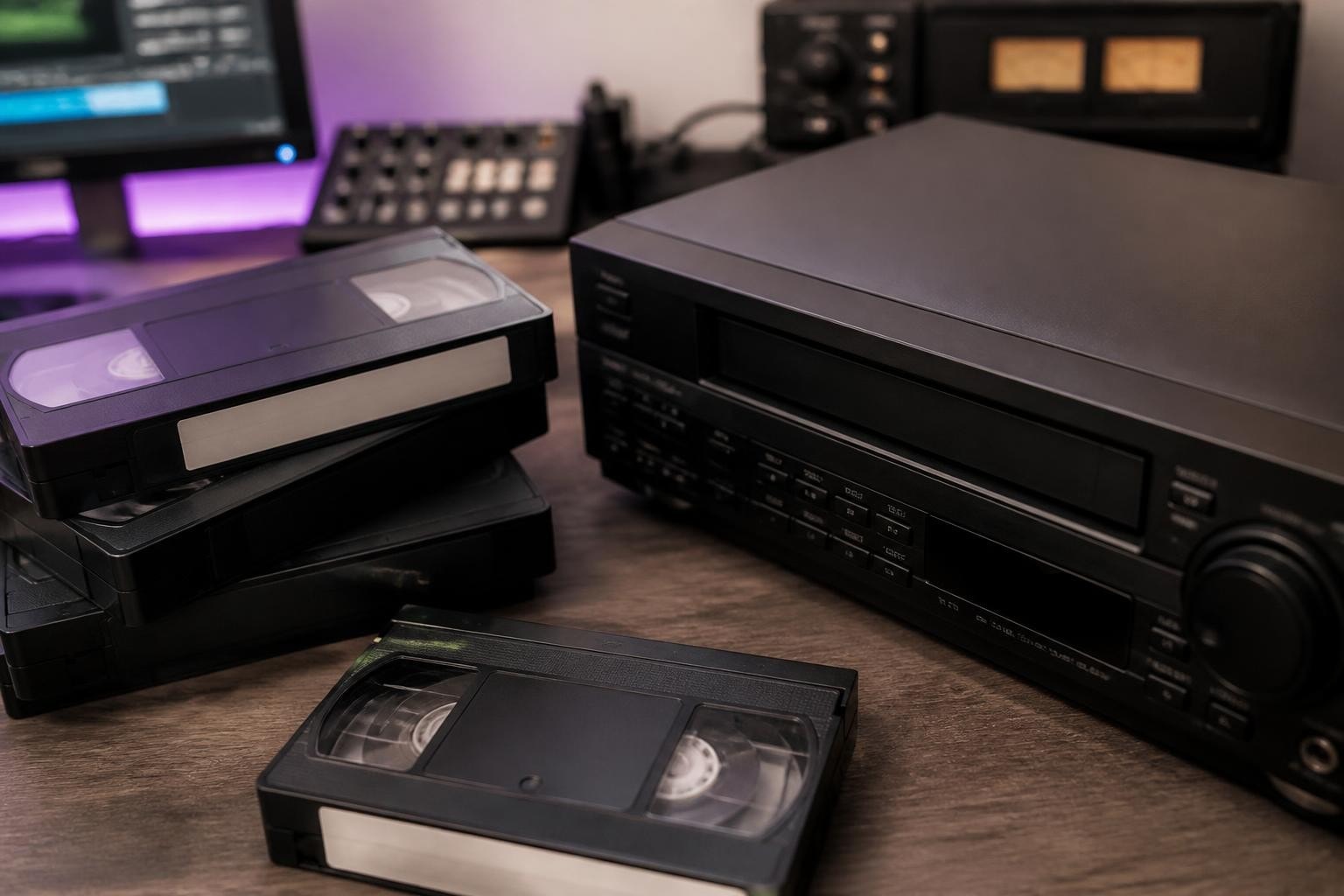
The video cassette recorder vhs format revolutionized home entertainment and continues to play a critical role in archival digitization today. While consumer VHS technology may seem outdated, professional videotape facilities and digitization shops rely on high-quality VHS playback equipment to transfer irreplaceable footage from aging tapes. Understanding the technical specifications, preservation challenges, and equipment requirements for VHS workflows ensures successful media migration projects in 2026 and beyond.
The Technical Foundation of VHS Technology
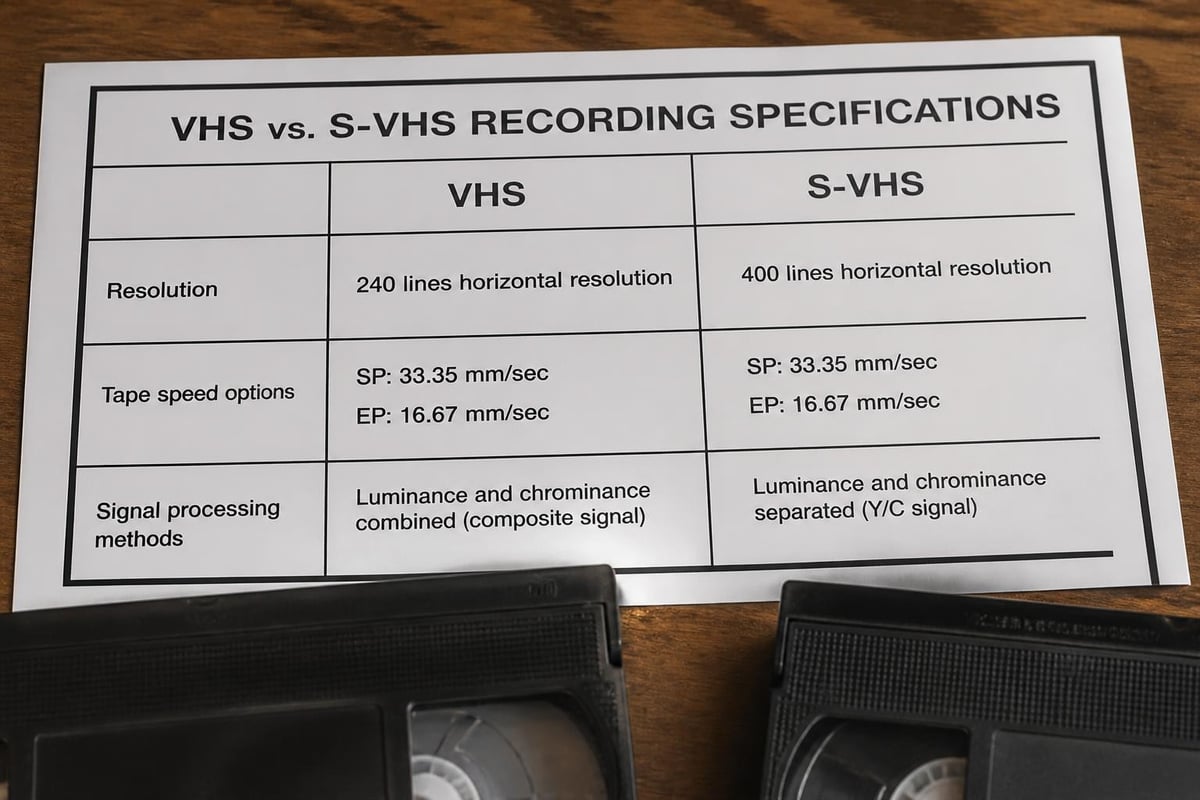
The Video Home System (VHS) emerged as the dominant consumer video format through a combination of licensing strategy, manufacturing partnerships, and practical design choices. A video cassette recorder vhs system uses helical scan recording to write diagonal video tracks across half-inch magnetic tape, achieving approximately 240 horizontal lines of resolution in standard play mode.
Recording Specifications and Variants
VHS technology evolved significantly from its 1976 introduction, spawning several professional variants that improved upon the baseline consumer format:
- Standard VHS: 240 lines horizontal resolution, mono or stereo audio
- S-VHS (Super VHS): 400+ lines resolution with separate Y/C signals
- VHS-C: Compact cassette format requiring adapter for standard decks
- D-VHS: Digital recording variant capable of high-definition content
The S-VHS format became particularly important for professional applications, offering substantially improved image quality for training videos, event documentation, and broadcast applications. Digitization facilities working with S-VHS material require specialized decks capable of reading the higher-frequency luminance signal.
Professional video cassette recorder vhs equipment incorporates frame-accurate transport controls, time base correctors, and manual tracking adjustments that consumer models lack. These features prove essential when working with degraded or challenging source material during archival transfers.
The Format War That Shaped Home Video
The competition between VHS and Sony's Betamax format represented one of technology's most studied market battles. Academic analysis of the VHS triumph reveals that licensing strategy and recording time advantages outweighed Betamax's superior image quality in consumer decision-making.
| Feature | VHS | Betamax |
|---|---|---|
| Recording Time (initial) | 2 hours | 1 hour |
| Horizontal Resolution | 240 lines | 250 lines |
| Tape Width | 1/2 inch | 1/2 inch |
| Market Share (1985) | 70% | 25% |
| Licensing Model | Open | Restricted |
JVC's decision to license VHS technology broadly to manufacturers like Panasonic, Sharp, and Hitachi created market momentum that Sony's proprietary approach couldn't match. By 1988, VHS had captured over 95% of the North American market, establishing a standard that would persist for two decades.
Professional Applications and Archival Significance
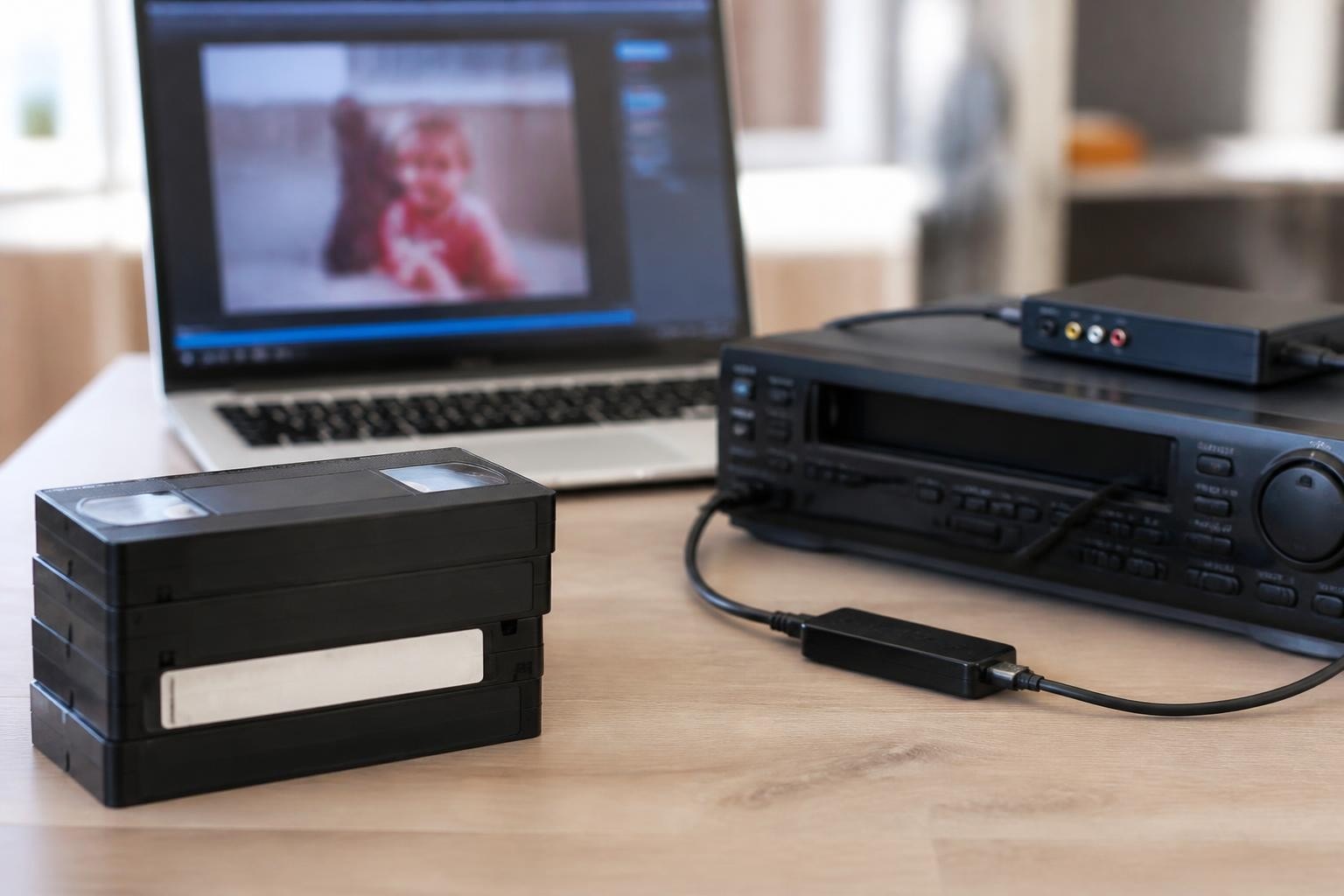
While streaming services dominate entertainment consumption in 2026, millions of hours of unique video cassette recorder vhs content exist only on aging magnetic tape. Cultural institutions, television networks, and private collectors face urgent deadlines to migrate this material before playback becomes impossible.
Preservation Challenges and Solutions
The U.S. National Archives provides comprehensive guidance on VHS preservation, emphasizing that magnetic tape degrades continuously regardless of storage conditions. Professional digitization requires:
- Environmental assessment of tape condition before playback
- Calibrated playback equipment with adjustable tracking and tension
- Real-time monitoring for dropout, noise, and sync errors
- Multiple format support for S-VHS, VHS-C, and regional variants
- Quality verification through waveform and vectorscope analysis
Digitization shops must maintain inventories of working video cassette recorder vhs decks as replacement parts become scarce. VCR rental services provide cost-effective access to professional-grade equipment without the capital investment and storage requirements of ownership.
The Library of Congress documented the television preservation crisis in 1997, warning that videotape formats faced technical obsolescence within decades. That prediction has materialized, making 2026 a critical year for VHS migration projects.
Equipment Maintenance and Operational Considerations
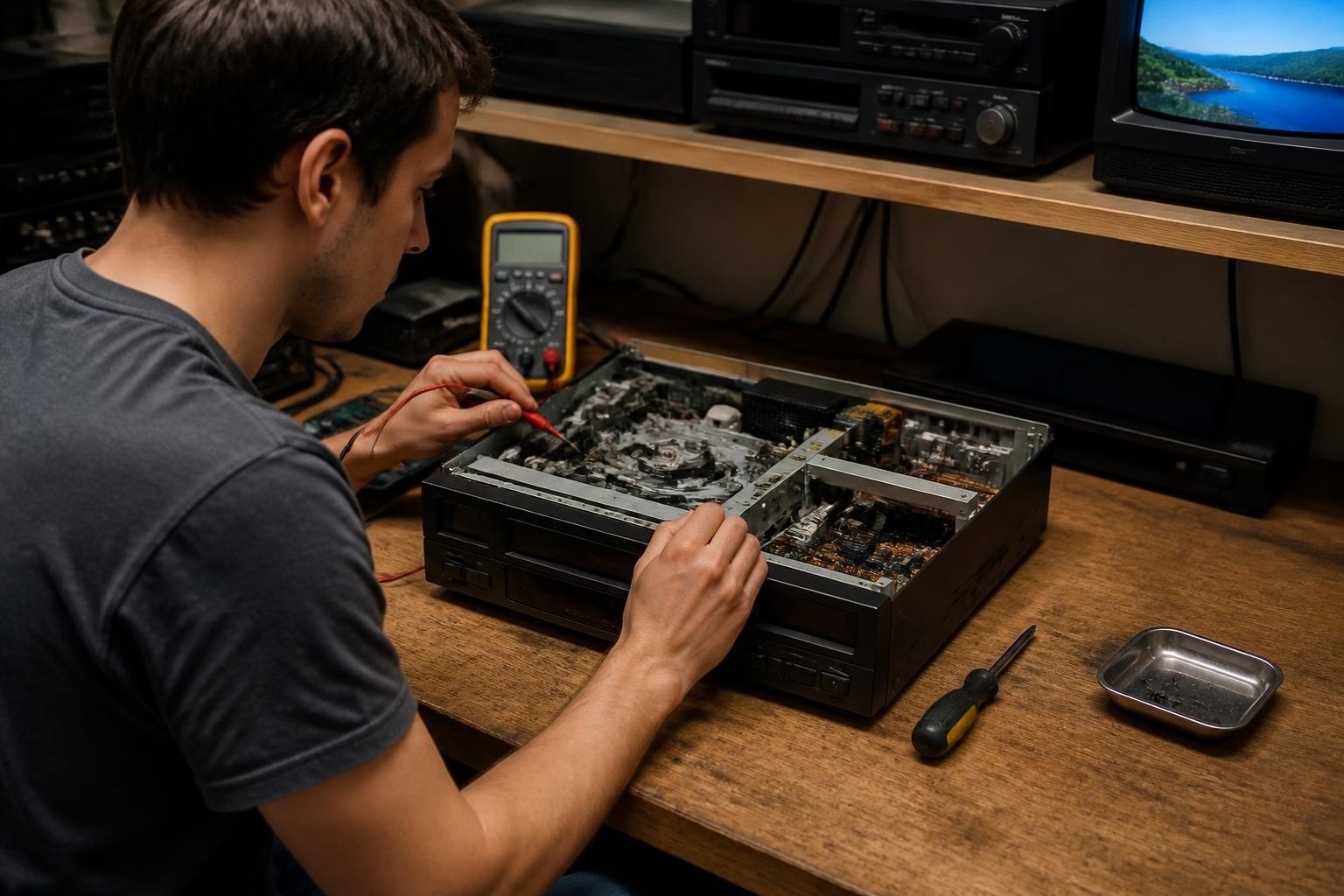
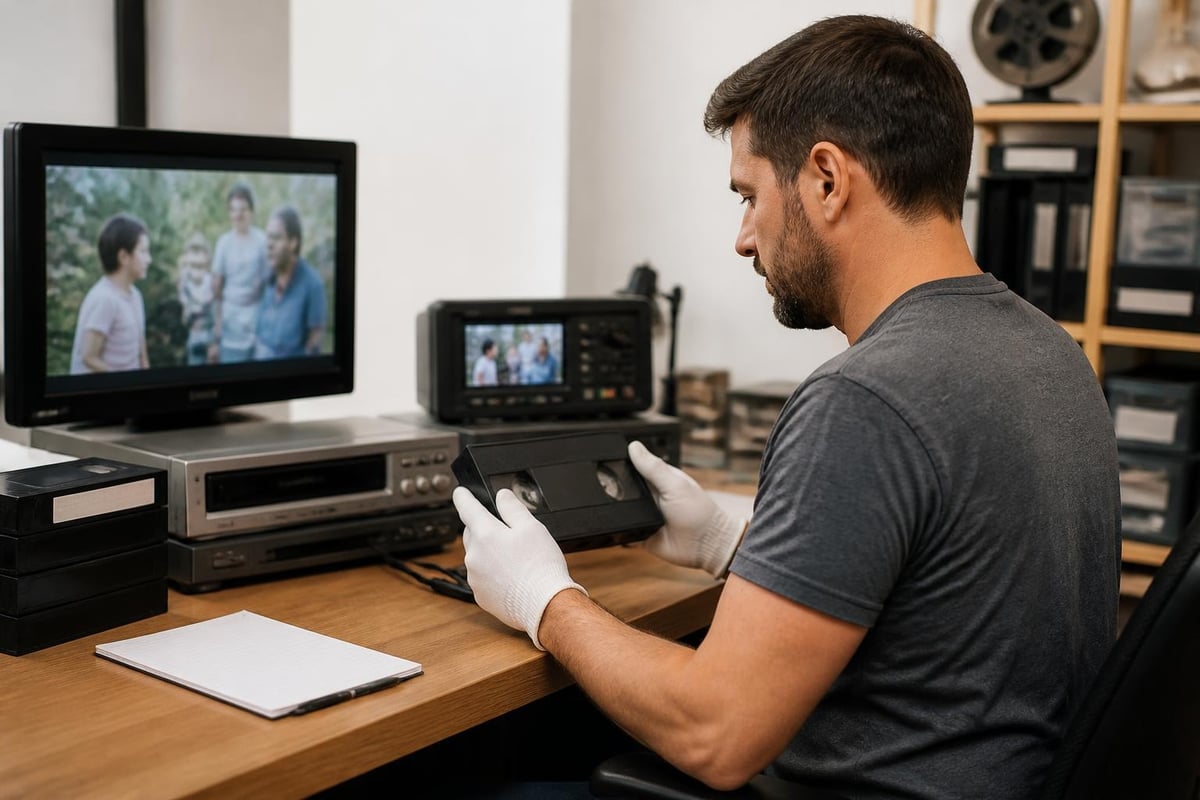
Professional video cassette recorder vhs playback requires regular maintenance to ensure optimal performance and prevent damage to irreplaceable source material. Transport mechanisms, video heads, and electronics degrade through normal use and age-related component failure.
Critical Maintenance Procedures
Video heads require cleaning before each session when working with unknown or potentially contaminated tapes. Oxide shedding from degraded VHS tapes accumulates on the drum assembly, causing signal dropout and tracking errors that compromise transfer quality.
Monthly maintenance tasks include:
- Video head inspection and cleaning with chamois-tip swabs
- Capstan and pinch roller cleaning with isopropyl alcohol
- Belt tension verification and replacement when elasticity degrades
- Lubrication of mechanical transport components
- Electronic calibration of video and audio circuits
Professional VCR maintenance contracts reduce equipment downtime by scheduling preventive service before failures occur. For facilities processing dozens of tapes monthly, maintenance costs represent a fraction of potential revenue loss from equipment unavailability.
The British Film Institute documents that videotape equipment maintenance requires specialized knowledge increasingly rare in 2026. Experienced technicians capable of servicing video cassette recorder vhs equipment represent a diminishing resource as the technology ages beyond typical service lifetimes.
Rental Versus Ownership for Digitization Operations
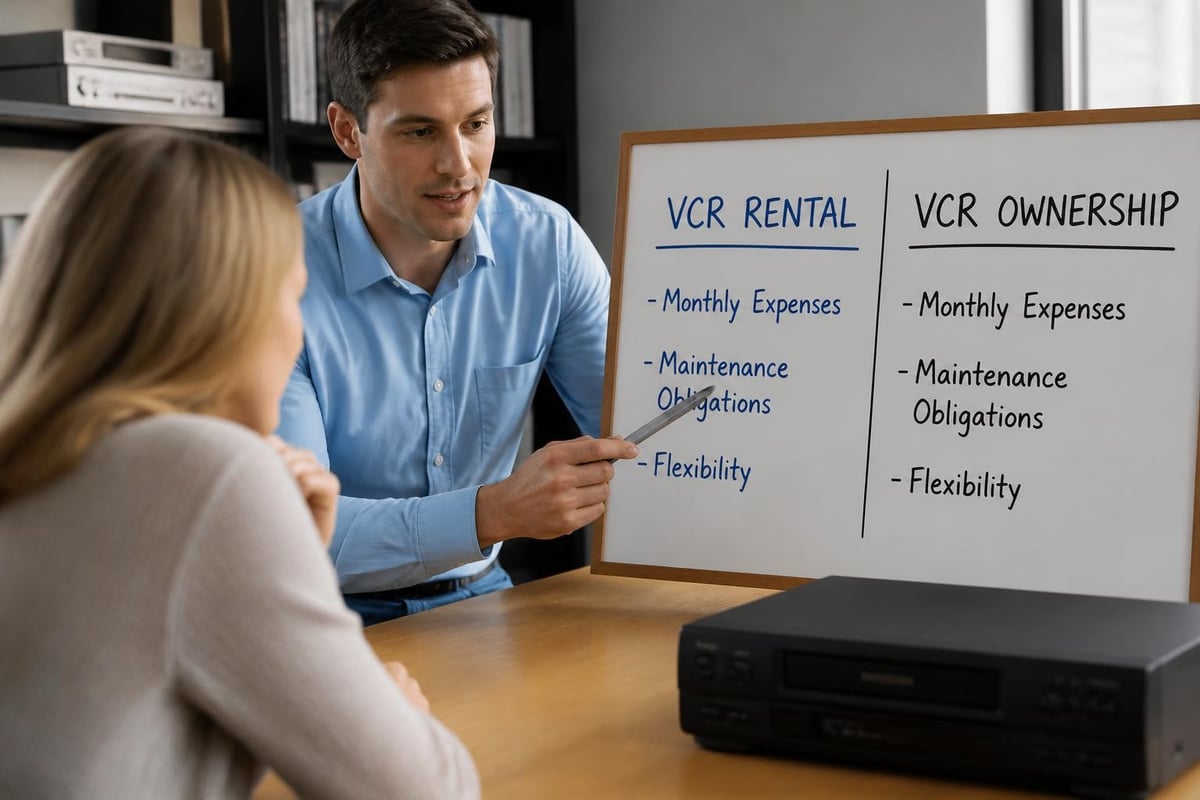
Digitization businesses face strategic decisions about equipment acquisition. Professional video cassette recorder vhs decks command premium prices on secondary markets, while reliability concerns complicate purchasing decisions for used equipment.
Economic Analysis of Equipment Strategies
| Consideration | Rental Model | Ownership Model |
|---|---|---|
| Initial Capital | Minimal ($99/month) | High ($500-$2,500) |
| Maintenance Risk | Included in contract | Owner responsibility |
| Technology Flexibility | Easy format switching | Fixed investment |
| Tax Treatment | Operating expense | Depreciation schedule |
| Downtime Exposure | Backup units available | Single point of failure |
Rental options starting at $99 monthly allow digitization shops to match equipment costs directly to project revenue. When VHS transfer demand fluctuates seasonally, rental agreements provide flexibility that equipment purchases cannot.
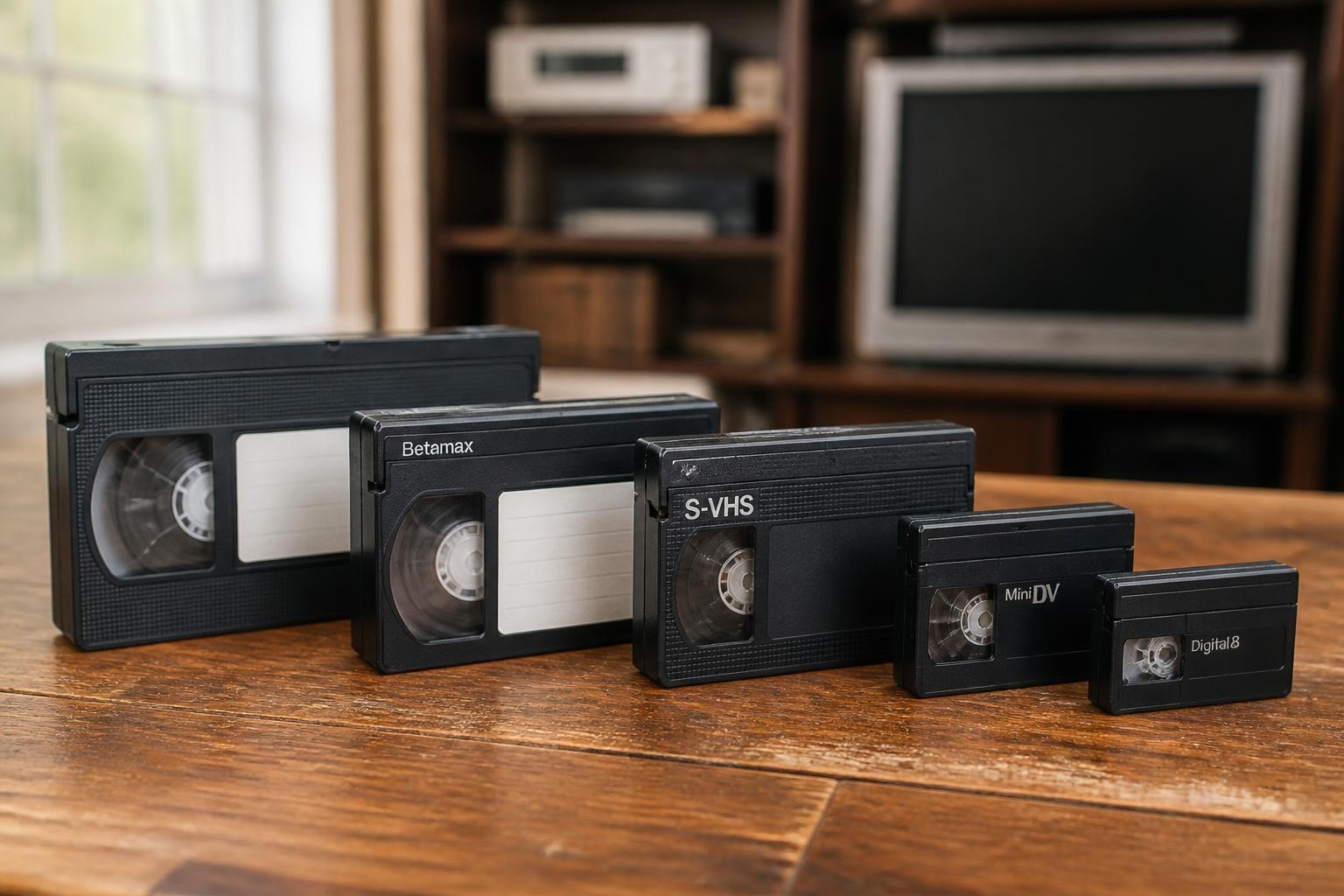
Facilities specializing in multiple videotape formats benefit particularly from rental arrangements. Rather than maintaining inventory across MiniDV, Digital8, Betamax, and video cassette recorder vhs formats, shops can rotate equipment as project requirements dictate.
Community Digitization and Cultural Preservation
Beyond commercial digitization services, community organizations increasingly recognize the importance of preserving local video cassette recorder vhs collections. The Library of Congress Memory XFR initiative demonstrates how pop-up digitization events help individuals transfer family recordings before tape degradation makes playback impossible.
Supporting Institutional Digitization Projects
Museums, historical societies, and educational institutions often possess extensive VHS collections documenting local events, oral histories, and cultural programs. These organizations typically lack both equipment and expertise for in-house digitization, creating opportunities for professional services.
Institutional clients require:
- Format identification across VHS variants and regional standards
- Batch processing capabilities for large collections
- Metadata creation and archival packaging
- Quality assurance documentation
- Long-term storage format consultation
The IASA technical guidelines provide internationally recognized best practices for video preservation projects. Professional digitization facilities implementing IASA-TC 06 standards position themselves as qualified vendors for grant-funded preservation initiatives.
Professional VCR repair services become critical when institutional collections contain unusual tape variants or when playback reveals equipment calibration issues. A $45 diagnostic fee represents minimal investment compared to potential data loss from improper playback attempts.
Cultural Impact and Preservation Priorities
The video cassette recorder vhs format shaped media consumption patterns for an entire generation while creating ephemeral recording habits that preservation professionals now struggle to address. Unlike film or professionally mastered content, home VHS recordings often exist as unique copies with no backup or distribution system.
The Museum of Arts and Design explores VHS cultural significance through programming that examines video store culture, mixtape aesthetics, and the democratization of video production. This cultural perspective informs preservation priorities by identifying content categories at highest risk.
High-priority VHS preservation categories include:
- Local television news and public access programming
- Amateur sports documentation and school events
- Family oral histories and genealogical interviews
- Independent film and video art distributed on VHS
- Training materials and educational content never digitized
Professional digitization facilities equipped with calibrated video cassette recorder vhs playback equipment serve as the last line of defense against permanent loss of this material. As working VHS decks become increasingly scarce, the window for successful migration narrows annually.
Technical Specifications for Professional Playback
Commercial video cassette recorder vhs equipment differs substantially from consumer models in transport precision, signal processing, and durability. Professional decks incorporate features essential for archival-quality digitization that consumer units lack entirely.
Professional Feature Requirements
Time base correction stabilizes playback from tapes with timing inconsistencies caused by tape stretch, environmental damage, or manufacturing variations. Without TBC, captured video exhibits horizontal tearing and sync instability that post-processing cannot fully correct.
Critical professional specifications:
- Frame-accurate shuttle controls for precise navigation
- Manual tracking adjustment to optimize head-to-tape alignment
- Component video outputs (Y/C separation) for S-VHS material
- Audio level meters and manual gain adjustment
- Remote control interfaces for automated batch processing
Facilities processing commercial video cassette recorder vhs content must verify that equipment supports all regional standards. NTSC, PAL, and SECAM variants require different playback electronics despite using identical cassette shells and tape formulations.
Specialized VHS equipment rental provides access to professional-grade decks without requiring expertise in equipment maintenance and repair. For project-based digitization work, short-term rentals match equipment availability precisely to revenue opportunities.
Regional Format Considerations and Compatibility
The video cassette recorder vhs specification fragmented across international markets, creating compatibility challenges that persist in digitization workflows. Television broadcast standards dictated distinct VHS implementations that remain mutually incompatible without specialized equipment.
| Region | Standard | Line Count | Frame Rate | Color Encoding |
|---|---|---|---|---|
| Americas | NTSC | 525 | 29.97 fps | YIQ |
| Europe | PAL | 625 | 25 fps | YUV |
| France/Russia | SECAM | 625 | 25 fps | Sequential color |
Professional digitization facilities must maintain playback capability across regional variants or risk turning away international clients. Multi-standard VHS decks command premium prices but provide necessary flexibility for diverse collections.
Future-Proofing Digitization Workflows
As video cassette recorder vhs playback equipment ages beyond designed service life, digitization professionals must develop strategies ensuring continued operation through the final migration window. Component-level repair, strategic parts acquisition, and equipment redundancy mitigate availability risks.
The diminishing population of working VHS decks creates urgency for collections still awaiting digitization. Archivists project that 2030 represents a practical deadline for VHS migration as equipment failure rates accelerate and replacement parts exhaust remaining supplies.
Strategic planning considerations include:
- Establishing relationships with specialized repair facilities capable of component-level service
- Stockpiling critical wear components like belts, pinch rollers, and capacitors
- Documenting equipment calibration procedures for in-house maintenance
- Developing vendor relationships for emergency equipment replacement
- Pricing services to reflect increasing equipment scarcity
Digitization businesses investing in VHS capabilities in 2026 enter a market with declining competition but accelerating demand. As equipment availability tightens, facilities with maintained playback capability can command premium pricing for increasingly urgent migration projects.
Professional video cassette recorder vhs equipment remains essential for digitization operations serving archival, institutional, and private clients with legacy video collections. Whether your facility requires occasional format support or maintains dedicated VHS workflows, access to properly maintained playback equipment determines project success. VCR Supply provides rental and repair services for professional videotape decks, offering flexible monthly rental options starting at $99 and comprehensive maintenance support to keep your digitization operations running without costly downtime.