Video Tape Recorder: Professional Guide for 2026
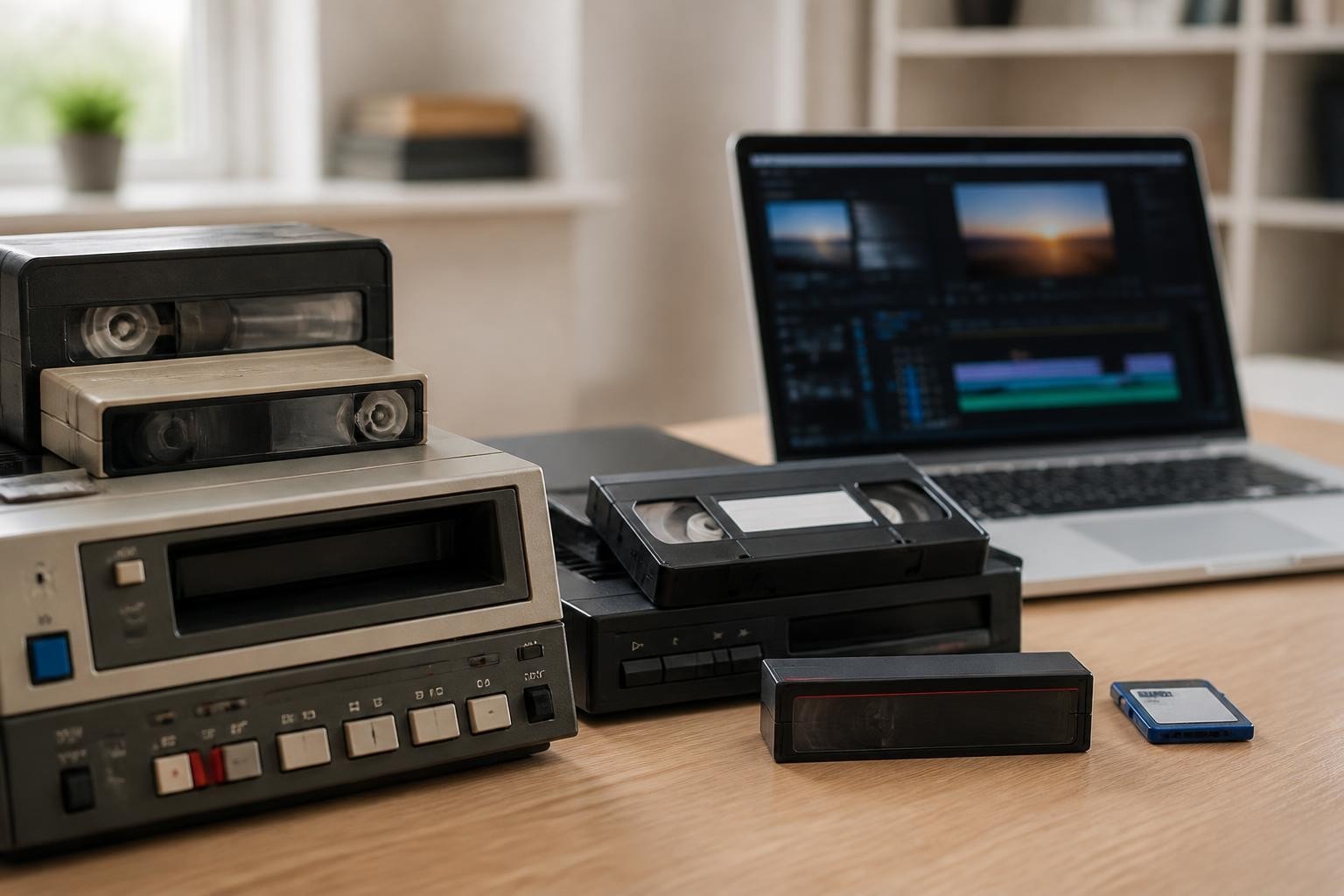
The video tape recorder transformed how the world captured, stored, and distributed moving images, creating an industry that lasted over five decades. While streaming and digital storage dominate today's landscape, professional video tape recorders remain critical tools for digitization shops, archives, and media preservation facilities working to transfer millions of hours of irreplaceable content from magnetic tape to digital formats. Understanding the technology, formats, and operational requirements of these machines helps professionals maintain the equipment necessary to preserve our audiovisual heritage while managing the practical challenges of aging hardware in 2026.
Understanding Video Tape Recorder Technology
A video tape recorder captures video signals by magnetizing particles on a moving strip of plastic tape coated with ferric oxide or metal particles. Unlike audio recorders that use stationary heads, the video tape recorder employs rotating heads mounted on a spinning drum to achieve the high writing speed necessary for recording video's wide bandwidth. This helical scan method creates diagonal tracks across the tape, allowing sufficient information density to record both picture and sound.
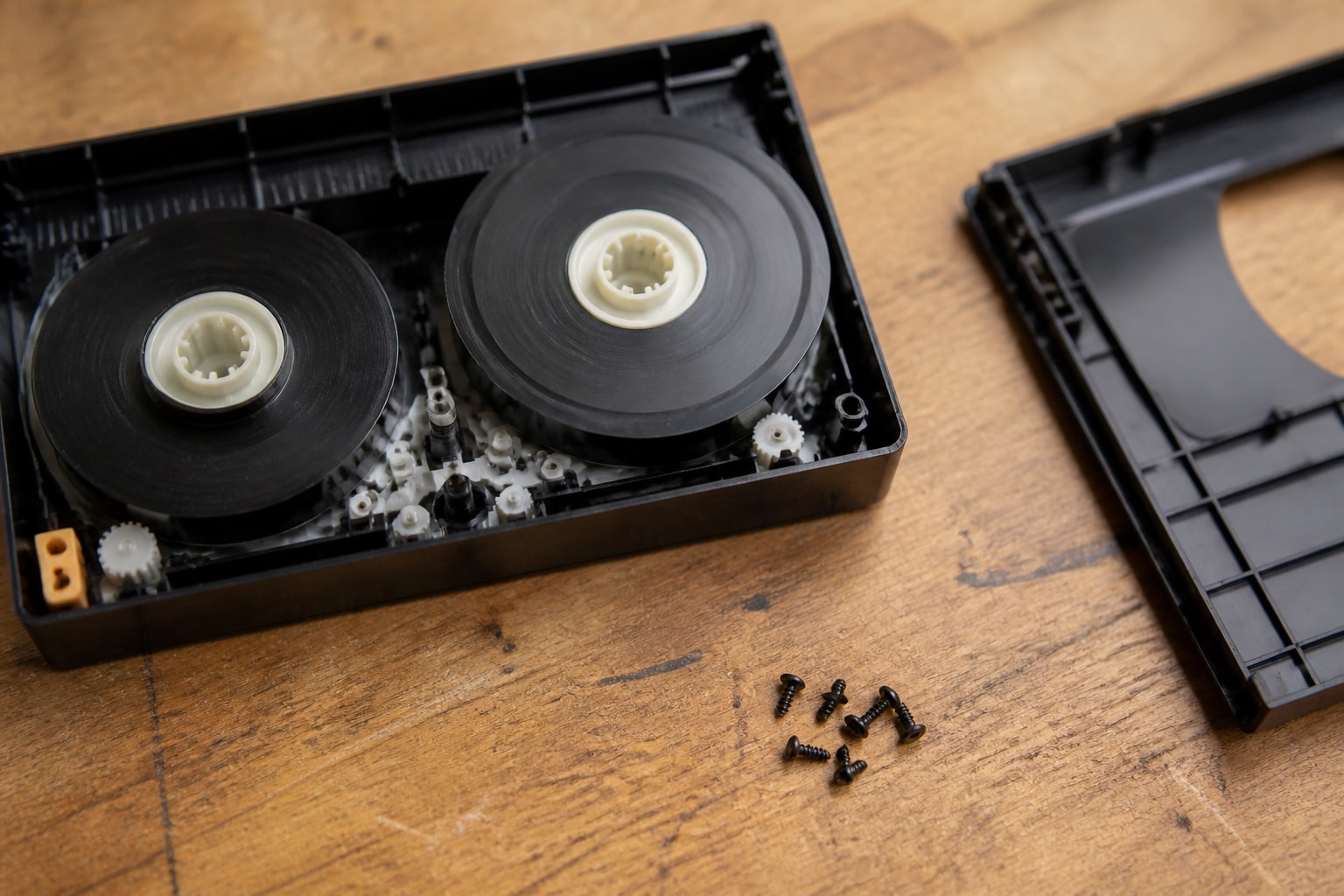
The fundamental components of any video tape recorder include the tape transport mechanism, video heads, servo control system, and electronics for recording and playback. The tape transport moves magnetic tape from the supply reel past the rotating head drum to the take-up reel at precisely controlled speeds. Professional machines incorporate sophisticated tension control, capstan drive systems, and reel motors that maintain consistent tape motion regardless of reel size or ambient conditions.
Recording Formats and Standards
Professional video tape recorder formats evolved rapidly from the 1970s through the 2000s, each generation offering improved resolution, color reproduction, or operational features. Broadcast facilities standardized around formats like Betacam SP, while industrial users adopted S-VHS and Hi8. The SMPTE organization developed technical standards defining track layout, recording parameters, and time code implementation for professional formats.
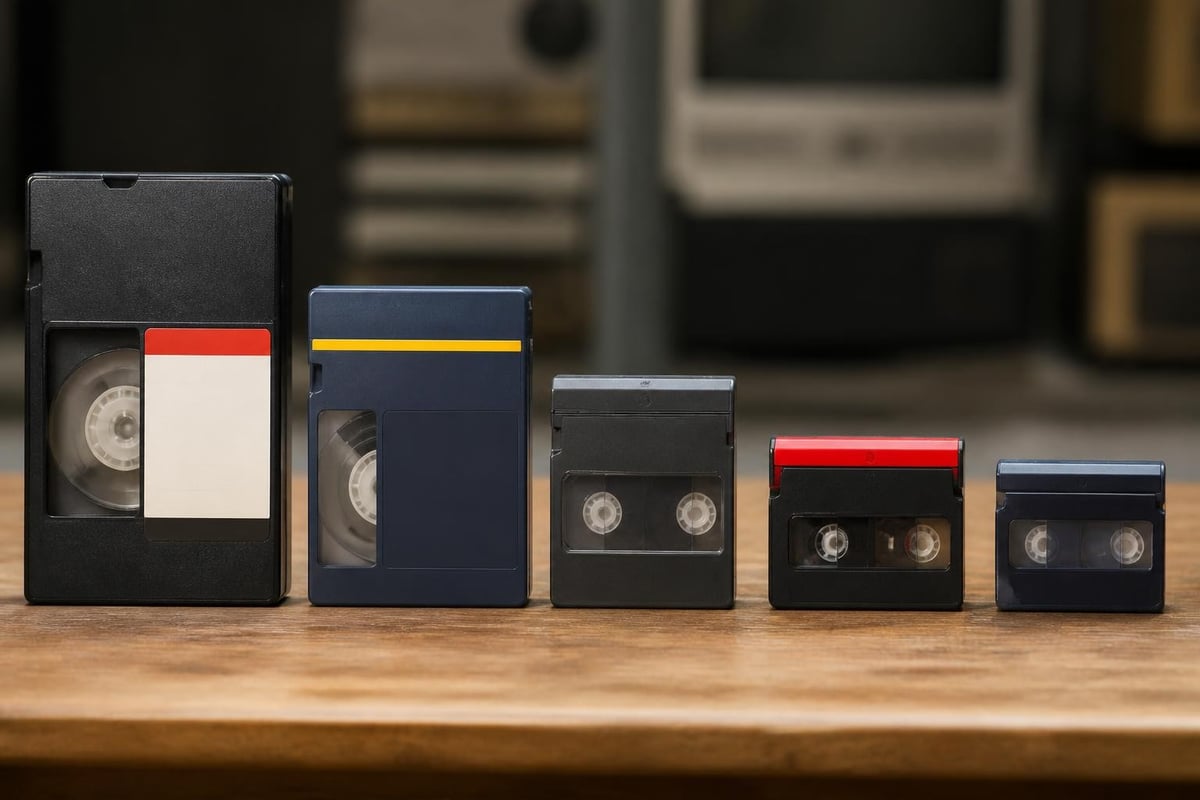
Consumer formats like VHS and Betamax followed different engineering compromises, prioritizing recording time and affordability over maximum quality. Digital formats including MiniDV, Digital8, and DVCAM represented the industry's final evolution before file-based recording replaced tape entirely. Each format requires specific playback equipment, making format identification crucial for successful digitization projects.
Professional Applications in Modern Digitization
Digitization shops face constant demand for professional video tape recorder equipment capable of playing legacy formats. Museums, television archives, corporate libraries, and private collectors need reliable machines to transfer decades of content before magnetic tape deteriorates beyond recovery. The British Film Institute documents extensive videotape collections requiring specialized playback equipment and technical expertise.
Service providers offering tape transfer services maintain fleets of working video tape recorders across multiple formats. A typical digitization facility might stock machines for VHS, S-VHS, Betamax, MiniDV, Digital8, Hi8, and various professional formats. Equipment reliability directly impacts project timelines and profitability, making regular maintenance and access to repair services essential operational requirements.
Equipment Selection Criteria
Choosing the right video tape recorder for professional digitization work requires evaluating several technical and practical factors:
- Format compatibility including sub-formats and regional variations
- Output connectivity offering composite, S-Video, component, and SDI options
- Time code capabilities for professional workflow integration
- Mechanical condition affecting tape handling and long-term reliability
- Parts availability determining repair feasibility and ongoing support
Professional decks like the Sony GV-D200 and JVC SR-VS30U offer superior build quality, adjustable tracking, and multiple output options compared to consumer models. These machines were engineered for continuous operation in broadcast environments, featuring robust transports and easily serviceable components. Professional video tape recorder specifications detail the capabilities required for demanding digitization workflows.
Maintenance and Repair Considerations
Video tape recorders require regular maintenance to ensure consistent performance and prevent tape damage during playback. Professional technicians recommend cleaning video heads after every 20-30 hours of operation, inspecting rubber components quarterly, and performing complete mechanical alignments annually. Preventive maintenance reduces unexpected failures and extends equipment lifespan significantly.
| Maintenance Task | Frequency | Impact on Performance |
|---|---|---|
| Head cleaning | Every 20-30 hours | Prevents dropouts and tracking errors |
| Tape path cleaning | Weekly with regular use | Ensures smooth tape transport |
| Pinch roller inspection | Monthly | Prevents speed variations |
| Mechanical alignment | Annually | Maintains optimal playback quality |
| Capacitor replacement | Every 10-15 years | Prevents power supply failures |
Common failures in aging video tape recorders include worn belts, dried lubricants, failing capacitors, and corroded circuit board connections. Many consumer-grade machines used surface-mount components that challenge even experienced repair technicians. Professional decks typically feature modular construction and through-hole components that simplify diagnosis and repair.
Sourcing Repair Services
Finding qualified video tape recorder repair technicians has become increasingly difficult as the industry has contracted. Specialized repair shops possess the test equipment, service manuals, and component inventory necessary to restore non-functioning machines. IEEE's technical archives on video recording provide engineering references helpful for understanding complex repair procedures.
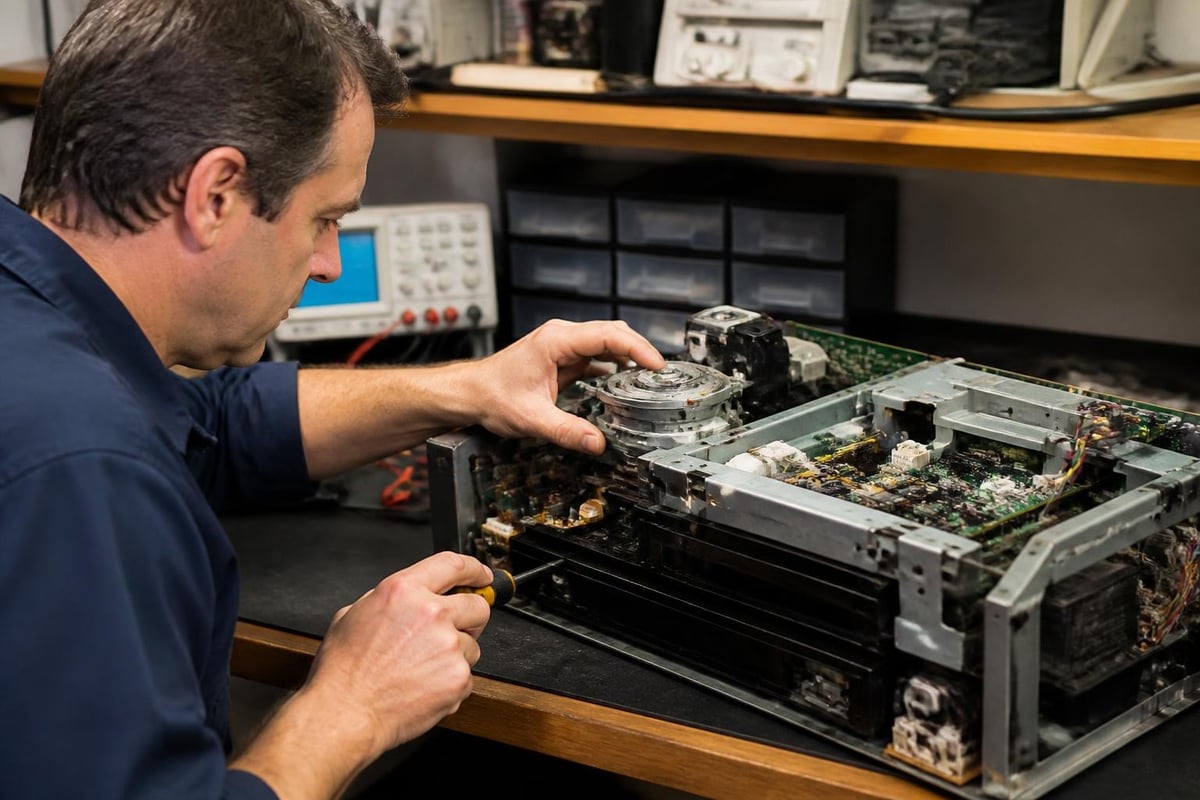
Professional repair services typically charge diagnostic fees to evaluate equipment condition and provide repair estimates. Costs vary widely based on format, problem severity, and parts availability. Some facilities find that establishing maintenance contracts with specialized providers reduces overall downtime and ensures priority service when problems arise.
Format-Specific Operational Challenges
Each video tape recorder format presents unique operational considerations affecting digitization workflow. Understanding these format-specific issues helps operators avoid tape damage and achieve optimal transfer quality. The Preservation Self-Assessment Program provides detailed guidance on handling and playing various videotape formats safely.
MiniDV and Digital8
MiniDV decks require particular attention to tape path cleanliness due to the format's narrow track pitch. Even minor contamination causes dropouts in digital recordings. Digital8 machines play Video8 and Hi8 tapes, but compatibility varies by model and tape condition. Operators should verify playback capability before accepting transfer projects involving older analog 8mm formats.
The digital nature of MiniDV recordings means signal degradation appears as complete frame dropouts rather than gradual quality loss. Clean equipment, proper tape handling, and immediate re-capture of any dropped frames ensure complete transfers. Professional MiniDV deck rental options provide access to well-maintained machines without capital investment.
S-VHS and Hi8
S-VHS represents the highest-quality analog consumer format, offering resolution approaching broadcast standards. However, S-VHS playback requires decks with S-VHS circuitry; standard VHS machines cannot reproduce the format's enhanced detail. Digitization facilities must maintain both VHS and S-VHS capable machines to handle all client materials.
Hi8 improved upon Video8 with higher luminance bandwidth and better color reproduction. Tapes recorded in Hi8 mode require Hi8-compatible players for optimal quality, though most machines play standard Video8 recordings. Tape deterioration remains more problematic in 8mm formats compared to VHS due to thinner tape formulations and smaller cassette size.
Rental Solutions for Professional Users
Many digitization businesses operate on project-based schedules with varying equipment needs throughout the year. Purchasing complete format coverage requires substantial capital investment in machines that may sit idle between projects. Rental services starting at $99 per month provide flexible access to professional-grade video tape recorders without the burden of ownership.
Rental arrangements work particularly well for:
- Seasonal digitization projects requiring temporary capacity expansion
- One-time transfers of unusual formats not regularly encountered
- Testing format compatibility before purchasing equipment
- Backup machines during repair periods maintaining production schedules
- Short-term needs while evaluating long-term equipment strategies
Professional rental providers maintain equipment to rigorous standards, perform regular cleaning and alignment, and replace machines showing performance degradation. This ensures clients receive reliable equipment capable of producing quality transfers without the technical expertise required for in-house maintenance.
Preservation and Archival Standards
Cultural institutions and archives follow established best practices when digitizing videotape collections. The Library of Congress preservation resources outline recommended approaches for creating preservation-quality digital files from analog and digital tape sources. These standards emphasize capturing original signal characteristics without enhancement or noise reduction during initial transfer.
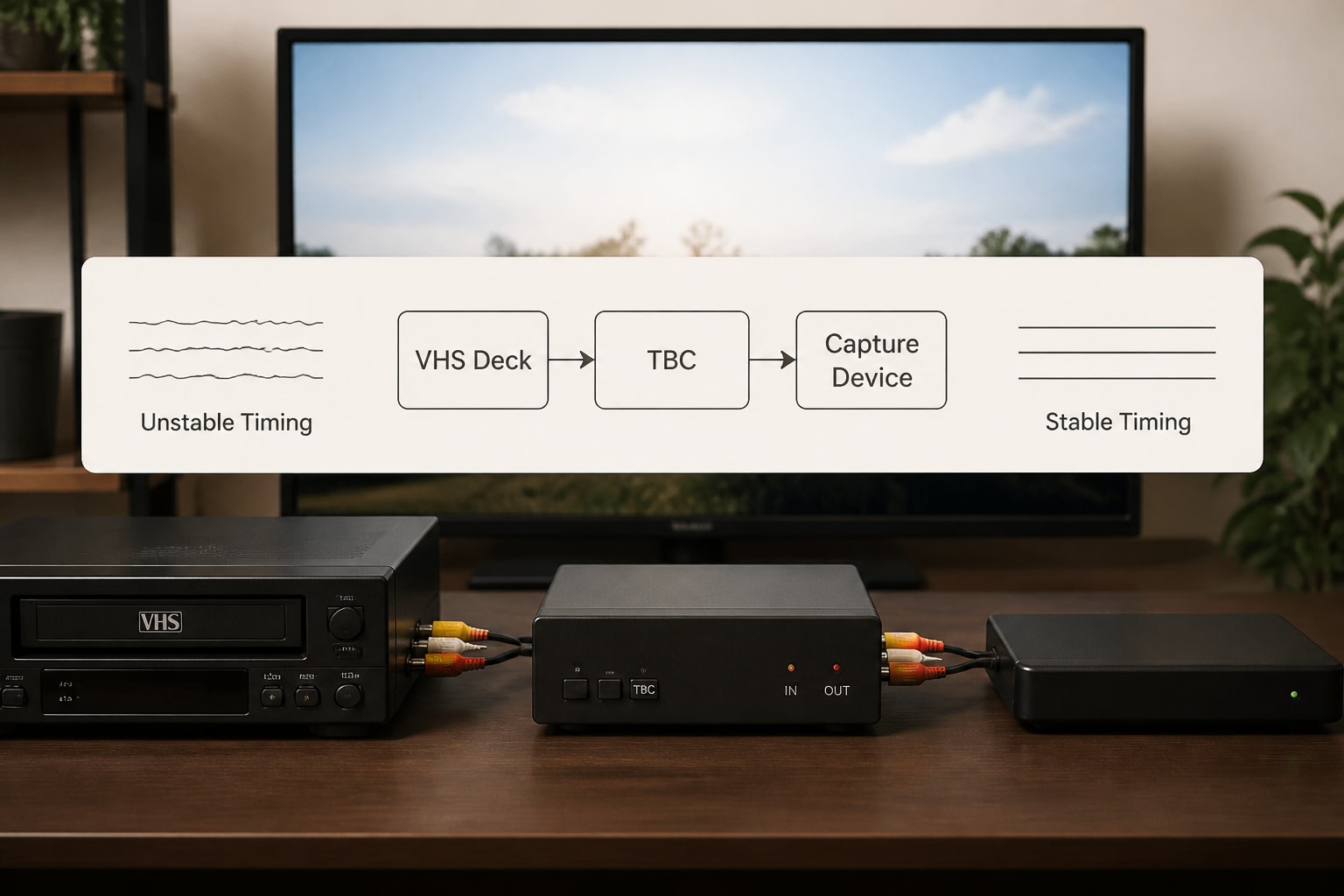
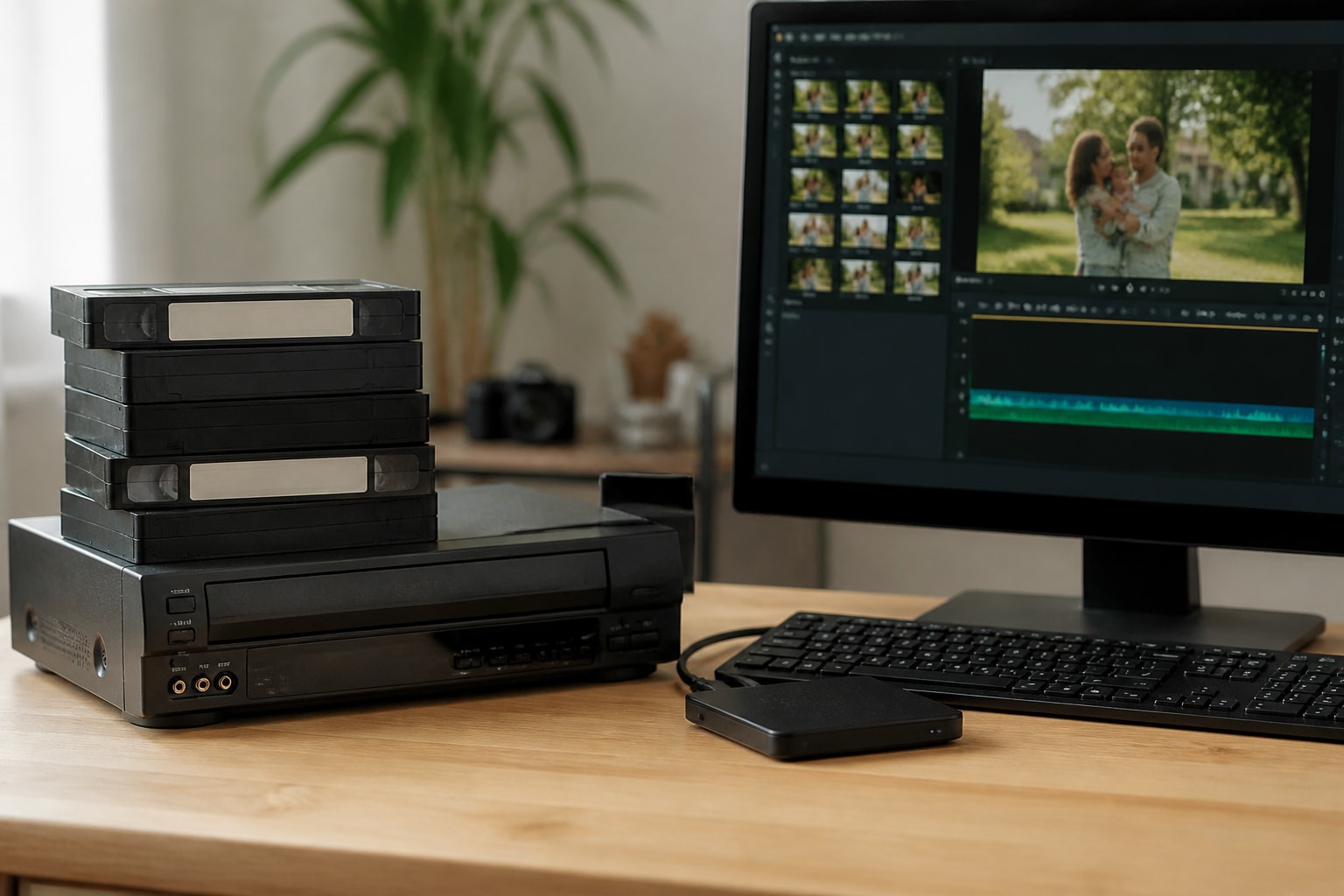
Professional digitization workflows typically create both preservation master files and access copies. Preservation masters retain maximum quality in uncompressed or lightly compressed formats, while access copies use efficient compression for web delivery or patron use. Proper video tape recorder setup ensures accurate signal capture without introducing artifacts or quality loss during the transfer process.
Quality Control Procedures
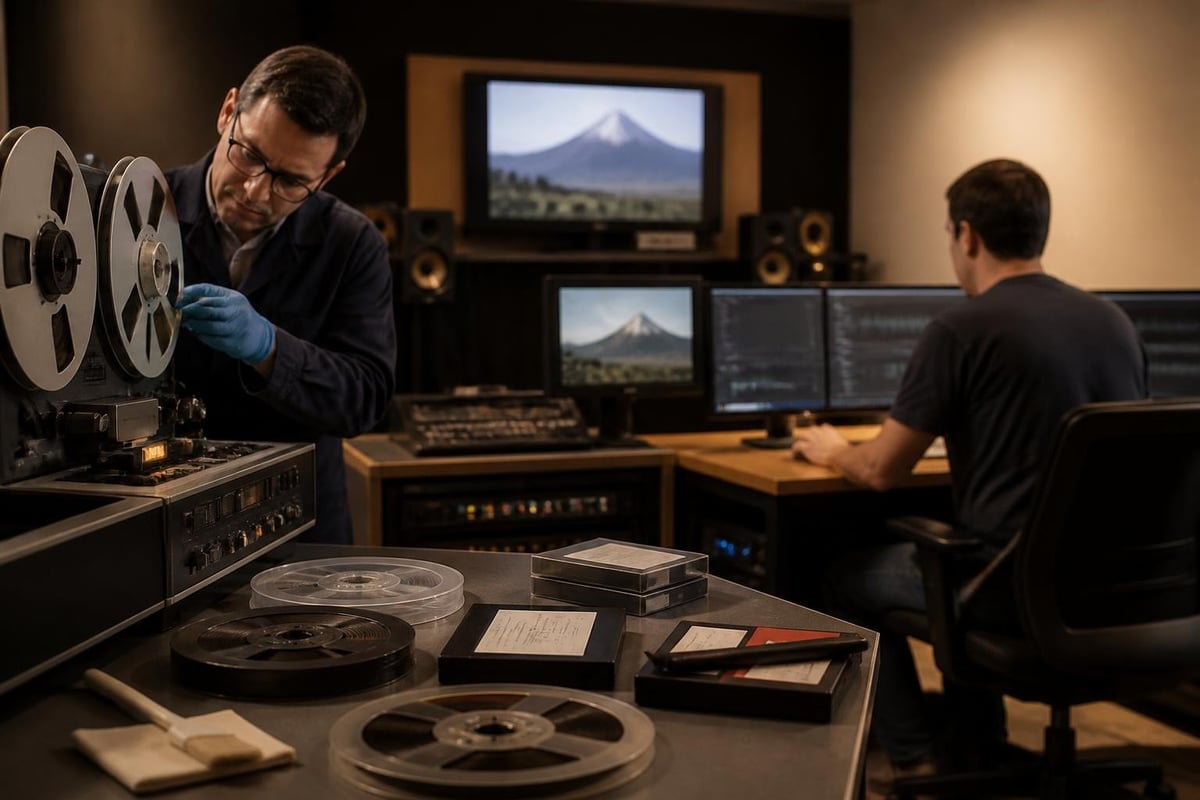
Establishing quality control checkpoints throughout the digitization process identifies problems before completing entire batches. Operators should visually inspect tapes before playback, noting physical damage or mold growth. During transfer, monitoring both the source video tape recorder output and captured digital signal catches tracking errors, dropout, or equipment malfunctions immediately.
Post-capture review should verify complete file transfer, confirm audio/video synchronization, and check for any digital artifacts introduced during encoding. The National Archives provides guidance on quality assurance procedures appropriate for various collection types and institutional requirements. Documentation of playback equipment, settings, and any issues encountered creates essential technical metadata for archival records.
Economic Considerations for Digitization Businesses
Operating a professional digitization service requires balancing equipment investment, maintenance costs, and competitive pricing. Video tape recorder acquisition represents only part of the total infrastructure needed, including computers, capture interfaces, storage systems, and facility space. Understanding the complete cost structure helps businesses develop sustainable pricing models.
| Cost Category | Initial Investment | Annual Operating Cost |
|---|---|---|
| VTR Equipment (5 formats) | $8,000 - $25,000 | $1,200 - $3,000 (maintenance) |
| Capture Hardware | $2,000 - $8,000 | $300 - $600 (upgrades) |
| Storage Infrastructure | $3,000 - $10,000 | $1,500 - $4,000 (expansion) |
| Facility & Utilities | Varies by location | $6,000 - $18,000 |
| Insurance & Licensing | $500 - $2,000 | $500 - $2,000 |
Rental models reduce upfront investment while providing access to professional equipment. A Betamax deck rental costs less than maintaining rarely-used equipment for occasional projects. Businesses can redirect capital toward marketing, storage expansion, or other infrastructure improvements generating better returns.
Technical Resources and Industry Knowledge
Staying current with video tape recorder technology requires accessing technical documentation, repair manuals, and industry forums. The AV Artifact Atlas provides comprehensive format identification resources helpful when encountering unfamiliar tape types. Service manuals offer detailed adjustment procedures, parts lists, and troubleshooting flowcharts essential for serious repair work.
Professional associations and preservation organizations publish research on optimal digitization practices, format obsolescence, and equipment longevity. Understanding tape binder degradation, sticky shed syndrome, and other deterioration mechanisms helps operators make informed decisions about playback attempts on damaged materials. Some tapes require specialized treatment before playback to avoid permanent damage or loss.
Training and Skill Development
Operating professional video tape recorders effectively requires understanding signal flow, tracking adjustment, and format-specific quirks. Newer technicians benefit from hands-on training with experienced operators who can demonstrate proper tape threading, head cleaning techniques, and troubleshooting approaches. Many complex adjustments require specialized test equipment including oscilloscopes, waveform monitors, and alignment tapes.
The retirement of experienced broadcast engineers has created knowledge gaps in video tape recorder operation and maintenance. Documentation and knowledge transfer become critical for preserving technical expertise. Some organizations videotape procedures and create detailed guides ensuring best practices survive personnel changes. Building internal expertise reduces dependence on external repair services while improving daily operational efficiency.
Future Outlook for Legacy Format Support
Demand for video tape recorder equipment will continue as long as significant tape collections remain undigitized. However, aging equipment, parts scarcity, and technician retirement create an increasingly challenging environment. Institutions with large collections face pressure to complete digitization projects before playback equipment becomes unavailable or prohibitively expensive to maintain.
The professional digitization industry adapts through equipment refurbishment programs, parts harvesting, and innovative repair techniques. Some specialists manufacture replacement components for high-failure parts using modern materials and manufacturing methods. These efforts extend equipment lifespan but cannot indefinitely postpone obsolescence. Strategic planning helps organizations prioritize collections and allocate resources effectively.
Professional video tape recorders remain indispensable tools for digitization facilities preserving our audiovisual heritage, despite the challenges of maintaining aging equipment in 2026. Whether you need occasional access to specialized formats or ongoing support for high-volume digitization work, VCR Supply provides professional videotape deck rentals starting at $99 per month and expert repair services with diagnostic fees beginning at $45. Our maintenance contracts help digitization shops minimize downtime and maintain consistent service quality for their clients.