Betamax Video Cassette Recorder: History & Modern Use
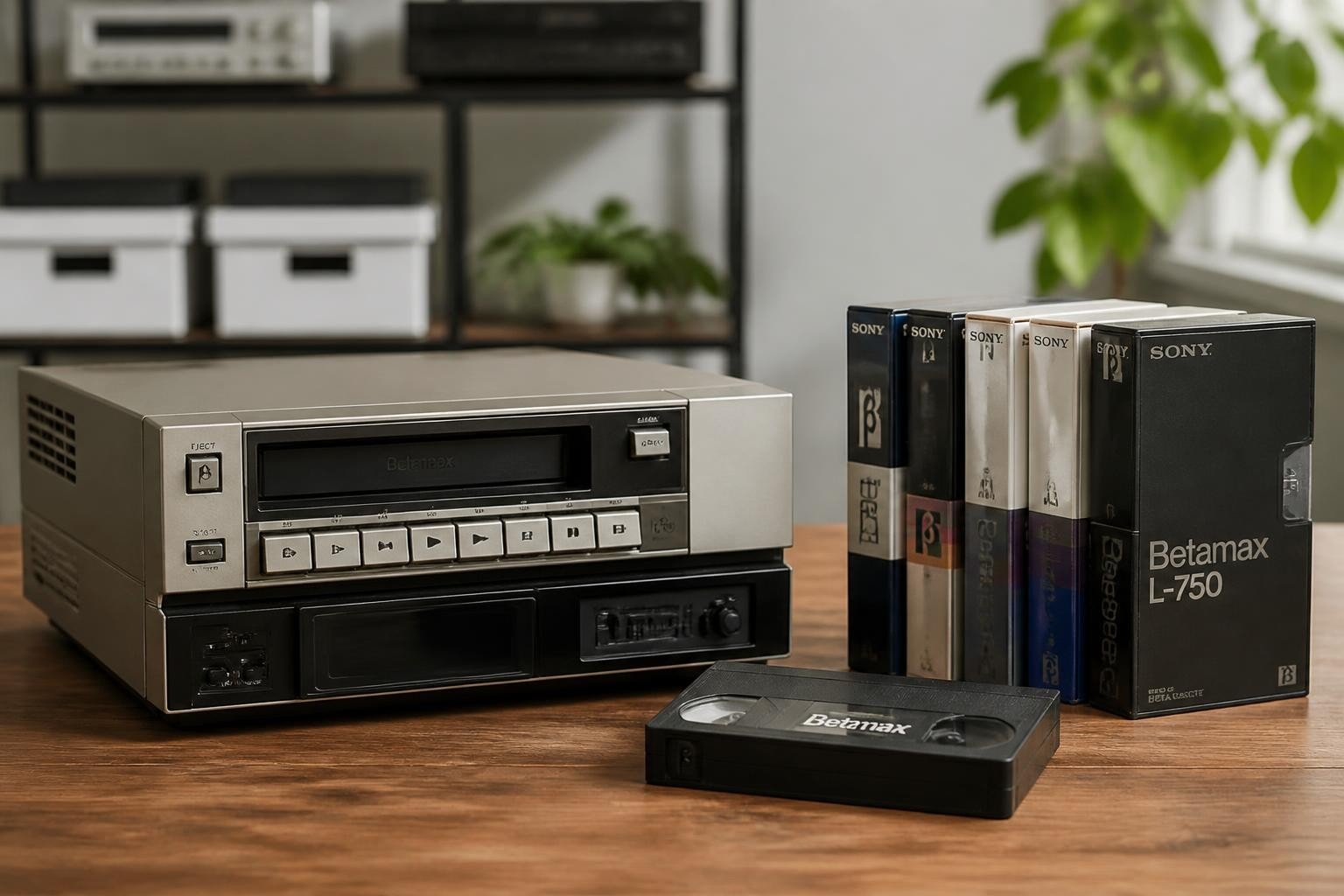
The betamax video cassette recorder represents one of the most consequential innovations in home entertainment history, despite losing the famous format war to VHS. Introduced by Sony in 1975, this groundbreaking technology brought video recording into living rooms worldwide and established engineering standards that influenced professional broadcast equipment for decades. Today, the betamax video cassette recorder remains critically important for preservation professionals, digitization shops, and archivists working to rescue content from aging magnetic tape. Understanding the technical capabilities, historical significance, and modern applications of these machines helps media professionals make informed decisions about equipment acquisition, maintenance, and content migration strategies.
The Technical Foundation of Betamax Recording
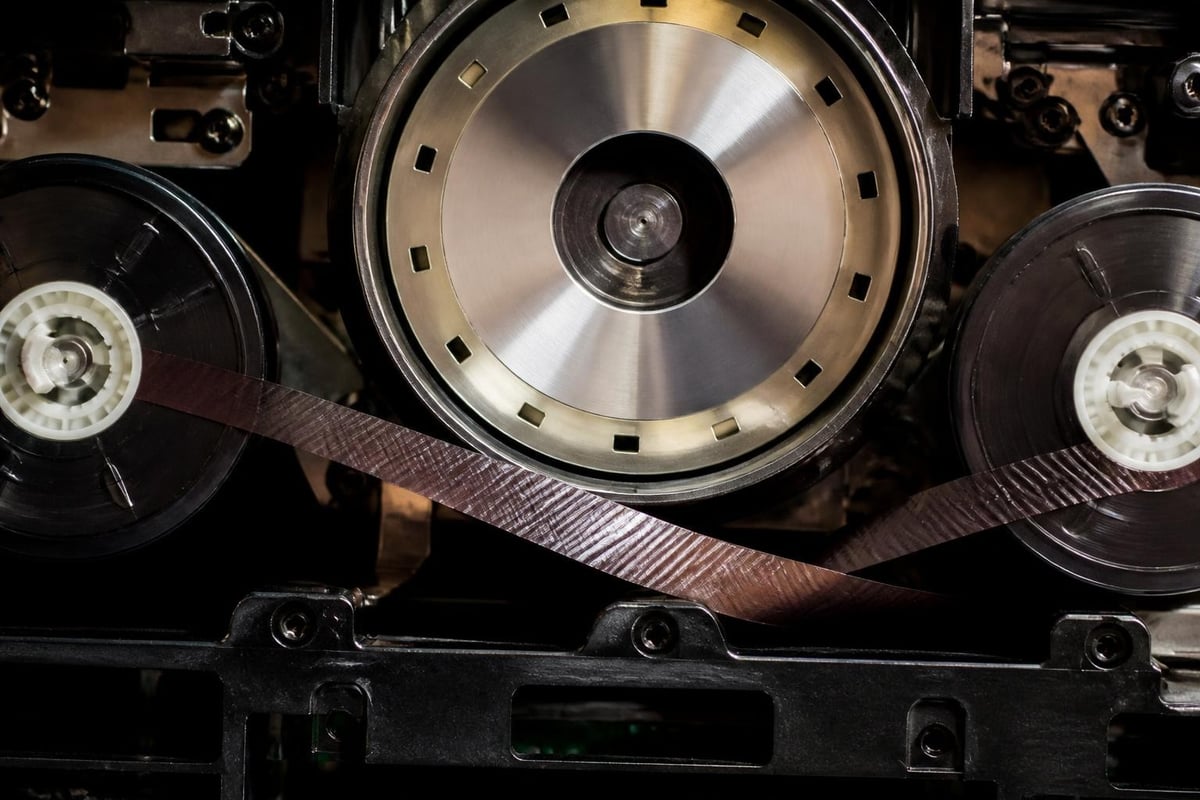
Sony's engineers designed the betamax video cassette recorder around a helical scan system that wrote diagonal tracks across half-inch magnetic tape. This approach delivered superior video resolution compared to early competitors, with Betamax achieving approximately 250 lines of horizontal resolution in its initial iteration.
The format used a Y-688 kHz luminance carrier and color-under recording at 688 kHz, creating a robust signal that aged better than many contemporary formats. Professional models extended these capabilities significantly, with later Betamax variations achieving broadcast-quality results. For comparison, our VHS Video Cassette Guide explains how that format's tapes and decks work.
Key Technical Specifications
| Specification | Consumer Betamax | Professional Betamax |
|---|---|---|
| Tape Width | 12.65 mm (0.5 inch) | 12.65 mm (0.5 inch) |
| Tape Speed | 1.87 cm/s | 2.03-10.15 cm/s |
| Video Bandwidth | ~3.0 MHz | 4.2-5.5 MHz |
| Audio Tracks | 1 longitudinal | 2-3 tracks (AFM optional) |
| Recording Time | 60-215 minutes | 30-90 minutes |
The mechanical precision required for reliable playback made the betamax video cassette recorder a masterpiece of 1970s engineering. Sony's cassette design incorporated automatic threading, protecting the tape from user handling damage and establishing expectations for convenience that influenced all subsequent videocassette formats.
The Format War and Market Evolution
The competition between Betamax and VHS became a defining business case study examining how superior technology doesn't always guarantee market success. While the betamax video cassette recorder offered better picture quality and more compact cassettes, VHS captured consumers with longer recording times and a broader licensing strategy.
Sony initially limited Betamax recording to one hour, emphasizing quality over duration. JVC's VHS format launched in 1976 with two-hour capability, matching the length of most theatrical films. This seemingly small difference proved decisive for consumer adoption.
Factors in Format Adoption
Technical advantages Betamax held:
- Superior video resolution and clarity
- More compact cassette design
- Better mechanical reliability in early models
- Higher-quality audio reproduction
Market advantages VHS secured:
- Longer recording times (2-6 hours)
- Broader licensing to multiple manufacturers
- Lower deck pricing through competition
- Greater video rental availability
Despite losing the consumer market by the mid-1980s, professional broadcasters continued specifying Betacam SP and other Sony professional formats based on Betamax's technical foundation. This split between consumer failure and professional success created an unusual legacy where the betamax video cassette recorder disappeared from homes while its descendants dominated television production.
The famous Sony Corp. of America v. Universal City Studios case established that home recording for time-shifting constituted fair use, legitimizing the entire VCR industry and ensuring both formats could flourish legally.
Preservation and Digitization Imperatives
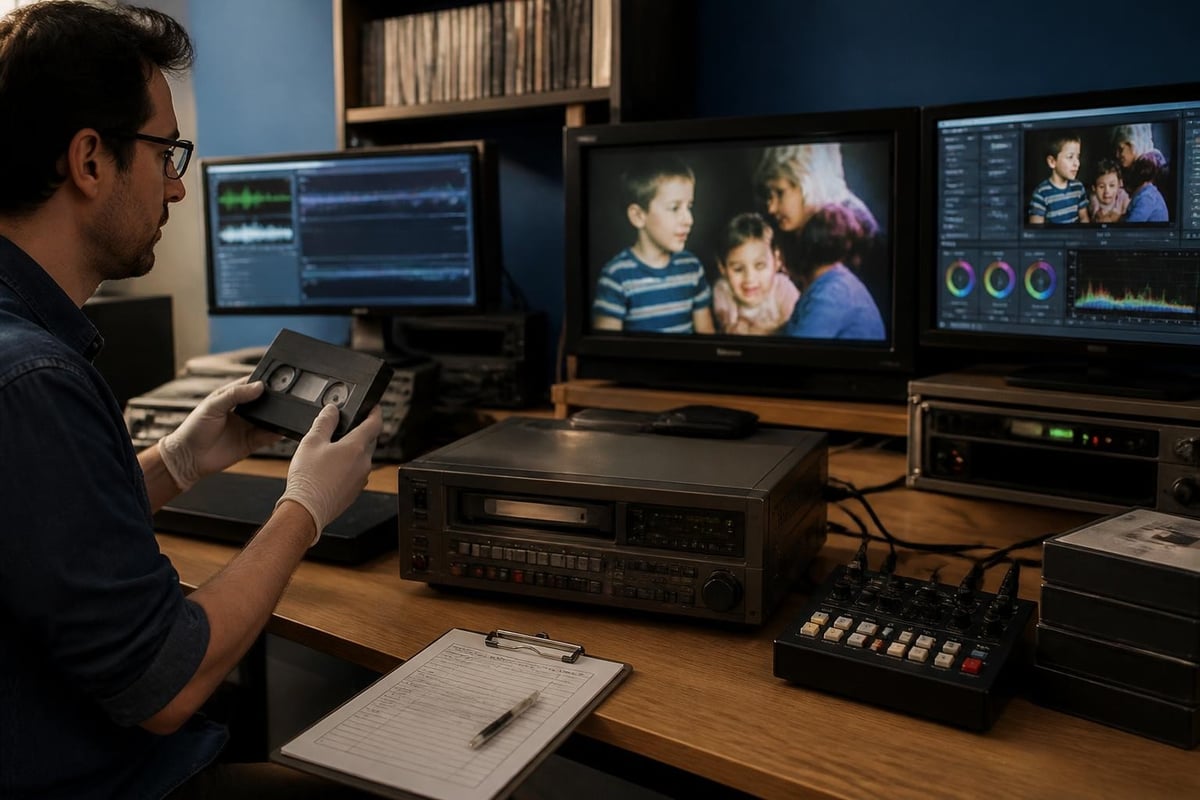
In 2026, millions of Betamax cassettes hold irreplaceable content ranging from family memories to historical broadcasts. The betamax video cassette recorder has become an essential preservation tool rather than a consumer product, with working decks commanding premium prices in the archival and digitization markets.
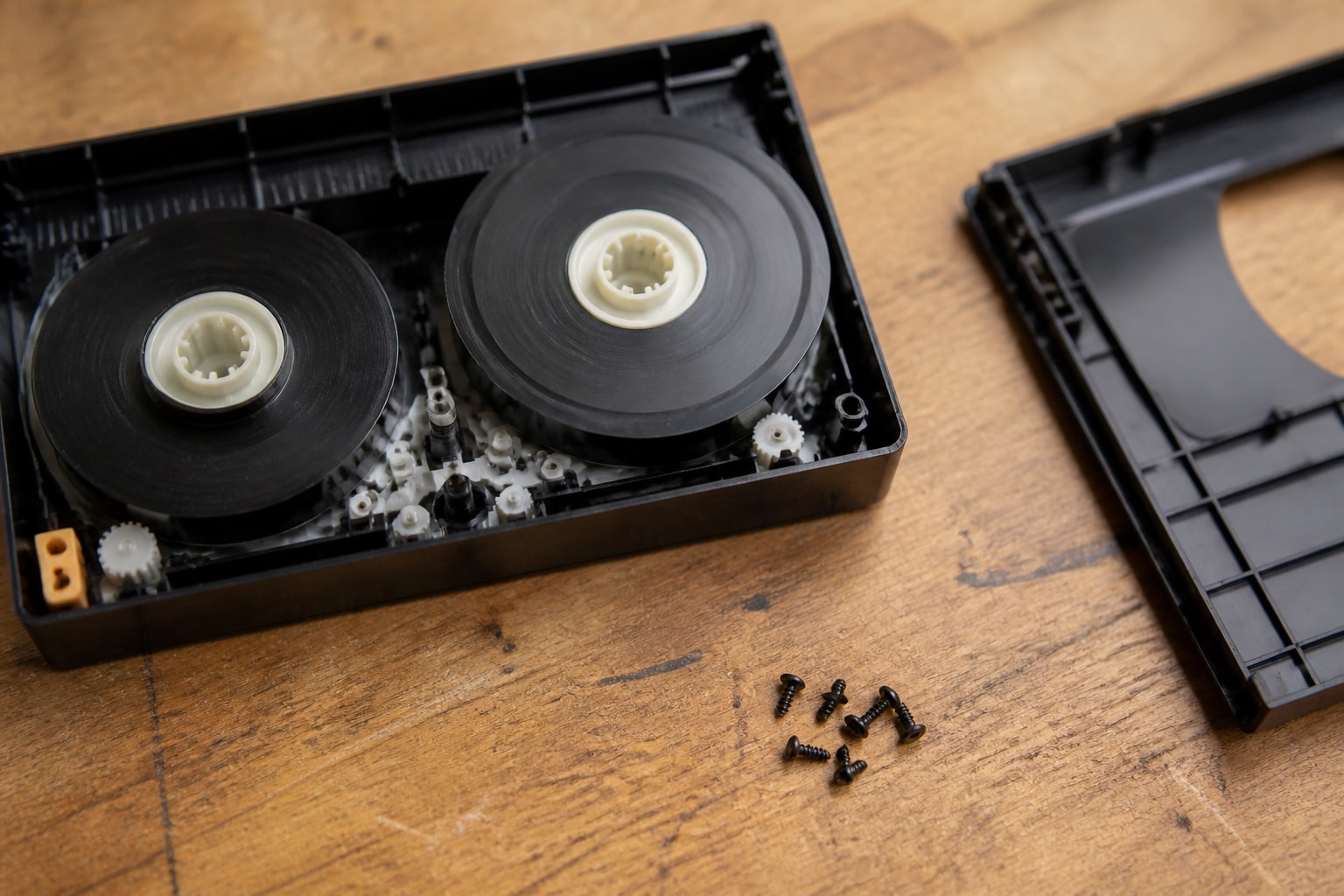
Magnetic tape deteriorates regardless of storage conditions. Binder hydrolysis, magnetic particle shedding, and physical tape stretching all accelerate after 30-40 years. Content recorded in the 1970s and 1980s now faces imminent loss if not digitized promptly.
Common Betamax Degradation Issues
- Sticky shed syndrome requiring tape baking before playback
- Edge damage from repeated cassette insertion
- Tracking errors from stretched or deformed tape
- Color signal loss from magnetic decay
- Audio dropouts from longitudinal track deterioration
Professional digitization operations require reliable playback equipment with precise tracking adjustment, color processing circuits, and output connectivity matching modern capture systems. The Sony SL-2700 and similar broadcast-grade machines offer capabilities consumer models lack, justifying their continued use in preservation workflows.
The Library of Congress Recommended Formats Statement acknowledges videotape formats including Betamax as important but at-risk media requiring urgent migration to digital preservation formats.
Equipment Acquisition and Maintenance Strategies
Finding functional betamax video cassette recorder equipment presents unique challenges in 2026. Original consumer production ended in 2002, and professional models ceased manufacturing years earlier. Every remaining deck represents finite, irreplaceable resources for content recovery.
Digitization businesses face three primary acquisition strategies:
Purchase vs. Rental Decision Matrix
| Factor | Purchase | Rental |
|---|---|---|
| Upfront Cost | $500-2,500+ per deck | $99-299 per month |
| Maintenance Responsibility | Full owner burden | Often included |
| Capacity Flexibility | Fixed | Scalable with demand |
| Capital Allocation | Significant | Minimal |
| Technical Support | Self-sourced | Provider-managed |
For shops handling periodic Betamax projects rather than continuous workflow, professional deck rental offers compelling economics. Starting at $99 monthly, rental arrangements eliminate maintenance uncertainty while providing access to multiple deck models for compatibility testing.
Critical maintenance requirements for the betamax video cassette recorder include:
- Head cleaning every 10-20 hours of playback operation
- Belt replacement every 1,000-2,000 hours or annually
- Capstan and pinch roller reconditioning when wow/flutter appears
- Lubrication of mechanical components per manufacturer specifications
- Capacitor replacement in power supply and servo circuits (aging electronics)
The National Archives guidance on machine-readable preservation emphasizes regular maintenance as essential for extending equipment operational life and ensuring reliable content recovery from degraded media.
Maintenance contracts from specialized providers reduce unexpected downtime. Professional VCR maintenance services typically cost less than emergency repairs and keep equipment calibrated for optimal playback quality.
Professional Applications in Modern Workflows
The betamax video cassette recorder serves specific professional niches in 2026, primarily concentrated in content digitization, media archaeology, and institutional archiving. Understanding these applications helps businesses evaluate whether acquiring Betamax playback capability makes strategic sense.
Primary Professional Use Cases
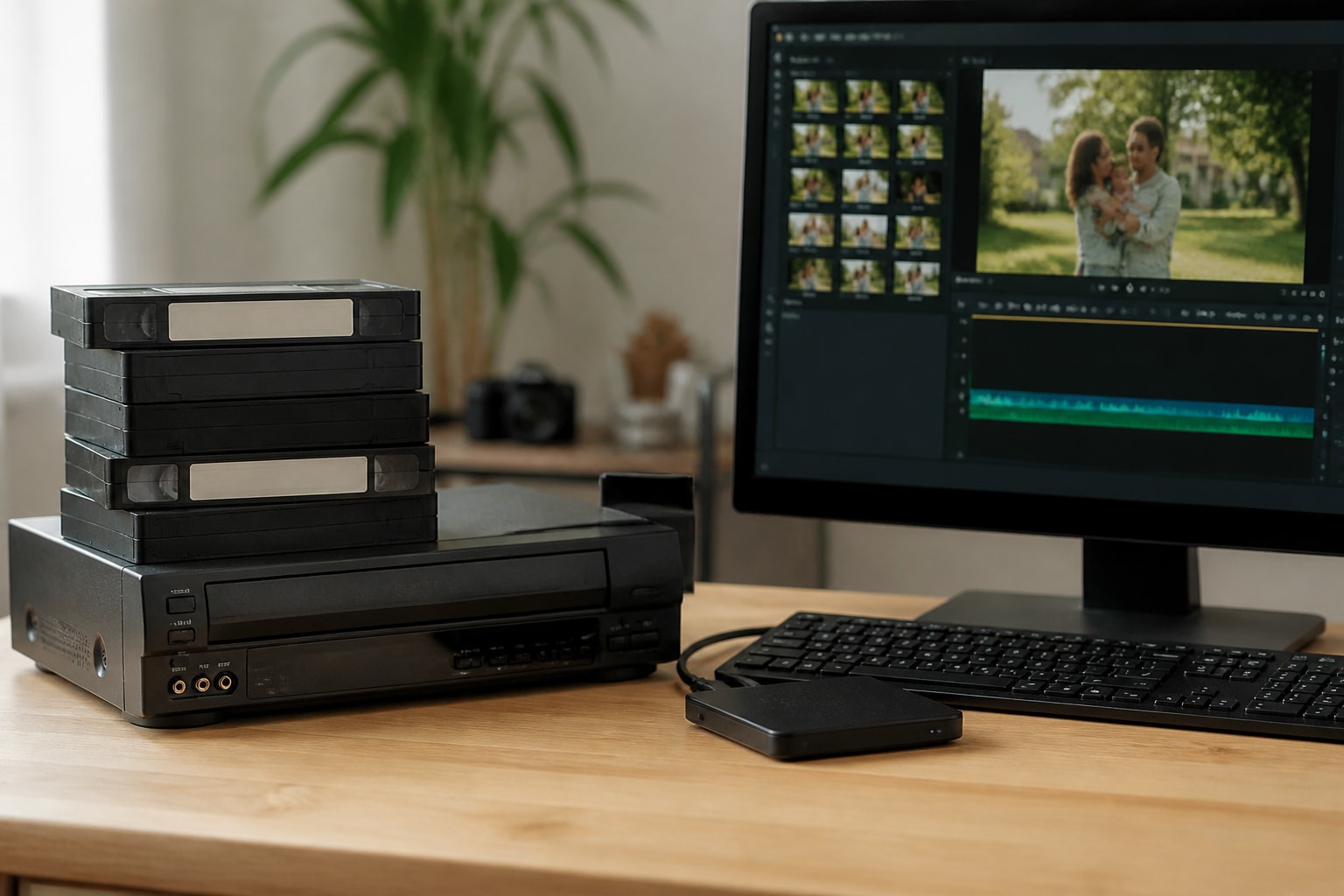
Media digitization services represent the largest market segment. Families and organizations seek to migrate irreplaceable Betamax recordings to digital formats before tape degradation makes recovery impossible. Shops equipped with professional Betamax equipment can charge premium rates reflecting the scarcity of working playback hardware.
Broadcast archives contain extensive Betamax holdings from the format's 1975-1990 commercial peak. Television stations, production companies, and news organizations recorded thousands of hours on Betamax before transitioning to professional formats. Recovering this content requires working decks and experienced technicians familiar with broadcast-grade machines.
Film and television restoration projects increasingly examine source materials across all available formats. When original film elements are lost or damaged, Betamax air-check recordings sometimes represent the only surviving copies of broadcasts, making the betamax video cassette recorder an essential restoration tool.
Academic and cultural institutions preserve oral histories, documentary footage, and cultural recordings captured during Betamax's commercial period. The British Film Institute's acquisition and preservation programs demonstrate institutional commitment to saving at-risk videotape content before playback equipment becomes completely unavailable.
Integration with Multi-Format Operations
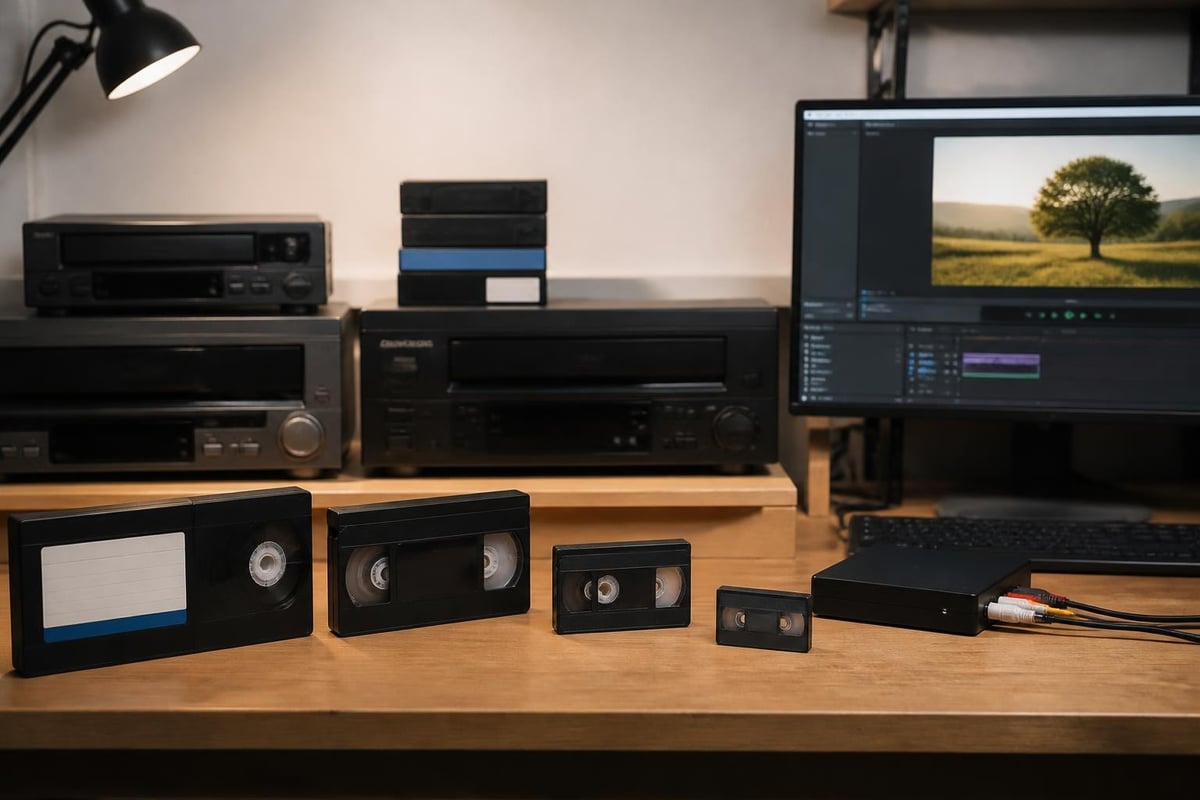
Few businesses can justify Betamax-only operations in 2026. Successful digitization shops integrate Betamax capability within broader multi-format offerings that include MiniDV, S-VHS, Digital8, and other legacy video formats.
This approach maximizes equipment utilization and spreads acquisition costs across larger revenue bases. A client requesting Digital8 tape transfer might also have Betamax cassettes, creating bundled service opportunities.
Technical Considerations for Commercial Digitization
Operating the betamax video cassette recorder professionally requires understanding both mechanical operation and signal processing. Consumer familiarity with home VCRs doesn't adequately prepare technicians for professional-grade Betamax equipment.
Tracking adjustment represents the most critical playback parameter. Betamax used automatic tracking on consumer models but required manual adjustment on professional decks. Degraded or non-standard recordings demand precise tracking control to minimize noise and maximize picture stability.
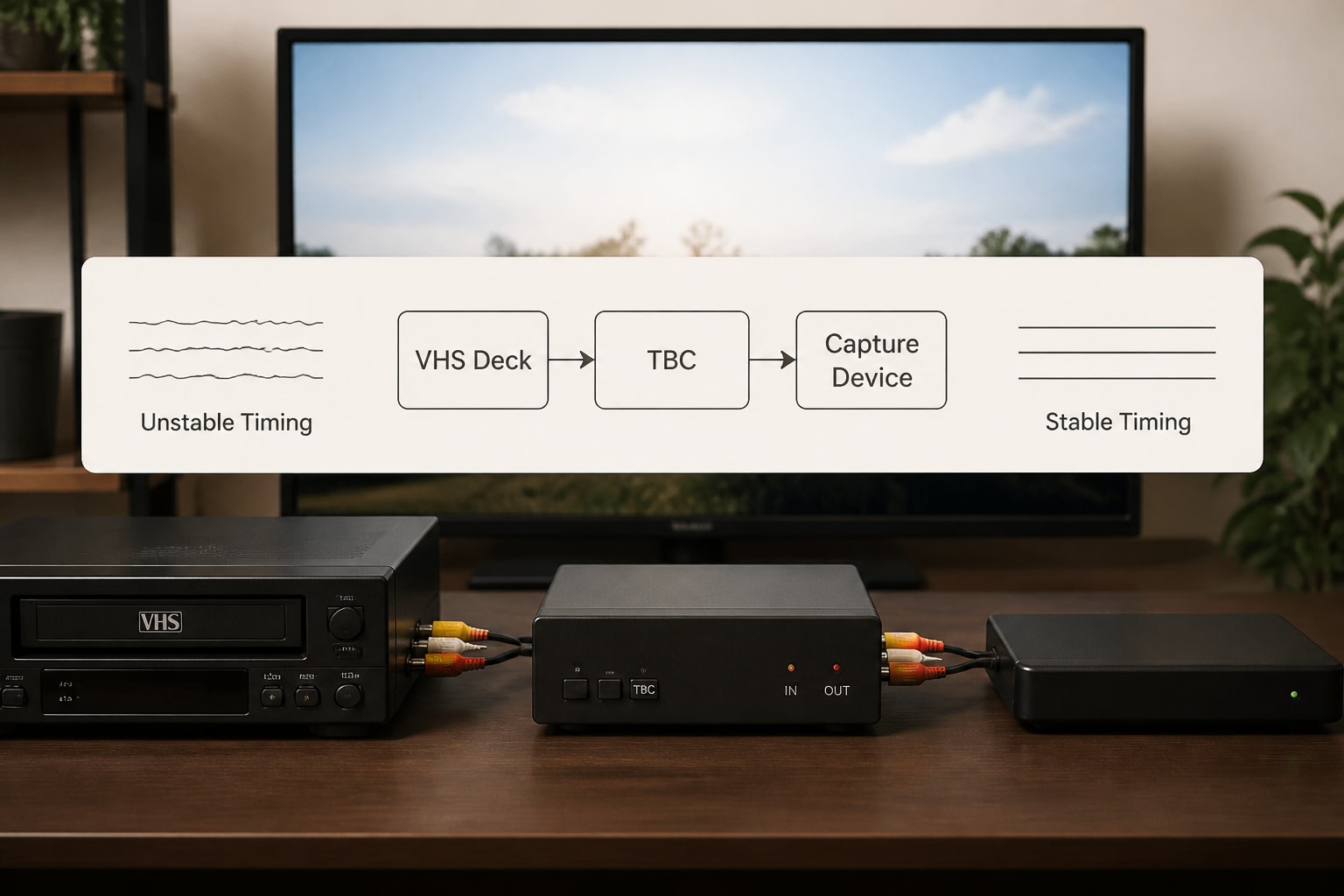
Time base correction addresses timing instabilities inherent in all videotape playback. Professional workflows incorporate external TBCs or use decks with built-in correction. Without proper TBC, digitized Betamax content exhibits horizontal tearing and color instability.
Audio considerations vary significantly across Betamax generations:
- Early models: Single monaural longitudinal track
- Mid-period: Stereo linear audio
- Late models: Hi-Fi AFM (audio frequency modulation)
Proper digitization requires matching playback equipment to the recording's audio format. A betamax video cassette recorder lacking Hi-Fi playback cannot properly recover AFM audio tracks, resulting in incomplete content migration.
Signal Chain Configuration
The optimal digitization signal path for Betamax content flows through these components:
- Playback deck with properly maintained heads and mechanics
- Time base corrector for timing stability
- Processing amplifier for signal optimization
- Analog-to-digital converter at appropriate bit depth and sampling rate
- Capture software recording to archival-quality codecs
Professional operations maintain multiple VCR repair relationships or in-house technical capability to address deck failures mid-project. The $45 diagnostic fee typical of professional repair services represents minimal cost insurance against project delays.
The Engineering Legacy of Betamax Technology
Sony's innovation with the betamax video cassette recorder influenced consumer electronics development far beyond the format itself. Key patents from the Betamax era established intellectual property frameworks that shaped subsequent video recording standards.
The format introduced several engineering concepts that became industry standard:
- Automatic cassette threading protecting tape from user damage
- Electronic timer programming enabling unattended recording
- Compact cassette design maximizing convenience
- Precision head alignment for reliable playback
- Servo-controlled tape transport ensuring stable playback speed
Professional broadcast Betacam formats extended these foundations with component video recording, superior signal-to-noise ratios, and robust metal tape formulations. The technical DNA of the consumer betamax video cassette recorder lived on in broadcast equipment used into the 2010s.
Technical retrospectives from respected publications examine how Betamax's engineering excellence created a "successful failure" where technical superiority couldn't overcome market timing and licensing disadvantages.
Equipment Sourcing and Reliability Assessment
Acquiring dependable betamax video cassette recorder equipment requires careful evaluation of mechanical condition, electronic functionality, and parts availability. Unlike MiniDV deck rental options where relatively recent equipment remains available, Betamax decks represent 20-50 year old technology requiring specialized assessment.
Pre-Acquisition Testing Protocol
Before committing to purchase or long-term rental of Betamax equipment, test these critical functions:
Mechanical operation
- Smooth cassette loading and ejection
- Proper tape threading without hesitation
- Quiet transport operation (excessive noise indicates wear)
- Accurate tape counter operation
Video performance
- Clean picture with minimal snow or interference
- Stable tracking across multiple test tapes
- Proper color reproduction and saturation
- Minimal head clog indicators
Audio functionality
- Clear sound without distortion or dropouts
- Proper channel separation on stereo models
- Hi-Fi playback on equipped models
Electronic controls
- Responsive transport controls (play, stop, FF, REW)
- Functional timer and programming features
- Working front panel displays and indicators
Professional equipment suppliers maintain inventory testing protocols ensuring rental units meet quality standards. This quality assurance justifies rental premiums while protecting digitization businesses from equipment-related project failures.
Future Outlook for Betamax Preservation
The betamax video cassette recorder faces an uncertain future as remaining equipment ages beyond repair capability and spare parts inventories dwindle. Preservation professionals working in 2026 confront a narrowing window for content recovery before playback technology becomes unavailable.
Equipment scarcity will accelerate through the next decade. Working decks require increasingly expensive maintenance as components fail and replacement parts disappear. Digitization operations must balance current project profitability against long-term equipment viability.
Content urgency grows as tapes age. Material recorded in the late 1970s now approaches 50 years old, with documented degradation accelerating in many storage environments. Organizations holding Betamax archives face immediate digitization imperatives.
Technical expertise represents another diminishing resource. Engineers and technicians with hands-on Betamax repair experience retire without replacement. Knowledge transfer to younger preservation professionals becomes critical for maintaining operational capability.
Institutions and businesses serious about Betamax preservation should act decisively in 2026. Waiting another five years risks losing both playback equipment and the content it can recover.
The betamax video cassette recorder evolved from revolutionary consumer technology into an essential preservation tool, serving digitization professionals working to rescue irreplaceable content from aging magnetic tape. Understanding Betamax's technical capabilities, maintenance requirements, and professional applications helps media businesses make informed equipment decisions. Whether your shop handles periodic Betamax projects or manages large-scale archive migrations, VCR Supply provides professional-grade deck rentals starting at $99 monthly, expert repair services with $45 diagnostics, and maintenance contracts designed to minimize equipment downtime for digitization operations.