VCR Rental: Complete Guide for Digitization Professionals
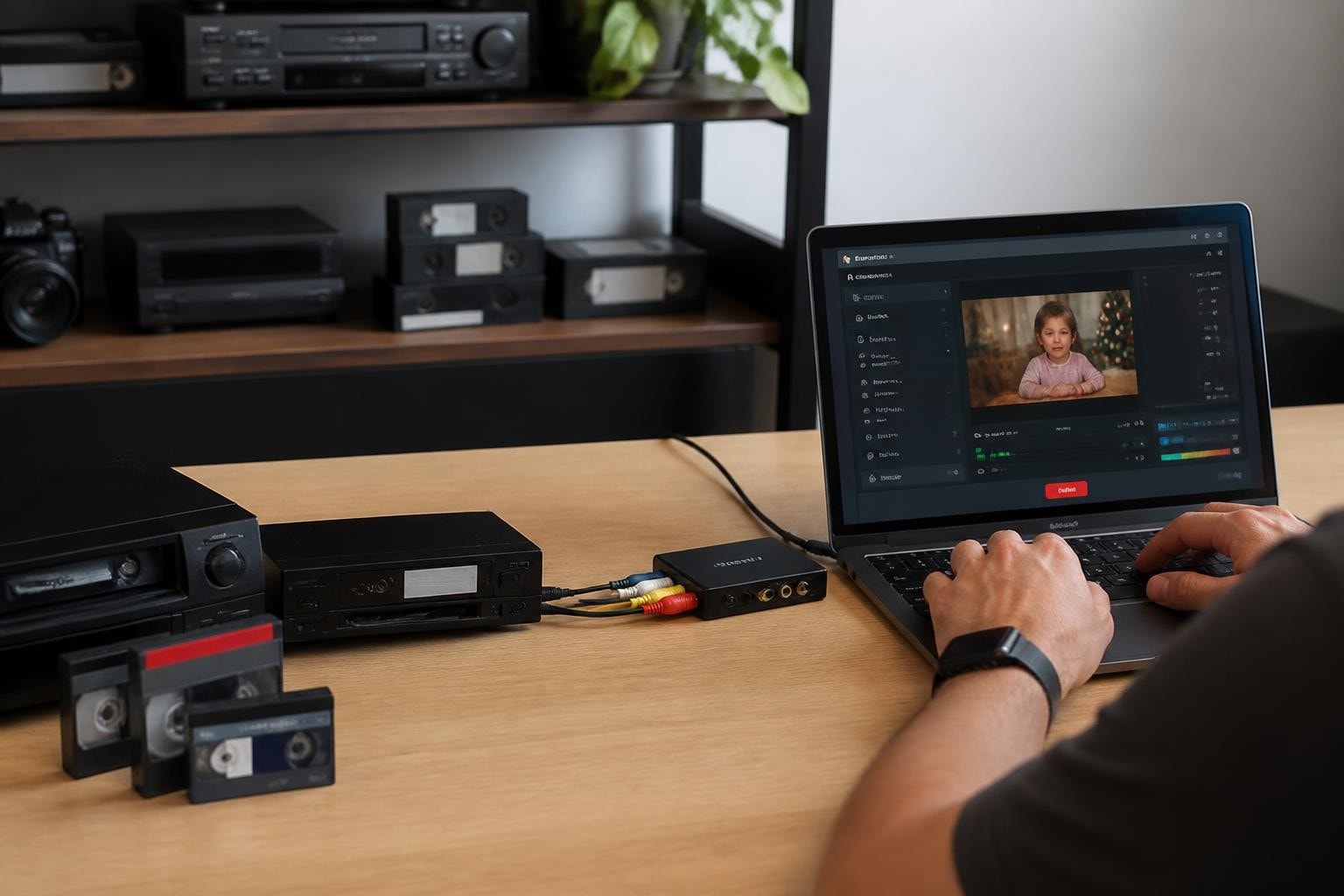
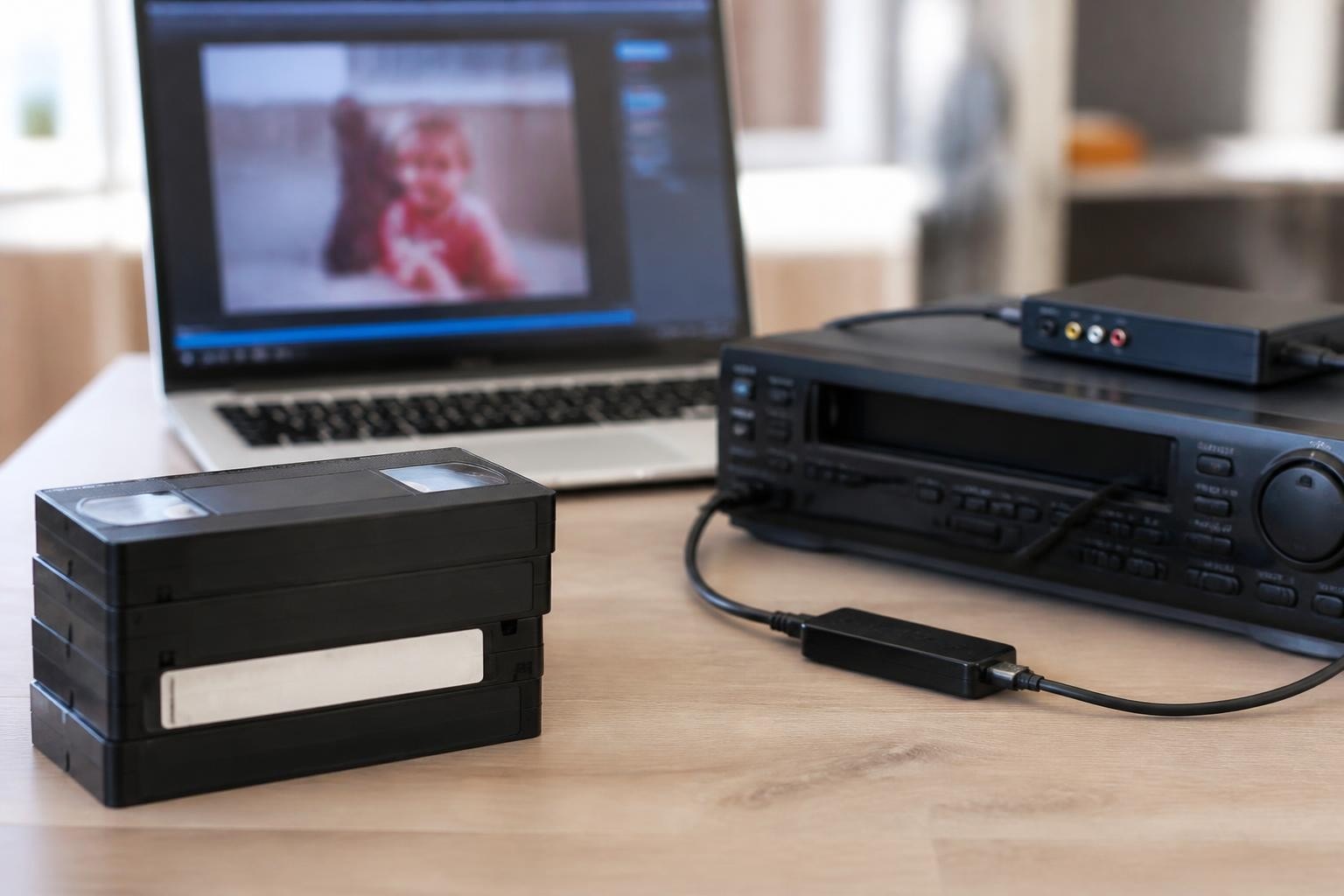
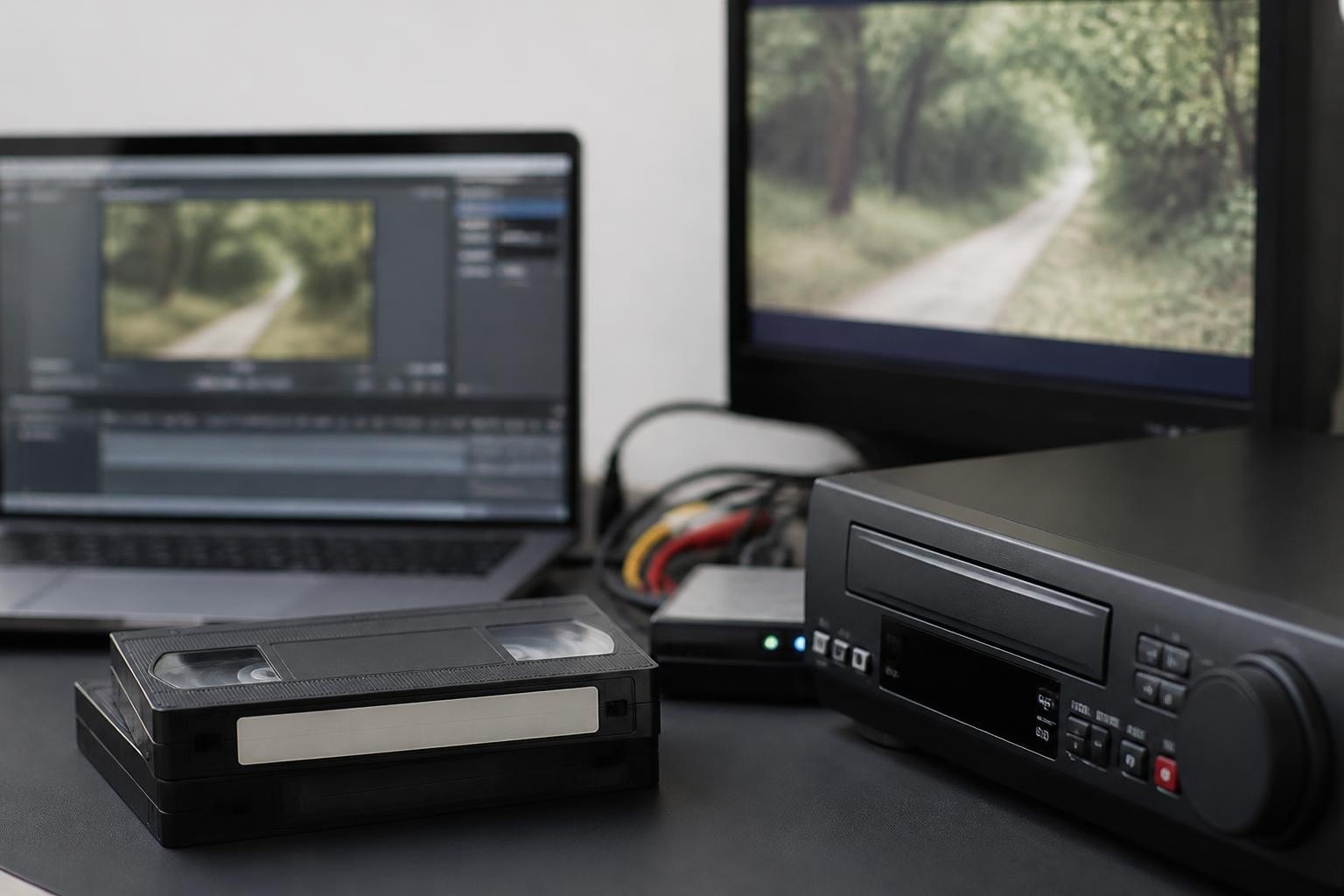
The resurgence of analog media preservation has created unexpected demand for professional videotape equipment. Digitization shops, archivists, and media production companies increasingly face clients with boxes of old tapes in formats ranging from VHS to Betamax, yet purchasing equipment for every format proves financially impractical. VCR rental has emerged as the practical solution, allowing businesses to access professional-grade decks on demand without the capital expense of building a comprehensive equipment library. This approach enables digitization professionals to serve clients efficiently while maintaining lean operations and managing cash flow effectively.
Understanding the VCR Rental Market in 2026
The market for vcr rental has evolved significantly from consumer-focused video stores to specialized professional services. Today's rental landscape serves digitization businesses, film restoration studios, archival institutions, and media production companies requiring access to obsolete playback equipment. According to research on contemporary VHS cultures, the cultural revival of analog formats has sustained commercial demand for working VCRs even as consumer electronics manufacturers ceased production years ago.
Professional vcr rental differs fundamentally from consumer-grade services. These operations maintain calibrated, serviced equipment capable of handling valuable or deteriorating tapes safely. Rental providers stock broadcast-quality decks with features like time-base correction, manual tracking control, and multiple format compatibility-specifications essential for professional digitization work but absent from consumer models.
Why Businesses Choose Rental Over Purchase
Financial considerations drive most rental decisions:
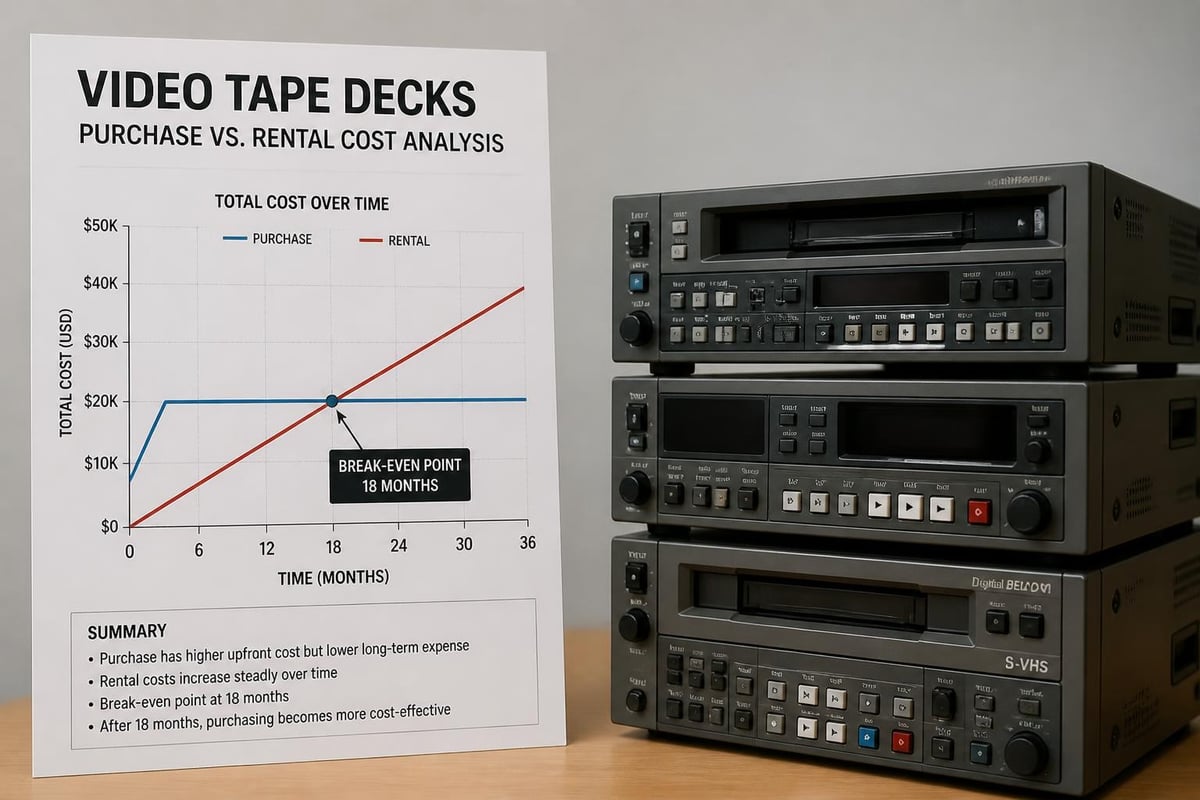
- Lower upfront costs: Professional videotape decks cost between $800 and $3,000 on the secondary market, with rare formats commanding premium prices
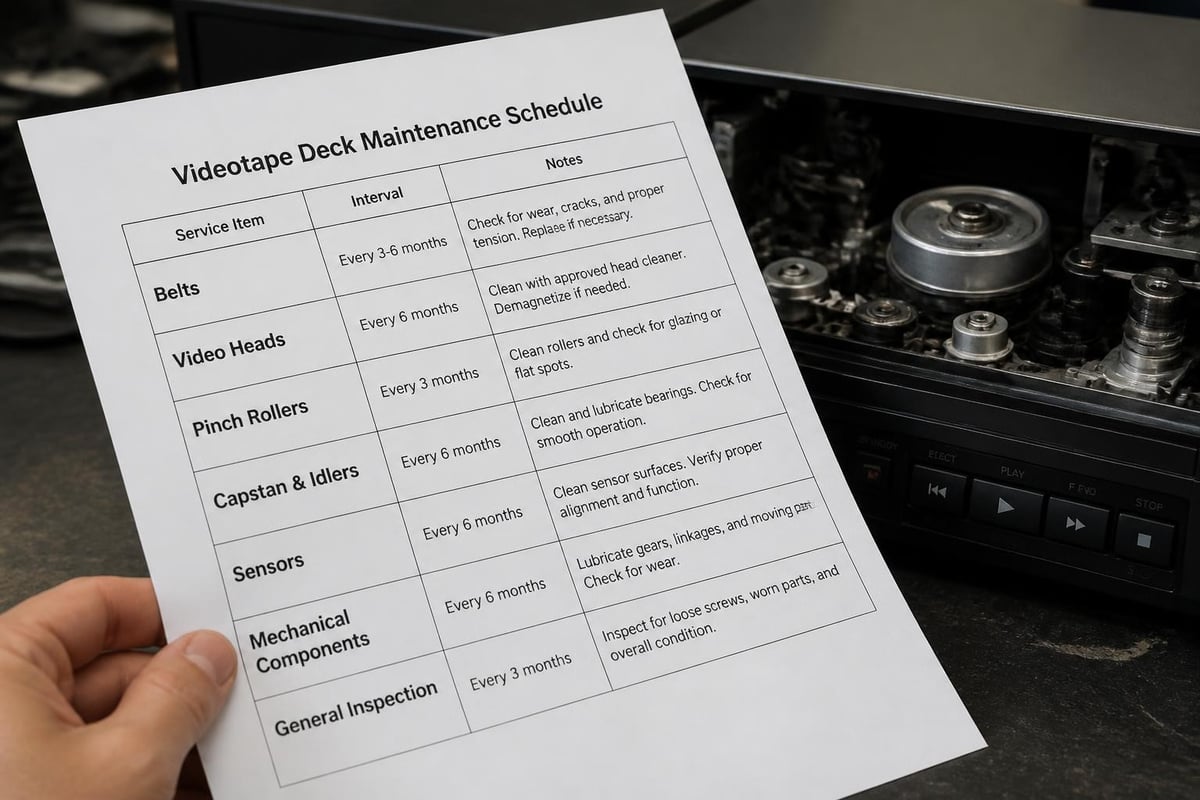
- Avoided maintenance expenses: Aging equipment requires regular servicing, belt replacements, and cleaning
- No obsolescence risk: Equipment value depreciates as parts availability decreases
- Tax advantages: Rental payments typically qualify as operating expenses rather than capital expenditures
Beyond finances, vcr rental provides operational flexibility. Digitization shops experience fluctuating demand for specific formats-one month brings dozens of MiniDV tapes, the next requires Betamax capabilities. Renting equipment as needed prevents capital from sitting idle in specialized decks that generate revenue only sporadically.
Available Formats Through Professional Rental Services
Professional vcr rental services stock equipment covering the full spectrum of obsolete consumer and professional formats. Understanding format availability helps digitization businesses plan project timelines and client communications effectively.
| Format Category | Common Examples | Typical Applications | Rental Availability |
|---|---|---|---|
| Consumer VHS Family | VHS, S-VHS, VHS-C | Home videos, broadcast archives | High |
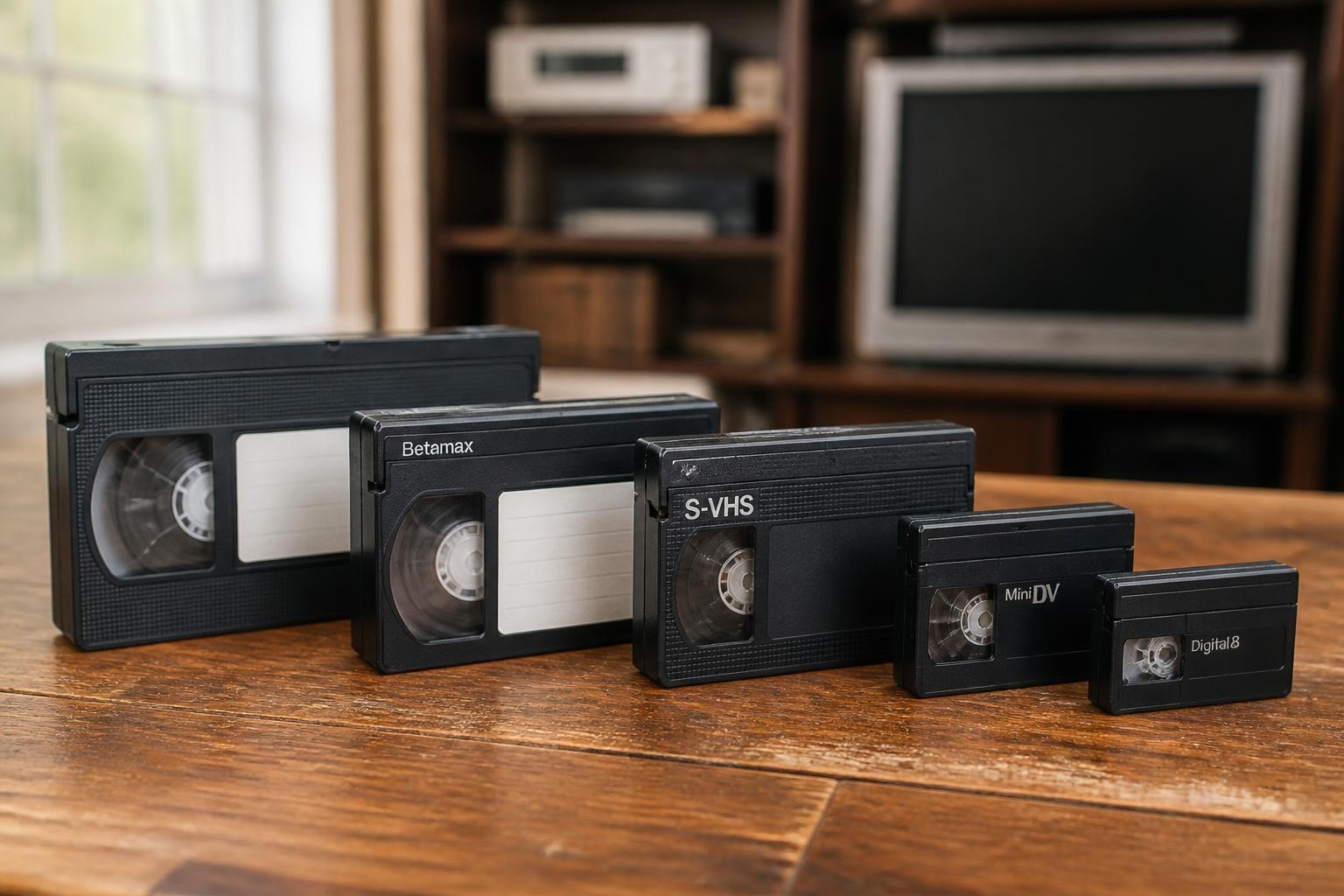
| Compact Consumer | MiniDV, Digital8, Hi8, Video8 | Camcorder footage, wedding videos | High |
| Professional Beta | Betacam SP, Betamax, Digital Betacam | Broadcast production, news gathering | Medium |
| Professional Cassette | DVCAM, U-matic | Industrial training, corporate video | Medium |
| Specialty Formats | 8mm film transfer, laserdisc | Niche preservation projects | Low |
S-VHS deck rental remains particularly popular among professional digitization services. S-VHS offered superior quality compared to standard VHS, making it the format of choice for prosumers and small production companies throughout the 1990s. These tapes often contain valuable content requiring specialized playback equipment that maintains the format's enhanced resolution capabilities.
MiniDV and Digital8 Demand Patterns
The Digital8 format exemplifies why rental services prove essential for modern digitization businesses. Sony's Digital8 camcorders recorded DV-quality video onto Hi8 cassettes, creating a hybrid format requiring specific playback equipment. While millions of Digital8 tapes exist in consumer hands, compatible decks disappeared from retail channels over a decade ago.
MiniDV deck rental similarly addresses persistent market demand. The format dominated the prosumer and semi-professional video markets from the late 1990s through the mid-2000s, resulting in extensive tape libraries at wedding videographers, local news stations, and event documentation services. These organizations now seek digitization services, creating steady rental demand for working MiniDV equipment.
Professional VCR Rental Pricing Models
Understanding vcr rental cost structures enables accurate project budgeting and client pricing strategies. Professional rental services typically offer several pricing tiers based on rental duration and equipment specifications.
Standard monthly rental rates range from $99 to $299 depending on format and deck quality. VCR leasing beginning at $99 monthly provides cost-effective access to professional equipment without purchase commitments. Extended rental terms often include discounted rates-a three-month commitment might reduce monthly costs by 15-20%, while six-month agreements can lower rates by 25-30%.
Cost Comparison Across Rental Durations
| Rental Term | Standard Monthly Rate | Discounted Rate | Total Cost | Cost per Month |
|---|---|---|---|---|
| 1 Month | $149 | N/A | $149 | $149 |
| 3 Months | $149 | $129 | $387 | $129 |
| 6 Months | $149 | $109 | $654 | $109 |
| 12 Months | $149 | $99 | $1,188 | $99 |
Beyond base rental fees, professional services include maintenance coverage and technical support. Quality vcr rental providers perform pre-rental calibration, cleaning, and testing. This preparation ensures equipment operates within manufacturer specifications-critical when handling irreplaceable archival materials. The Federal Agencies Digital Guidelines Initiative emphasizes proper equipment calibration as fundamental to preservation-quality digitization.
Additional cost factors include:
- Security deposits: Typically 25-50% of equipment replacement value, refunded upon return
- Shipping and insurance: Two-way shipping costs plus in-transit insurance coverage
- Late return fees: Prorated daily charges if equipment isn't returned on schedule
- Damage coverage: Optional insurance covering accidental damage during rental period
Maintenance and Reliability Considerations
Equipment reliability directly impacts vcr rental value propositions. Professional decks require regular maintenance to function properly, particularly given that all VCR production ceased years ago. The Library of Congress preservation guidance emphasizes that videotape playback equipment condition significantly affects both digitization quality and tape preservation during transfer.
Reputable rental providers implement comprehensive maintenance programs addressing common failure points in aging videotape equipment. Drive belts deteriorate with age, video heads accumulate oxide deposits, and mechanical components require lubrication. Professional maintenance extends equipment lifespan and ensures consistent performance across rental cycles.
Diagnostic Services and Repair Infrastructure
Equipment failures occur despite preventive maintenance. Professional vcr rental services maintain repair capabilities to minimize downtime. When digitization businesses rent VCRs for projects, equipment failures can jeopardize client deliverables and project timelines. Rental agreements should specify response times for equipment replacement if units fail during rental periods.
VCR repair services typically begin with diagnostic evaluations. Standard diagnostic fees around $45 identify specific failures before repair work commences. Common issues include head wear, capstan motor failures, and control circuitry problems. Parts availability increasingly constrains repair options-some components now require salvaging from donor machines rather than new part orders.
Maintenance best practices during rental periods include:
- Regular cleaning: Use manufacturer-approved cleaning cassettes every 10-20 hours of operation
- Proper storage: Maintain equipment in climate-controlled environments between uses
- Gentle handling: Vintage mechanisms lack the durability of modern electronics
- Documentation: Note any performance irregularities for reporting to rental provider
Legal and Privacy Considerations for Rental Services
The vcr rental industry operates under specific legal frameworks established during the format's consumer heyday. The Video Privacy Protection Act of 1988 governs rental transaction records, protecting consumer viewing histories from disclosure. While this legislation primarily addressed video content rentals rather than equipment, professional rental operations maintain customer privacy as standard practice.
Professional digitization businesses using vcr rental services also assume responsibility for client material confidentiality. Archival footage, family videos, and corporate content require secure handling throughout the digitization process. Rental agreements should address equipment data security-some professional decks include internal memory or settings storage that could theoretically retain information from previous sessions.
Equipment Accessibility Through Public Institutions
Interestingly, public libraries have emerged as alternative vcr rental sources for individuals and small businesses. The Burlington Public Library's Library of Things program includes VCRs and digitization equipment available for patron checkout. Similarly, Portage District Library's digitization services provide equipment access for community members preserving personal media.
These library programs demonstrate vcr rental concepts scaled for community access rather than commercial operations. While unsuitable for professional digitization businesses processing high volumes, they illustrate the persistent public need for temporary videotape equipment access.
Technical Specifications for Professional Applications
Professional vcr rental requires understanding technical specifications beyond basic playback functionality. Digitization quality depends on deck capabilities and proper configuration according to National Archives machine-readable media guidance. Superior decks provide manual controls for tracking, video level, and time-base correction-adjustments necessary when handling aged or degraded tapes.
Critical Deck Features for Preservation Work
Time-base correction (TBC) ranks as the most important feature for professional digitization applications. Vintage videotapes exhibit timing errors from age-related deterioration, manufacturing variations, and previous playback damage. TBC circuitry compensates for these errors, producing stable video signals suitable for digital capture. Without TBC, digitized footage displays jitter, color instability, and sync problems.
Manual tracking control enables optimization for individual tape conditions. Consumer VCRs typically employ automatic tracking that works adequately for properly recorded, well-maintained tapes. Professional archival work frequently encounters tapes recorded on misaligned equipment or exhibiting edge damage, curl, or dimensional instability. Manual tracking adjustment recovers playable signals from problem tapes that defeat automatic systems.
| Feature | Consumer Deck | Professional Deck | Importance for Digitization |
|---|---|---|---|
| Time-base Correction | Rare | Standard | Critical |
| Manual Tracking | Basic | Precision | High |
| Audio Level Controls | Automatic | Manual | Medium |
| Multiple Format Support | Single format | Often multi-format | High |
| FireWire/SDI Output | Consumer FireWire | Professional SDI | Medium |
| Service Mode Access | Limited | Full diagnostic | High |
Selecting the Right VCR Rental Provider
Choosing appropriate vcr rental vendors significantly impacts project success rates and operational efficiency. Evaluation criteria extend beyond monthly pricing to encompass equipment quality, technical support, and service reliability.
Equipment inventory breadth determines whether a single provider can meet diverse format requirements. Digitization shops benefit from establishing relationships with vendors stocking comprehensive format coverage-different videotape formats require specific playback equipment, and format identification sometimes proves challenging until attempting playback.
Service Level Agreements and Support Infrastructure
Technical support availability distinguishes professional vcr rental services from equipment-only providers. Digitization challenges often require consultation about optimal settings, tape condition assessment, and format identification. Providers offering phone or email support help rental customers resolve issues without project delays.
Evaluation checklist for rental providers:
- Equipment condition and maintenance documentation
- Available formats and deck model specifications
- Rental term flexibility and pricing transparency
- Shipping methods and insurance coverage
- Technical support hours and contact methods
- Equipment replacement policies for rental-period failures
- Customer references from similar applications
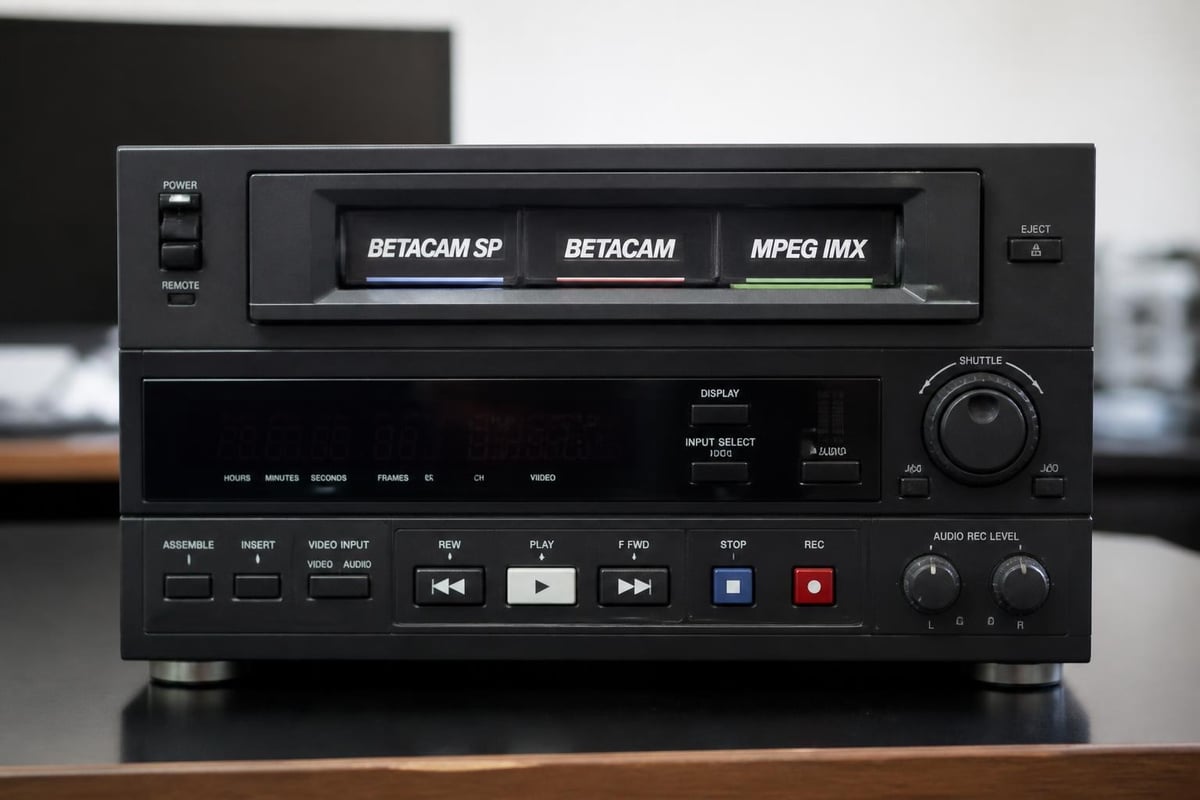
The VCR Supply equipment catalog illustrates professional-grade inventory breadth. Specialized decks like the Sony GV-D200 Digital8/Hi8 player and JVC SR-VS30U S-VHS deck address specific format requirements beyond basic VHS playback.
Integration with Digitization Workflows
Efficient vcr rental utilization requires integration with broader digitization workflows. Professional operations optimize equipment usage through project batching, format grouping, and systematic processing procedures aligned with A/V conservation best practices.
Workflow optimization strategies include:
- Format batching: Group client projects by tape format to minimize equipment changes
- Concurrent processing: Rent multiple decks for parallel processing of high-volume projects
- Quality control checkpoints: Implement systematic review processes before tape returns
- Metadata capture: Document technical details during transfer for archival records
Short-term vcr rental makes particular sense for format-specific projects. A digitization shop receiving 50 Betamax tapes for a corporate archive project might rent a Betamax deck for two months, complete the project efficiently, and return the equipment rather than maintaining rarely-needed capabilities year-round.
Calculating Rental Break-Even Points
Project volume determines whether vcr rental or equipment purchase makes financial sense. Break-even analysis compares total rental costs against purchase price plus estimated maintenance expenses over the equipment's remaining useful life.
Example calculation for S-VHS digitization:
- Professional S-VHS deck purchase price: $1,800
- Expected maintenance costs (3 years): $600
- Total ownership cost: $2,400
- Monthly rental rate: $129
- Break-even rental period: 18.6 months
This analysis suggests that businesses processing S-VHS tapes continuously for more than 19 months should consider purchasing rather than renting. However, intermittent demand changes the equation-a shop digitizing S-VHS projects only 4 months yearly pays $516 annually in rental fees versus $2,400 in purchase plus maintenance costs.
Industry Trends Affecting VCR Rental Demand
The vcr rental market faces interesting dynamics as analog media preservation accelerates while equipment availability declines. Understanding these trends helps digitization businesses plan long-term strategies and client service capabilities.
Increasing tape deterioration urgency drives digitization demand upward. Magnetic tape degrades over time through binder hydrolysis, magnetic particle deterioration, and substrate degradation. Tapes recorded in the 1980s and 1990s now approach or exceed expected shelf life, creating urgency among archives and individuals seeking preservation before content becomes unrecoverable.
Simultaneously, equipment scarcity intensifies as working decks fail without replacement options. VCR production ended globally over a decade ago, and the remaining equipment pool shrinks annually through attrition. This scarcity makes vcr rental increasingly valuable-fewer individuals and organizations maintain personal equipment inventories, driving commercial rental demand.
Cultural Nostalgia and Format Revival
Contemporary VHS nostalgia influences the rental market in unexpected ways. Artists, filmmakers, and content creators deliberately seek analog aesthetics, requiring working VCRs for production rather than preservation. This creative demand supplements traditional digitization applications, broadening the market for professional vcr rental services.
Emerging market segments include:
- Film festivals screening restored analog content requiring period-appropriate presentation
- Museums and cultural institutions creating exhibits around obsolete media formats
- Educational institutions teaching media history with hands-on vintage equipment
- Production companies adding authentic analog effects to contemporary projects
Building Client Relationships Around Equipment Access
Digitization businesses leveraging vcr rental capabilities should communicate equipment access as a service differentiator. Many potential clients assume digitization shops own all necessary equipment, but transparency about rental partnerships can actually strengthen customer confidence by demonstrating commitment to format coverage without excessive overhead costs.
Client communication strategies emphasize capabilities over ownership:
- "We maintain access to professional decks across 15+ formats"
- "Our rental partnerships ensure you receive calibrated, maintained equipment for every project"
- "We scale equipment resources to match your project requirements efficiently"
Project estimates should reflect realistic timelines accounting for equipment availability. When clients request rush digitization for uncommon formats, clear communication about equipment procurement timelines prevents disappointment and maintains professional credibility. A two-day equipment delivery window communicated upfront exceeds expectations compared to promising immediate turnaround and failing to deliver.
Equipment Care During Rental Periods
Proper equipment handling during vcr rental periods protects both the rented equipment and valuable client media. Professional digitization operations implement systematic procedures ensuring consistent, careful equipment use throughout rental terms.
Daily operational procedures include:
- Visual inspection before each session for obvious damage or irregularities
- Test playback with expendable tape before handling irreplaceable materials
- Cleaning after every 4-6 hours of operation using approved methods
- Documentation of operating hours for maintenance scheduling
- Immediate reporting of unusual sounds, smells, or performance issues
Environmental conditions significantly impact both videotape and VCR performance. Operating temperature should remain between 65-75°F with relative humidity of 40-50%. These conditions prevent tape dimensional changes during playback and protect delicate mechanical components from thermal stress.
Handling Tape Emergencies
Despite precautions, tape-related problems occasionally occur during digitization. Common issues include tape breaks, jams, and shedding. Response procedures balance equipment protection with tape preservation:
- Immediately stop playback at first sign of problems
- Do not attempt forced extraction of jammed tapes
- Photograph the situation for documentation
- Contact rental provider for guidance before proceeding
- Document incident details for client communication
These procedures protect rental equipment from damage while preserving client relationships through transparent problem communication.
Professional vcr rental delivers essential format coverage for digitization businesses without the capital expense and maintenance burden of comprehensive equipment ownership. Whether you need short-term access for a specific project or ongoing rental arrangements for regular format requirements, VCR Supply provides professional videotape decks with maintenance support and flexible rental terms. Explore VCR Supply's rental options starting at $99 monthly to expand your digitization capabilities efficiently and serve clients across the full spectrum of legacy video formats.